10 Reasons to Move to Chicago
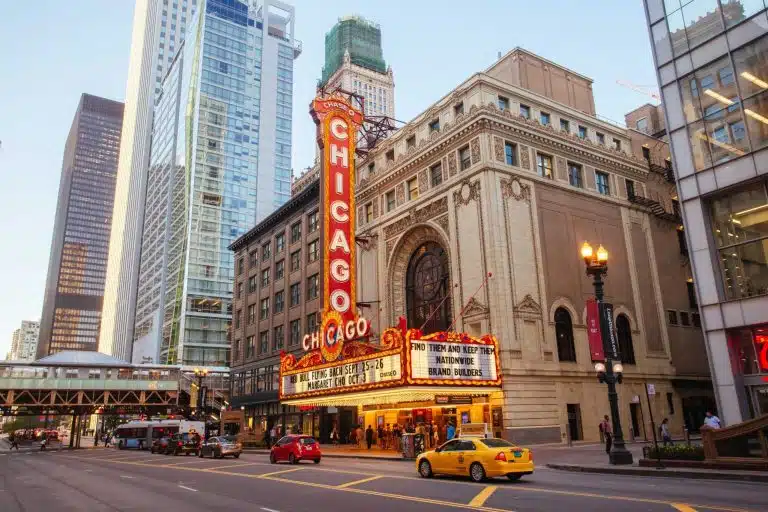
Chicago is one of those cities that surprises people. It’s often misunderstood from the outside, yet deeply loved by the people who actually live there. With world-class culture, diverse neighborhoods, strong job opportunities, and a cost of living that’s far more reasonable than other major U.S. cities, there are plenty of reasons to move to Chicago — and most of them only become clear once you’ve spent real time here.
If you’re considering a move and wondering why is Chicago a good place to live, this guide breaks down the real benefits that matter once the boxes are unpacked and daily life begins. These aren’t just surface-level perks — they’re practical, lifestyle-driven reasons to move to Illinois and to Chicago specifically.
1. A Cost of Living That Actually Makes Sense
One of the biggest reasons to live in Chicago is the price tag — or rather, the lack of one compared to peer cities. Housing, groceries, and transportation are significantly more affordable than New York, San Francisco, Los Angeles, or Boston. A one-bedroom apartment in a desirable neighborhood like Lincoln Park or Lakeview typically runs $1,400–$2,000/month — a fraction of what you’d pay for comparable quality in Manhattan or the Bay Area.
Illinois does have a state income tax (4.95% flat rate), but there’s no city income tax. When you combine lower rent, reasonable groceries, and solid public transit, your dollar stretches further in Chicago than in almost any other major U.S. metro.
2. A Strong and Diverse Job Market
Why do people move to Chicago? For many, it starts with a job. Chicago is home to over 30 Fortune 500 company headquarters — including Boeing, McDonald’s, Abbott Laboratories, and Walgreens Boots Alliance. The city’s economy spans finance, healthcare, tech, manufacturing, logistics, and professional services, giving it a diversified base that weathers downturns better than single-industry metros.
The tech sector in particular has grown rapidly, with companies like Google, Salesforce, and Grubhub maintaining major Chicago offices. For remote workers, Chicago offers big-city amenities at a fraction of coastal living costs — a combination that’s increasingly hard to find.
3. Neighborhoods With Real Character
Chicago is a city of 77 officially designated community areas, each with its own identity. This isn’t like cities where neighborhoods blend together — in Chicago, crossing a few blocks can feel like entering a different town entirely.
✔ Lincoln Park: Tree-lined streets, young professionals, walkable to the lakefront and zoo.
✔ Wicker Park / Bucktown: Indie shops, coffee culture, the 606 Trail, and some of the city’s best restaurants.
✔ Logan Square: A blend of longtime residents and newer arrivals, with excellent bars and a strong community feel.
✔ Hyde Park: Home to the University of Chicago, the Museum of Science and Industry, and a quieter South Side pace.
✔ Pilsen: One of the city’s most vibrant cultural districts — murals, galleries, and authentic Mexican cuisine on every block.
The neighborhood you choose shapes your entire experience. Spend time exploring before you commit to a lease — what works for a young professional is very different from what works for a family with school-age kids.
4. World-Class Food — From Deep Dish to Michelin Stars
With over 5,000 restaurants, Chicago’s food scene reflects its multicultural population and deep culinary roots. This city doesn’t just do deep-dish pizza — though Giordano’s and Lou Malnati’s are worth every visit. Chicago is home to 20+ Michelin-starred restaurants, including Alinea (three stars) and Smyth, alongside thousands of neighborhood joints that are just as memorable.
What makes Chicago’s food culture special is the range. You can get world-class dim sum in Chinatown, authentic birria tacos in Pilsen, Italian beef sandwiches from a walk-up window on the West Side, and a $300 tasting menu on the Near North Side — all in the same afternoon. For anyone who considers food a quality-of-life factor, this alone is one of the strongest reasons to go to Chicago.
5. 26 Miles of Public Lakefront
Lake Michigan gives Chicago something most major cities can’t offer: 26 miles of public, open lakefront — beaches, running paths, bike trails, parks, and harbors, all free and accessible to everyone. The Lakefront Trail alone connects neighborhoods from Edgewater to South Shore, making it one of the best urban outdoor spaces in the country.
In summer, the lakefront transforms into the city’s living room — volleyball leagues, kayaking, outdoor concerts at Pritzker Pavilion in Millennium Park, and weekend picnics at North Avenue Beach. It’s one of the things residents consistently cite when asked why live in Chicago despite the winters.
6. A Cultural Scene That Punches Above Its Weight
Chicago’s cultural institutions rival anything in New York or London. The Art Institute of Chicago is consistently ranked among the best museums in the world. The Field Museum, Shedd Aquarium, and Museum of Science and Industry are all within a short distance of each other on the lakefront.
The performing arts scene is equally strong. Chicago is the birthplace of modern improv comedy — Second City launched careers for Tina Fey, Steve Carell, and dozens of others. The Chicago Shakespeare Theater on Navy Pier, the Steppenwolf Theatre, and a thriving independent scene mean there’s something playing every night. Monthly events like 2nd Fridays Gallery Night in the Pilsen Arts District keep the creative energy alive year-round.
For anyone weighing why should I move to Chicago, the depth and accessibility of the cultural scene is hard to match anywhere in the country at this price point.
7. Reliable Public Transportation
Chicago’s “L” train system and extensive bus network make it one of the few truly car-optional cities in the Midwest. The CTA (Chicago Transit Authority) operates eight rail lines and over 100 bus routes, covering most of the city and connecting to both O’Hare and Midway airports.
Many residents — especially in neighborhoods like the Loop, Lakeview, Wicker Park, and Logan Square — live comfortably without a car. Between the L, Divvy bike-share, and rideshare apps, the city is built for getting around without the cost of car payments, insurance, and parking. That’s a real financial advantage for newcomers.
8. Sports Culture That Runs Deep
Chicago is a city that breathes sports. With teams in every major league, the energy at live games is part of the city’s identity.
✔ Chicago Cubs at Wrigley Field — one of baseball’s most iconic ballparks
✔ Chicago White Sox at Guaranteed Rate Field — the South Side rivalry is real
✔ Chicago Bears, Bulls, and Blackhawks — football, basketball, and hockey year-round
✔ Chicago Fire FC — a growing MLS presence
Even if you’re not a die-hard fan, the game-day atmosphere in neighborhoods like Wrigleyville or around the United Center is worth experiencing. Sports are a social glue in Chicago — they give newcomers an instant way to connect.
9. The Seasons Are a Feature, Not a Bug
Yes, Chicago winters are cold. That’s not a secret, and there’s no point pretending otherwise. But Chicagoans will tell you the winters make the other three seasons more rewarding. Spring feels earned. Summer is electric — outdoor festivals, beach days, rooftop bars, and neighborhood block parties from June through September. Fall brings crisp weather, stunning foliage along the lake, and football season.
And the winters themselves aren’t idle. The Garfield Park Conservatory offers a warm, tropical escape with thousands of plants across eight indoor rooms — open to the public for free. The city’s speakeasy scene thrives in winter, with hidden bars like The Green Mill Cocktail Lounge (with its Al Capone history) and The Violet Hour offering cozy escapes. The city doesn’t shut down — it adapts.
10. A City That’s Easy to Call Home
There’s something about Chicago that inspires loyalty. People who move here tend to stay — and they tend to become fierce advocates for the city. That’s not accidental. Chicago has the infrastructure and amenities of a global city without the attitude or inaccessibility that can make other metros feel isolating.
Neighborhoods feel like actual communities. People know their baristas, their neighbors, their local bartenders. There’s a warmth and directness to the culture that helps newcomers feel settled faster than in more transient cities. Whether you’re moving for a career, a relationship, a fresh start, or just because you want to experience something different — Chicago tends to deliver.
Planning Your Move to Chicago
If you’re seriously considering why move to Chicago, the practical side matters just as much as the lifestyle appeal. Chicago’s rental market moves fast — especially in popular neighborhoods during the spring and summer turnover season. Having a plan before you arrive gives you a significant advantage.
For reasons to visit Chicago before committing to a lease, spend a long weekend exploring 2–3 target neighborhoods on foot. Ride the L. Eat at neighborhood spots, not just downtown tourist restaurants. Talk to people. The vibe on the ground is different from what you’ll read online — and it’s almost always better.
When you’re ready to make it official, Poseidon Moving and Storage is here to simplify your transition. We’re a licensed interstate carrier — we own our trucks, employ our crews, and handle your move to Chicago from start to finish.
Ready to make the move? Request a free quote today and let us help you start your new chapter in Chicago.