How to Save Money When Moving
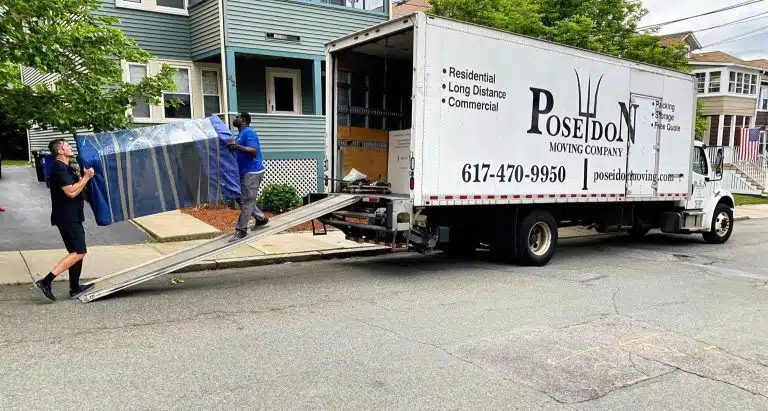
Moving can get expensive fast, but learning how to save money when moving doesn’t mean sacrificing the quality of your move. The biggest savings usually come from timing, reducing what you move, and confirming pricing details in writing before you book.
Beyond just looking for discounts, you can time your move strategically, negotiate pricing, declutter to reduce costs, and take advantage of savings opportunities that most people overlook. One commonly missed option is truck sharing, which allows local movers to split transportation costs with a neighbor or roommate, and for long distance moves, to share space in a truck heading to the same region.
From choosing the right move date to maximizing storage savings and employer reimbursements, here are seven practical ways to cut moving costs.
What Makes Moving So Expensive?
Before cutting costs, it’s important to understand what movers actually charge for. Most moving quotes are based on:
✔ Distance (local vs long distance)
✔ Weight or volume of your belongings
✔ Labor hours (number of movers multiplied by time)
✔ Season and demand
✔ Access challenges (stairs, elevators, long carries)
✔ Extra services (packing, storage, specialty items)
The fewer items you move and the more flexible your timing, the cheaper your move will be.
1. Move at the Cheapest Time
Most people don’t realize that the timing of their move can significantly impact their total costs. Movers charge more during peak seasons, weekends, and end-of-month periods due to high demand. By choosing an off-peak time, you can save hundreds of dollars simply by adjusting your moving date. Moving during a high-demand period also means limited availability, rushed service, and fewer opportunities to negotiate a better deal.
Cheapest Times to Move
✔ Best months: October through April (off-peak season, lower demand)
✔ Best days: Monday through Thursday (weekends are busiest and most expensive)
✔ Best time of month: Mid-month (7th through 20th) to avoid end-of-month price surges
Most Expensive Times to Move
✗ Summer (May through September)
✗ Weekends and holidays
✗ End of the month (especially the last 3 to 4 days)
Booking your move at least 1 to 2 months in advance can help lock in the best rates. Movers often offer discounted rates during slow periods, and being flexible with your dates gives you more negotiating power.
Another smart way to save on moving costs is through truck sharing. If you’re moving locally and know a neighbor or roommate moving within the same timeframe, you can split truck travel time to save on mileage and labor. For cross country moves, some moving companies offer shared truck space, meaning your belongings travel alongside another customer’s shipment in the same direction, significantly reducing costs.
✔ Best deal combo: A mid-week, mid-month move in winter gives you the lowest rates. If you’re moving interstate, ask your mover about truck sharing options to save even more on transportation.
2. Declutter Before You Move
Moving companies charge based on weight and volume, meaning the fewer items you move, the cheaper your moving quote will be. Many people don’t realize that even cutting down a few hundred pounds of furniture and household items can result in significant savings on both local and long distance moves. Decluttering also makes the packing and unpacking process faster and more efficient.
How to Declutter Before Moving
✔ Sell unwanted furniture and appliances on Facebook Marketplace, Craigslist, or OfferUp to make extra cash
✔ Donate to charities like Goodwill or The Salvation Army for a potential tax deduction
✔ Recycle electronics and old items responsibly to avoid disposal fees
By eliminating 500 lbs of excess items or reducing the number of oversized furniture pieces, you could save $200 to $500 on long distance moves. For local moves, reducing the number of boxes and furniture pieces cuts down on the labor hours needed, lowering your final bill.
✔ Storage reality check: Storage fees add up fast. If you plan to store items, ask yourself if they’re worth the monthly cost or if it’s better to sell and repurchase later.
3. Decide Whether to Move Furniture or Buy New
Whether it’s cheaper to move furniture or buy new depends on the value, size, and weight of each item, as well as the distance of your move. For long distance moves especially, furniture can significantly increase your moving costs because movers charge based on weight, volume, and labor time. Many people automatically move everything without realizing that transporting certain items can cost nearly as much as replacing them.
When Buying New Is Usually Cheaper
Buying new furniture often makes more financial sense for low-value, flat-pack, or heavily used items, especially on long distance moves. Items like inexpensive dressers, particleboard furniture, mattresses, or aging couches may cost hundreds of dollars to move while costing less to replace after you arrive. Selling these items before moving and rebuying later can reduce both transportation costs and labor time.
When Moving Furniture Is the Better Option
Moving furniture is usually cheaper when the items are high-quality, expensive to replace, or difficult to find again. Solid wood furniture, specialty pieces, dining tables, and high-end sofas often cost far less to move than to replace. In these cases, paying to transport them preserves value and avoids the higher cost of buying new.
4. Choose Between a DIY Move and Hiring Movers
A DIY move is usually cheaper for small, local moves with minimal furniture, since costs are limited to a truck rental, fuel, packing supplies, and your own labor. This option works best when you’re moving a studio or small apartment and don’t have many heavy or bulky items. However, DIY costs can rise quickly for longer distances once fuel, mileage fees, and extra days of truck rental are factored in.
Hiring professional movers typically costs more upfront but often provides better value for larger homes or long distance moves. Movers include labor, equipment, and basic insurance, which reduces the risk of damage and delays. For many people, a hybrid move, packing belongings yourself while hiring movers for loading, transportation, and unloading, offers the best balance between saving money and avoiding unnecessary stress.
✔ Hybrid move tip: Pack your own boxes to save on packing fees, then let professionals handle loading, transport, and unloading. You get the cost savings of DIY with the efficiency and protection of professional movers.
5. Negotiate Your Moving Quote
Many people assume that moving company quotes are fixed prices, but that’s not always the case. Many movers, especially reputable companies, are open to price matching competitors or offering discounts if you ask. Being proactive and knowing what to look for can save you money upfront.
When comparing quotes, it’s essential to understand whether you’re receiving a binding estimate or a non-binding estimate. A binding estimate guarantees the total cost based on the inventory and services outlined in your contract, meaning you won’t be surprised by unexpected charges on moving day. A non-binding estimate may fluctuate depending on the final weight, volume, or additional services required. If negotiating, request a binding estimate whenever possible to lock in your price and avoid hidden fees.
How to Get the Best Deal
1. Get at least 3 quotes from different moving companies
2. Ask about price matching (some movers will match a quote from other licensed and reputable companies)
3. Watch for hidden fees like fuel surcharges, stair fees, and long-carry charges that may apply if move conditions differ from your contract
✔ Don’t forget to ask: Many movers offer discounts for military personnel, students, and seniors. These aren’t always advertised, so bring it up during the quoting process.
6. Use Tax Benefits and Employer Reimbursements
Most people assume moving expenses are tax-deductible, but federal deductions are now very limited. Currently, only active-duty military members moving under orders can deduct moving expenses at the federal level. However, that doesn’t mean moving costs are never reimbursable or deductible.
If you’re moving for work, the biggest savings often come from employer relocation benefits, not tax write-offs. Many companies reimburse part or all of moving costs, including transportation, packing, temporary storage, or short-term housing. Some states also allow limited moving-expense deductions, so it’s worth checking local rules.
What Moving Costs Might Be Deductible or Reimbursable
✔ Moving truck rental and fuel costs
✔ Storage fees (if required due to job relocation)
✔ Packing materials and supplies
✔ Keep your receipts: Even if you don’t qualify for tax deductions, some employers offer partial reimbursement for relocation expenses. Proper documentation gives you the option to submit for coverage after the fact.
7. Avoid Overpaying for Short-Term Storage
When your move-out and move-in dates don’t align, short-term storage can quickly become one of the most expensive parts of a move. The key to saving money is avoiding traditional storage units unless they’re absolutely necessary, since monthly rates, access fees, and long-term contracts add up fast.
One of the cheapest options is using storage through your moving company, especially for long distance moves. Many movers include temporary storage at no additional cost or offer discounted short-term storage when your belongings are already in transit. This can eliminate double handling fees and reduce overall labor costs. If you need storage for only a few weeks, portable storage containers can also be more affordable than a traditional unit.
Where to Find Cheap or Free Storage
✔ Ask friends or family with extra garage or basement space
✔ Moving companies often offer 30 days of free storage for long distance moves
✔ First-month-free deals at storage units (check second-month pricing before committing)
✔ Colleges offer storage discounts for students moving between dorms
✔ Pod tip: If you’re using a moving pod, check if storing the pod in your driveway is cheaper than renting a separate storage unit. It usually is.
Your Budget-Friendly Moving Plan Made Easy
Cutting moving costs doesn’t have to mean sacrificing quality. By choosing the right timing, decluttering, negotiating prices, maximizing employer reimbursements, and finding low-cost storage, you can make your move far more affordable without unnecessary stress. Truck sharing options for long distance moves can also reduce transportation costs, making them a smart choice for budget-conscious movers.
Ready to see what your move will cost? Get a personalized moving quote from Poseidon Moving today and start saving.