Car Transportation Options for Your Move
Relocating can be stressful, especially when it comes to transporting your car. Whether you are moving one state over or cross-country, finding the right way to move your vehicle safely and efficiently matters. With several car transportation options available, it helps to understand the choices before you decide what works best for your needs, budget, and timeline.
This guide walks through the three car transportation options, their pros and cons, what each one costs, and how to choose, plus how vehicle transport works when you book it alongside your household move with Poseidon Moving.
Things to Know About Car Transportation Services
Car transportation can feel overwhelming if you have never dealt with it before. Professional services are designed to make the process hassle-free, with your vehicle arriving safely at its destination. Three things shape the choice before you look at the options:
- Distance and location. How far the car is going changes both the cost and the method. Shorter moves leave more room to drive or tow it yourself, while a long-distance move usually calls for a professional carrier.
- Budget. Car transport costs vary with the type of service, the distance, and factors such as the size and value of your vehicle.
- Vehicle condition. High-value or luxury cars may need specialized transport for added protection, while standard vehicles can usually take the more affordable option.
Your Options for Car Transportation
These are the three most common methods for car transport, each suited to different needs, budgets, and circumstances. The sections below go through each one.
| Option | What It Costs | Protection | Best For |
|---|---|---|---|
| Self-transport | Fuel, lodging, and wear, or a trailer rental | Only what you provide | Short moves; experienced towers |
| Open carrier | The lowest professional rate | Standard; exposed to weather | Most vehicles and budgets |
| Enclosed trailer | 30% to 50% more than open carrier | Maximum; fully covered | Luxury, vintage, and high-value cars |
1. Self-Transport: Drive It or Tow It
For those looking to save on costs or keep control over their vehicle, self-transport can seem attractive. It means driving the car yourself or renting a trailer and towing it behind a truck.
Advantages of self-transport:
- Cost savings. You skip the professional service fee.
- Complete control. You set the timeline and the route, and the car is in your hands the whole way.
Disadvantages of self-transport:
- Physical strain. Long drives are tiring and need careful planning for fuel, food, and rest stops.
- Wear and tear. A long drive adds wear to the car and brings its next service closer.
- Risk on the road. Unfamiliar roads and weather add risk, and your household move is happening at the same time.
- Rental costs. Renting a trailer, plus the truck to pull it and the fuel it burns, often makes this option less economical than expected.
Best for: short-distance moves, or people with experience towing vehicles.
2. Open Carrier Transport
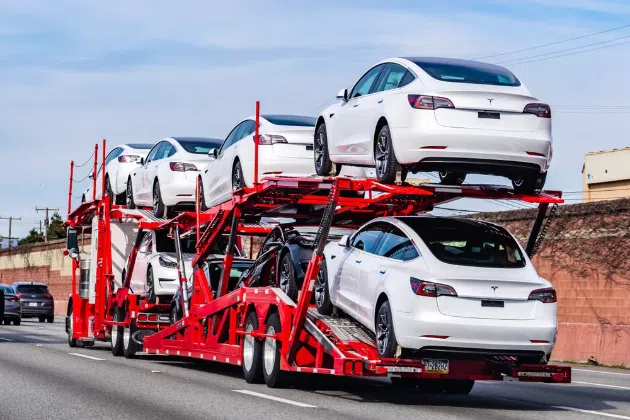
Open carrier transport is the most common and most affordable option for car transportation. Your vehicle is loaded onto a multi-car carrier and travels with other vehicles to its destination.
Advantages of open carrier transport:
- Affordability. Open carriers are generally the cheapest professional option.
- Availability. Open carriers run everywhere, so they are easier to book, even on short notice.
- Efficiency. Several cars travel at once, which keeps the cost down and the schedule moving.
Disadvantages of open carrier transport:
- Exposure to the elements. Vehicles ride in the open, so weather, dirt, and road debris can leave minor wear or a car that needs a wash on arrival.
- Limited protection. Generally safe, but not ideal for high-value or luxury cars because of the open structure.
Best for: standard vehicles, and anyone who puts affordability ahead of extra protection.
3. Enclosed Trailer Transport
Enclosed trailer transport offers the highest level of safety and protection. Your car travels inside a fully enclosed trailer, shielded from the elements and from road damage.
Advantages of enclosed trailer transport:
- Maximum protection. The vehicle is fully protected from weather, dirt, and debris.
- Specialized care. The right choice for luxury, vintage, and high-value cars that need extra attention, including low-clearance cars that load on a lift gate rather than ramps.
- Peace of mind. Enclosed trailers add security, which lowers the risk of damage or theft in transit.
Disadvantages of enclosed trailer transport:
- Higher cost. This premium service runs 30% to 50% more than open carrier transport.
- Limited availability. Fewer carriers run enclosed trailers, so booking ahead is recommended.
Best for: luxury, vintage, and high-value vehicles that need specialized care during transport.
How to Choose the Right Option for Your Car
The best car transportation method depends on your budget, your vehicle, and the distance of the move. Work through these five steps:
- 1.Assess your needs. Is the car a standard model, a luxury vehicle, or a vintage classic? Are you moving a short distance or across the country? Does it run?
- 2.Set the budget. For the lowest cost, open carrier transport or self-transport works best. If protection is the priority, enclosed trailer transport is worth the premium.
- 3.Check the carrier. Look for proper licensing for interstate vehicle transport, cargo insurance that covers the car in transit, and transparent pricing. Ask how damage claims are handled before you book.
- 4.Compare quotes on the same terms. Open or enclosed, door-to-door or terminal, firm dates or a flexible window: a lower quote often comes with a looser pickup window, so compare like with like and factor in extras such as expedited pickup.
- 5.Book in advance. Secure the booking early to avoid higher rates in the peak summer season and to line the car up with your household move. Our moving checklist puts the vehicle on the same timeline as everything else.
How Much Does Car Transport Cost?
Car transport is priced per vehicle, and six things move the number:
- Distance. The farther the car travels, the higher the total, though the rate per day on the road drops on longer trips.
- Open or enclosed. Enclosed transport adds 30% to 50% to the open carrier rate.
- Vehicle size and weight. A full-size SUV or pickup takes more room on the carrier than a sedan and is priced accordingly.
- Running or not. A car that does not start needs a winch to load and costs more.
- Season. Summer and the snowbird months (fall going south, spring going north) are the busiest and the most expensive.
- Flexibility. A pickup window of a few days costs less than a fixed date; expedited pickup costs more.
As a rough guide, open carrier transport between two mainland states usually lands between $600 and $1,800, with coast to coast at the top of that range; enclosed transport adds the premium above. The exact figure depends on the route and the dates, which is why every quote is built for the specific car and move.
Why Choose Poseidon Moving for Car Transport?
At Poseidon Moving, we know how important your car is. When you book an interstate move with us, your vehicle can travel on the same timeline through our network of car carriers nationwide, open or enclosed, in any of the 48 contiguous states. Here is what that means for you:
- One move, one coordinator. Your household goods and your car are scheduled together, with one point of contact for both from the quote through delivery.
- Licensed and insured carriers. Every carrier in the network is licensed for interstate vehicle transport and carries cargo insurance, so your car is covered in transit.
- Open or enclosed. Both options come through the network, quoted side by side so you can see the difference before you choose.
- Door-to-door service. The car is picked up at your address and delivered to the new one, or to the nearest spot a car carrier can safely reach if the street is too tight for a large truck.
- A written quote before anything is booked. The car transport price sits next to your moving estimate, with the pickup window and the delivery window spelled out.
Ready to Ship Your Car?
Transporting your car does not have to be stressful. Understand the options, pick the one that fits the vehicle and the budget, and plan ahead. Whether you choose the affordability of an open carrier, the protection of an enclosed trailer, or the hands-on route of driving it yourself, the decision is easier when it is made alongside the rest of the move.
Tell us the vehicle, the pickup and delivery addresses, and your dates, and we will come back with a quote for the car and the household move together.
Frequently Asked Questions
Get matched with Poseidon Moving in your area. Click your state for personalized moving services and estimates.