Moving to Florida: Cost, Cities & What to Expect
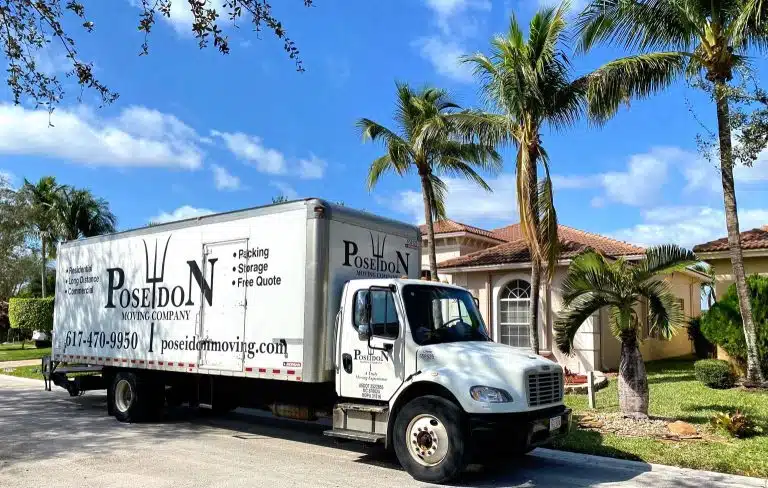
Florida is the third-most-populous state in the country, with nearly 23 million residents — and it’s still growing. Between the no-state-income-tax advantage, year-round warm weather, and a job market driven by tourism, healthcare, aerospace, and a rapidly expanding tech sector, the state continues to attract everyone from young professionals and families to retirees and remote workers.
It’s not all sunshine. Florida’s homeowners’ insurance premiums are the highest in the nation — roughly three times the national average. Hurricane season runs six months of the year, the housing market has softened in parts of the state, and public transportation outside of Miami is limited at best. Moving to Florida is a decision that looks very different depending on which city you choose, what stage of life you’re in, and how much you’re willing to spend on insurance.
This guide covers everything you need to evaluate that decision — housing costs by metro, the real state of the job market, what to expect from the tax and insurance landscape, and the interstate moving logistics that make a Florida relocation unique.
Pros of Moving to Florida
✔ No State Income Tax: Florida is one of nine states with no personal income tax — and unlike some others, it also doesn’t tax Social Security, retirement income, pensions, or investment gains. For a household earning $150,000, that’s a savings of $5,000–$10,000+ compared to states like California, New York, or Massachusetts.
✔ Booming and Diverse Economy: Florida’s GDP exceeds $1.6 trillion, ranking it 4th nationally. The state leads in tourism (145+ million visitors in 2024), aerospace (SpaceX, Lockheed Martin, L3Harris on the Space Coast), healthcare (HCA, AdventHealth, Mayo Clinic Jacksonville), and an emerging fintech/tech corridor in Miami and Tampa.
✔ Year-Round Warm Climate: Florida averages 230+ sunny days per year. Winters in South Florida average 65–75°F, and even North Florida stays mild compared to the Northeast and Midwest. It’s a lifestyle built around outdoor living — beaches, golf, boating, fishing, and parks year-round.
✔ 825 Miles of Coastline: Florida has the longest coastline in the contiguous U.S. From the Gulf Coast beaches of Clearwater and Siesta Key to the Atlantic shores of Palm Beach and the Everglades, the state’s natural assets are unmatched for outdoor recreation.
✔ Affordable Compared to Other Growth States: While Miami and Naples are expensive, much of Florida remains affordable. Cities like Jacksonville, Lakeland, and the Tampa suburbs offer median home prices well below $400,000 and rents under $1,800/month — significantly cheaper than comparable metros in California, New York, or Massachusetts.
Cons of Moving to Florida
✘ Highest Homeowners’ Insurance in the Nation: Florida homeowners pay roughly 3x the national average for property insurance — an average of $4,200–$6,000+ per year, driven by hurricane exposure and a volatile insurance market. Several major carriers have exited the state. For condo owners, new structural inspection and reserve requirements (post-Surfside legislation) are driving up monthly HOA fees with special assessments.
✘ Hurricane Season: June through November brings tropical storms and hurricanes. Florida experiences more hurricane landfalls than any other state. Residents in coastal areas need storm-resistant windows, flood insurance (separate from homeowners’), and an annual hurricane preparedness plan.
✘ Rising Unemployment: Florida’s seasonally adjusted unemployment rate rose to 4.3% in December 2025 — a post-pandemic high — up from 3.4% a year earlier. While still near the national rate of 4.4%, the trend is worth watching, particularly in sectors like construction and professional services that saw job losses in 2025.
✘ Limited Public Transportation: Outside of Miami’s Metrorail and a handful of bus systems, Florida is car-dependent. Most metro areas lack comprehensive transit. Orlando’s SunRail and Jacksonville’s Skyway serve limited corridors. Budget for car ownership, tolls (Florida has one of the most extensive toll road networks in the country), and higher-than-average auto insurance.
✘ Summer Heat and Humidity: Florida’s summers are oppressive — temperatures regularly hit 90°F+ with 80–90% humidity from June through September. Air conditioning isn’t optional, and electricity bills spike accordingly. The wet season also brings daily afternoon thunderstorms and mosquito season.
Cost of Living in Florida
Florida’s overall cost of living index is 101.4 (MERIC, 2025) — just 1.4% above the national average. That statewide number masks enormous regional variation. Miami and South Florida are expensive by any standard, while Jacksonville, Lakeland, and the Panhandle offer costs at or below the national average.
The statewide median single-family home price was $405,000 in January 2026 (Florida Realtors), down 1.2% year-over-year. The condo and townhouse median was $305,000, down 2.4%. Housing costs range from under $300,000 in inland markets like Lakeland and the Panhandle to over $570,000 in Miami.
Rents in Florida average around $1,900/month statewide. A one-bedroom in Jacksonville averages $1,365, while the same apartment in Miami averages $2,388 and in Tampa around $1,713. Rents have been declining across most Florida metros in 2025–2026, offering relief after years of pandemic-driven spikes.
One important cost advantage: no state income tax saves Florida residents thousands annually — but that savings is partially offset by higher property insurance, higher auto insurance, toll costs, and above-average electricity bills during summer months ($150–$250/month).
Cost of Living Comparison: Florida Metro Areas
Florida’s cost of living varies dramatically by metro. Here’s how the major cities compare:
| Expense Category | Miami | Tampa | Orlando | Jacksonville | National Avg. |
|---|---|---|---|---|---|
| Avg. Rent (1-BR) | $2,388/mo | $1,713/mo | $1,582/mo | $1,365/mo | $1,650/mo |
| Avg. Rent (2-BR) | $2,950/mo | $2,067/mo | $1,912/mo | $1,580/mo | $1,950/mo |
| Median Home Sale Price | $570,000 | $380,000 | $385,000 | $370,000 | $412,500 |
| State Income Tax | 0% (no state income tax) | Varies by state | |||
Sources: RentCafe (Feb 2026), Rent.com (2025), Florida Realtors (Jan 2026), Redfin (Jan 2026). National rent averages from Apartments.com/Zumper.
Housing Market Trends in Florida
Florida’s housing market is entering a new phase of rebalancing in 2026. The statewide median single-family home price was $405,000 in January 2026, down 1.2% year-over-year (Florida Realtors). Closed sales rose 5.9% to 16,298 — a sign that buyers are returning as mortgage rates ease toward 6%. The single-family market has roughly 6.2 months of inventory, near the balanced threshold of 5–6 months.
The condo market is a different story. With 13.2 months of supply statewide and prices down 2.4% year-over-year, condos are firmly in buyer’s market territory. New structural inspection and reserve requirements — enacted after the Champlain Towers collapse in Surfside — are driving up HOA costs and special assessments in older buildings, which has suppressed condo demand in many markets.
Regional variation is significant. Miami-Dade remains the strongest market with a 2.5% unemployment rate and steady demand from domestic and international buyers — the median single-family price there sits at $570,000. Tampa’s Case-Shiller index has posted 13 consecutive months of year-over-year declines, though prices are stabilizing as inventory tightens. Jacksonville’s median has dropped 5.1% from its 2024 peak but affordability is improving. The affordable inland markets — Lakeland, Polk County ($312,000 median), and the Panhandle — continue to attract budget-conscious buyers.
Florida Housing Market at a Glance
| Metric | Florida (Statewide) | Miami | Tampa | Jacksonville |
|---|---|---|---|---|
| Median SF Home Price | $405,000 | $570,000 | $380,000 | $370,000 |
| YoY Price Change | -1.2% | -2.5% | -3.9% (C-S) | -5.1% |
| Days on Market | 82 | — | 55 | 51 |
| SF Inventory (Months) | 6.2 | 6.4 | ~5.0 | 5.1 |
| Condo Inventory (Months) | 13.2 | 13.7 | — | — |
Sources: Florida Realtors (Jan 2026), Redfin (Jan 2026), S&P Case-Shiller (Nov 2025), NEFAR (Jan 2026). Tampa C-S = Case-Shiller 20-city composite YoY. Statewide days on market from Redfin all-home-types.
Job Market and Employment in Florida
Florida’s seasonally adjusted unemployment rate was 4.3% in December 2025, up from 3.4% a year earlier — a post-pandemic high that still sits in line with the 4.4% national rate. Total nonagricultural employment was 10,042,100, with the state adding 40,000 jobs over the year (+0.4%). The strongest sector was education and health services, which added 51,400 jobs (+3.3%).
Florida’s economy is the fourth-largest in the U.S. by GDP, anchored by several distinct employment corridors. Tourism and hospitality remain the backbone — the state welcomed a record 145+ million visitors in 2024, supporting 2.1 million jobs. The Space Coast (Brevard County) is a growing aerospace hub with SpaceX, L3Harris, Blue Origin, and Lockheed Martin. South Florida’s financial services sector has attracted major relocations from Goldman Sachs, Citadel, and other Wall Street firms. Tampa’s tech corridor and Orlando‘s simulation and defense sector are also driving job growth.
Florida’s minimum wage is $13.00/hour as of 2024, with scheduled increases reaching $15.00 by 2026. While salaries generally trail coastal states like California and New York by 10–15%, the tax savings and lower cost of living (outside Miami) often close the gap in take-home pay.
Florida Job Market Overview
| Metric | Florida | National |
|---|---|---|
| Unemployment Rate (Dec 2025) | 4.3% | 4.4% |
| Total Nonfarm Jobs | 10,042,100 | — |
| Minimum Wage (2025) | $13.00/hr → $15.00 by 2026 | $7.25/hr |
| Fastest Growing Sector | Education & Health Services (+3.3% YoY) | — |
| Top Industries | Tourism, Healthcare, Aerospace, Finance, Construction | — |
Sources: Florida Department of Commerce (Dec 2025), BLS (Dec 2025). Minimum wage per FL Amendment 2 (2020).
Education and Schools in Florida
Florida has the third-largest public school system in the U.S., with over 2.8 million K-12 students across 67 county-based school districts. School quality varies widely by district. Top-ranked districts include St. Johns County, Seminole County, Sarasota County, and parts of Orange and Brevard counties. Florida offers robust school choice, including charter schools, magnet programs, virtual schooling, and the state-funded scholarship programs.
For higher education, Florida’s State University System includes 12 public universities, led by nationally recognized programs:
✔ University of Florida (Gainesville) — Ranked among the top 5 public universities in the U.S.
✔ Florida State University (Tallahassee) — R1 research university with strong STEM and business programs
✔ University of Central Florida (Orlando) — One of the largest universities by enrollment in the U.S.
✔ University of South Florida (Tampa) — Strong biomedical and engineering research; AAU member
✔ University of Miami (Coral Gables) — Private research university with nationally ranked medical and law schools
Florida Prepaid and the Florida Bright Futures Scholarship make the state one of the most affordable for in-state college tuition, and the 28-campus Florida College System provides accessible two-year degrees and workforce training statewide.
Resources for Moving to Florida
Florida requires new residents to complete several updates within 30 days of establishing residency. Here are the essential resources:
✔ Transfer Your Driver’s License — Apply within 30 days; Florida does not require a driving test for most out-of-state transfers
✔ Register Your Vehicle — Within 30 days of residency; no annual state vehicle inspection required
✔ Register to Vote — Online registration through the Florida Division of Elections
✔ Set Up Utilities — Florida Power & Light (South FL), Duke Energy (Central FL), Tampa Electric (Tampa Bay), JEA (Jacksonville)
✔ Certificate of Insurance (COI) — Many Florida apartment buildings and HOA communities require a COI from your mover before move-in
How to Prepare for Your Move to Florida
Florida is a long-distance move for most people relocating from the Northeast or Midwest — and the state’s unique insurance and climate considerations add extra planning. Having a solid moving checklist is essential.
1. Book Early — Especially October–April: Florida’s inbound moving season is the reverse of most states. Snowbirds and retirees move in fall and winter, which are peak season. Book your long-distance move at least 6–8 weeks in advance.
2. Budget for Insurance: Get homeowners’ or renters’ insurance quotes before committing to a property. Flood insurance is separate and required in many zones. Florida’s insurance market is volatile — premiums can change significantly at renewal.
3. Expect 5–10 Day Delivery Windows: Cross-country moves from the Northeast to Florida typically take 5–10 days for delivery. Moves from the Midwest are 4–7 days. Get a firm delivery window and plan temporary housing if needed.
4. Climate-Proof Your Belongings: Florida’s humidity can damage wood furniture, electronics, and artwork. If storing items before your new home is ready, use climate-controlled storage. Professional packing protects sensitive items during long transits in warm weather.
5. Establish a Hurricane Plan: Before your first hurricane season, identify your evacuation zone (county emergency management websites), build a supply kit, and understand your insurance coverage. This is non-negotiable for Florida homeowners.
Get a Free Quote for Your Florida Move
Whether you’re heading to a condo in Miami, a house in Tampa, or starting fresh in Jacksonville, Poseidon Moving has the experience and infrastructure to handle your Florida relocation from start to finish — including full-service moving, packing, and long-distance delivery across the country.
Ready to start planning? Request your free moving quote today and let Poseidon Moving handle the logistics of your Florida move.