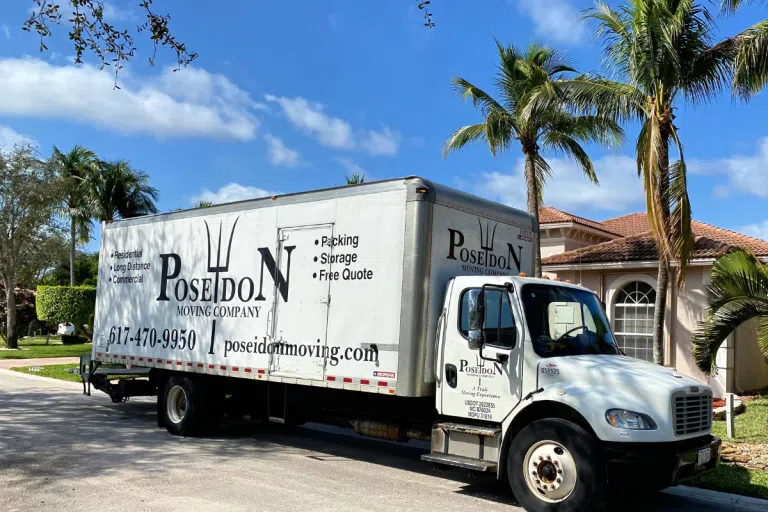
617-470-9950 Toll Free 866-565-1516

Moving in Boston on September 1st

If you have lived in Boston long enough, you already know: September 1st is not just another moving day, it is an event. Known as “Allston Christmas,” it is the day thousands of leases turn over at once, filling the streets with moving trucks, discarded furniture, and tenants trying to get a couch up a third-floor staircase.

The catch is the gap. Most Boston leases end on August 31st and the new ones start on September 1st, so thousands of people are between apartments for 24 hours. Rental trucks double-park on every block, and demand for professional movers in Boston is the highest of the year. If you did not book months ahead, you may be out of options, or paying the top rate tier of the year to secure a crew.

Below is how the day works, what it costs, and how to prepare for it: booking, packing, parking, storage, and what to do when the plan slips.

What Is Moving Day in Boston?

Boston’s Moving Day comes from the academic calendar. With more than 150,000 college students in the Greater Boston area, landlords line leases up with the start of the school year, so most leases in the city end and begin on September 1st. Our college moving services in Boston run on the same calendar, with dorm move-ins and student apartment turnovers stacked into the same few days.

On the day itself, thousands of people load trucks, carry furniture through narrow streets, and compete for sidewalk space. Mattresses strapped to cars, overflowing dumpsters, and vans circling for parking are all part of it, and the congestion is not limited to Boston: Cambridge and Somerville see the same turnover on the same day.

Why Is September 1st So Busy for Moving in Boston?

The crunch comes from three things working together:

  • High student population: the city’s colleges and universities concentrate tens of thousands of leases on the academic calendar.
  • Legacy lease dates: many landlords have kept a September 1st lease start for decades, which keeps the cycle going year after year.
  • Limited housing supply: a tight rental market means apartments turn over quickly, with little room for staggered move-in dates.

The result is the single highest-demand moving day of the year in Boston, for movers, trucks, elevators, and parking spaces alike.

What a September 1st Move Costs in Boston

Demand sets the rate. Poseidon prices local moves by date tier, and September 1st sits in the top tier, Premium-Peak: $300 per hour for two movers and a truck, $400 for three, and $500 for four, with a four-hour minimum on August 31st and September 1st instead of the usual three. A weekday move later in September falls in the Standard tier at $140, $170, and $200 per hour, so shifting the date by even a week can cut the hourly rate by more than half. The full tier table is on our moving rates page.

If you would rather not watch the clock on the busiest day of the year, flat rate movers in Boston can price the move as one written number built from your itemized list, the access at both addresses, and the services you choose, so a slow elevator or a blocked street does not change the bill. For what moves in the city typically cost by home size, see our Boston moving cost guide.

Planning Ahead for Moving Day

The key to surviving Moving Day in Boston is preparation; the earlier you start, the better the day goes.

Book moving services early

Whether you are hiring movers or renting a truck, reserve months in advance. For a September 1st move, book by April or May: crews and trucks for that date are fully committed well before summer, and booking early is what locks in availability.

Confirm times with your landlord

Double-check your move-out and move-in times. The previous tenant’s move-out often overlaps your scheduled move-in, which is where most September 1st delays start. Settle the times in writing well ahead, including the elevator reservation if your building has one.

Build a moving timeline

Outline the weeks before the move: packing dates, the parking permit, utility transfers, and the change of address. Our moving checklist puts each task on the right week so nothing lands on the last day.

Book early: September 1st crews book up fast. Reserve by April or May to lock in your date; the quote form and the Boston number are at the end of this guide.

Packing Smart for Moving Day

Packing well saves hours on the day. Start weeks ahead so everything is boxed before the truck arrives.

  1. 1.Start early: pack non-essentials at least a month out. Seasonal clothing, books, and decor can be boxed well ahead of time.
  2. 2.Pack room by room: finish one room before starting the next, and label every box with its contents and the room it goes to, so unpacking is just as organized.
  3. 3.Protect fragile items: cushion glassware and electronics with packing paper, bubble wrap, or clothing, and mark those boxes so the crew handles them accordingly.

If packing is the part you would rather hand off, our packing services in Boston can pack the day before so September 1st is loading only. Packing yourself? Our guide to moving boxes covers which carton goes with which room, and you can order packing materials delivered before moving day.

Anything that is not coming with you should go before the move, not onto the curb on the day: junk removal in Boston can clear old furniture and boxes the week before, which is cheaper than paying a crew to carry pieces you planned to leave behind.

Securing Parking on Moving Day

The hardest part of September 1st is often the truck’s parking spot. Boston’s narrow streets and strict parking rules make a reserved space the difference between a two-hour load and a four-hour one.

  • Apply for a moving permit: a Boston moving permit reserves two legal spaces in front of your building with official No Parking signs. Apply online 15 days to 8 weeks before the move (the city fee is $69 for two non-metered spaces for one day, $109 metered), post the signs at least 48 hours ahead, and if you would rather not deal with City Hall, we can handle the permit for you for $250 plus the city fee.
  • Use the drop-off zones: from August 31st to September 2nd the city reserves some common moving locations as moving-truck drop-off zones. No permit is needed in those designated zones; everywhere else still needs one.
  • Coordinate with your landlord: ask about loading zones, private lots, or a reserved spot. Some buildings have them for tenants.
  • Arrive early: even with a permit, an early start helps. If someone has parked in your reserved space, the posted signs are what let the police arrange a tow.

Using Storage to Bridge the Gap

When the lease dates do not line up, or the new place needs a few days of work before you move in, storage in Boston takes the pressure off the day. Our crew collects your belongings at the old address, holds them in secure, climate-controlled storage, and delivers them when the new apartment is ready, with one coordinator for both halves of the move.

Storage is priced by the month, based on the cubic feet your belongings take up, so a studio between leases costs far less than a full house, and a short hold is quoted together with the move.

Hiring Professional Movers

Professional movers take the heaviest part of the day off your hands: the lifting, the truck, and the logistics of a building where three other tenants are moving at the same time.

  • Efficiency: a trained crew with the right equipment loads and unloads quickly, even on a staircase with a line behind it.
  • Protection: furniture and appliances are padded and wrapped, and basic valuation coverage of $0.60 per pound per item is included, with Full Value Protection available if you want more.
  • Convenience: with the crew handling the move, your day is keys, paperwork, and the new apartment.

Preparing for the Unexpected

Even with a plan, surprises are part of September 1st. Traffic in dense neighborhoods like Allston, Fenway, and Mission Hill can add an hour to a short drive, so pad the timeline. The weather can bring a heat wave or a downpour, so keep water, tarps, and a dry path for the crew. When a move-out runs late or an elevator is double-booked, the fix is flexibility: a crew that can start with the basement or the garage, and a coordinator who can shift the order of the day.

Settling Into Your New Home

After the whirlwind, the last step is making the new place livable. Clean the kitchen and bathroom first, unpack the essentials box (bedding, toiletries, kitchen basics) before anything else, and leave the decor for the weekend. Then walk the neighborhood: the grocery store, the T stop, the pharmacy, and the laundromat matter more in the first week than anything still in a box.

Making Moving Day Manageable

Moving in Boston on September 1st is hard, but it does not have to be chaos. Book early, pack ahead, reserve the parking space, and let a professional crew handle the heavy part, and the day becomes a long one instead of a bad one.

Ready to lock in your date? Request a free quote or call us at the Boston number with your two addresses and the time your building gives you for the elevator.

Frequently Asked Questions

September 1st is when most Boston leases end and begin, a cycle driven by the city’s large student population and the academic calendar. With more than 150,000 college students in the Greater Boston area and landlords lining lease dates up with the school year, thousands of people move on the same day, which creates the highest demand of the year for movers, trucks, elevators, and parking. Cambridge and Somerville see the same congestion on the same day.
By April or May. September 1st is the highest-demand moving day in Boston and crews are fully committed well before summer, so booking early is what locks in your date. Apply for the parking permit in the same window: the city takes online applications 15 days to 8 weeks before the move.
September 1st is Poseidon’s Premium-Peak tier: $300 per hour for two movers and a truck, $400 for three, and $500 for four, with a four-hour minimum on August 31st and September 1st. A weekday move later in the month is in the Standard tier at $140 to $200 per hour. If you prefer one fixed number, a flat rate can be built from your itemized list and the access at both addresses.
Yes, unless you load in one of the moving-truck drop-off zones the city designates from August 31st to September 2nd. Everywhere else, a moving permit reserves two legal spaces with official No Parking signs: apply online 15 days to 8 weeks ahead, post the signs at least 48 hours before the move, and the police can tow a car that ignores them. We can handle the permit for you for $250 plus the city fee if you would rather skip City Hall.
That is the normal case in Boston, since most leases end on August 31st and the new ones start on September 1st. Storage bridges the gap: the crew collects your belongings at the old address, holds them in secure storage, and delivers them when the new place is ready, with one coordinator for both parts. It is priced by the month based on the cubic feet your belongings take up, and a short hold is quoted together with the move. Confirm move-out and move-in times with both landlords early so the two halves do not overlap.
Read More

Most Popular Moving Destinations in the U.S.

As Americans continue to prioritize affordability and economic opportunity, certain states have emerged as relocation hotspots. This guide covers eight of the best places to move to in the USA in 2026, the most popular destinations for interstate movers, and compares them on the three factors that drive most moving decisions: the cost of living, the job market, and the housing market.

The figures are the latest available as of fall 2026: the MERIC cost of living index for the second quarter of 2026, state unemployment rates from the Bureau of Labor Statistics for September 2026, typical home values from Zillow as of mid-2026, and median one-bedroom rents from Zumper for October 2026.

The Eight States at a Glance

The cost of living index puts the national average at 100, so 90 means roughly 10% cheaper than the country as a whole. Home values are Zillow’s typical value for a mid-range home; the unemployment rates are for September 2026.

StateCost of Living IndexTypical Home ValueUnemployment Rate
South Carolina92.7$308,0004.0%
North Carolina96.7$338,0003.4%
Tennessee89.7$337,0003.4%
Florida100.8$378,0004.4%
Arizona108.6$421,0004.9%
Texas90.8$302,0004.4%
Missouri88.2$268,0003.6%
Delaware100.6$410,0004.6%
United States100$369,0004.2%

Three of the eight (Florida, Tennessee, and Texas) have no state income tax, and Delaware has no sales tax, which the index does not fully capture. Six of the eight have cheaper housing than the national figure; Arizona and Delaware are the two that cost more.

1. South Carolina: The Palmetto State’s Southern Charm

South Carolina has remained a top destination due to its affordability, growing economy, and diverse housing options.

Cost of living: South Carolina’s cost of living index is 92.7, about 7% below the national average, with groceries, utilities, and housing all cheaper than in neighboring North Carolina.

Job market and economic outlook: The job market is growing steadily, driven by manufacturing, tourism, and healthcare. Unemployment was 4.0% in September 2026, just under the national rate of 4.2%. Key employers include BMW, Boeing, and Michelin, all with operations in the state.

Housing market: The typical home value is about $308,000, well below the national figure of roughly $369,000. Rent is the exception on the coast: the median one-bedroom in Charleston runs about $2,010 per month, the highest of any city in this guide outside Miami, while Columbia and Greenville cost far less.

2. North Carolina: A Hub for Growth

North Carolina continues to attract movers with its competitive cost of living, job opportunities, and diverse housing options.

Cost of living: The index is 96.7, about 3% below the national average, with the savings concentrated in housing and utilities. That gap is wide enough to make the state a top choice for people relocating from expensive areas like New York or California.

Job market and economic outlook: The economy keeps expanding in tech, finance, and healthcare. Raleigh and Charlotte are home to headquarters for Bank of America, Truist, and Red Hat, and unemployment was 3.4% in September 2026, tied with Tennessee for the lowest on this list.

Housing market: The typical home value is about $338,000, below the national figure. Rent in Charlotte averages about $1,400 per month for a median one-bedroom, and Raleigh comes in lower at about $1,260, both under the national median of $1,519.

3. Tennessee: Music, Mountains, and Affordability

Tennessee’s low taxes and affordable housing make it a magnet for movers.

Cost of living: The index is 89.7, about 10% below the national average, with the biggest savings in housing and groceries. There is no state income tax, which adds up quickly for new residents.

Job market and economic outlook: The economy is anchored by healthcare, manufacturing, and entertainment. Nashville alone has added tens of thousands of jobs in music, tourism, and education, and statewide unemployment was 3.4% in September 2026, well below the national 4.2%.

Housing market: The typical home value is about $337,000. The median one-bedroom rents for about $1,470 per month in Nashville, $1,180 in Knoxville, and $910 in Memphis, which makes Tennessee one of the better values for renters leaving high-cost cities such as New York or Chicago.

4. Florida: The Sunshine State’s Growing Appeal

Florida remains one of the most popular states for relocation, thanks to its warm climate and tax advantages.

Cost of living: The index is 100.8, essentially at the national average. The absence of a state income tax offsets some of the higher housing and home insurance costs, and expenses vary widely from one city to the next.

Job market and economic outlook: The economy runs on tourism, real estate, healthcare, and a growing finance sector, with Miami and Tampa as the major job hubs. Unemployment was 4.4% in September 2026, slightly above the national rate.

Housing market: The typical home value is about $378,000, close to the national figure, with coastal markets such as Naples and the Keys well above it. Rents span a wide range: a median one-bedroom is about $1,430 per month in Orlando and $1,500 in Tampa, but $2,490 in Miami.

5. Arizona: Growth in the Desert Southwest

Arizona’s sunshine and expanding job market keep it near the top of relocation lists, though its cost of living has climbed above the national average.

Cost of living: The index is 108.6, about 9% above the national average, driven mostly by housing in the Phoenix metro. Tucson and the smaller cities cost noticeably less than Phoenix.

Job market and economic outlook: Phoenix and Tucson anchor the economy, with strong growth in healthcare, semiconductors and advanced manufacturing, renewable energy, and technology. Unemployment was 4.9% in September 2026, the highest of the eight states here, so the market is growing but competitive.

Housing market: The typical home value is about $421,000, above the national figure. Renting is the more affordable route: the median one-bedroom is about $1,210 per month in Phoenix and $860 in Tucson.

6. Texas: The Lone Star State’s Economic Powerhouse

Texas has long been a top destination for movers, thanks to its low taxes, strong economy, and diverse housing options.

Cost of living: The index is 90.8, about 9% below the national average, and there is no state income tax. Austin and Dallas run higher on housing, while San Antonio and Fort Worth offer significant savings.

Job market and economic outlook: Texas has one of the largest and most diversified economies in the country, built on energy, technology, aerospace, and healthcare, and it consistently ranks among the top job-creating states. Unemployment was 4.4% in September 2026, slightly above the national rate. Austin has seen significant growth in tech startups and Fortune 500 relocations.

Housing market: The typical home value is about $302,000, well below the national figure. A median one-bedroom rents for about $1,510 per month in Austin and $1,470 in Dallas, against $950 in San Antonio and $1,230 in Fort Worth.

7. Missouri: The Affordable Midwest Option

Missouri is gaining popularity as an affordable and family-friendly destination, particularly Kansas City, St. Louis, and Springfield.

Cost of living: The index is 88.2, about 12% below the national average, which makes Missouri the most affordable state on this list and one of the ten cheapest in the country, with housing the biggest saver.

Job market and economic outlook: The economy is driven by agriculture, manufacturing, healthcare, and logistics. Kansas City is a growing hub for tech and finance, St. Louis for healthcare and biosciences, and Springfield for education and logistics. Unemployment was 3.6% in September 2026, below the national rate.

Housing market: The typical home value is about $268,000, the lowest of the eight states here. A median one-bedroom rents for about $1,150 per month in Kansas City and $990 in St. Louis, with smaller towns lower still.

8. Delaware: The East Coast’s Hidden Gem

Delaware has emerged as a popular destination due to its tax-friendly policies and its proximity to Philadelphia, Baltimore, and Washington, D.C.

Cost of living: The index is 100.6, right at the national average. There is no sales tax, and property taxes are among the lowest in the country, which offsets housing costs that run above the national figure.

Job market and economic outlook: Finance, healthcare, and education power the economy. Wilmington is a banking and corporate hub, while Dover offers opportunities in government and small business. Unemployment was 4.6% in September 2026, above the national rate.

Housing market: The typical home value is about $410,000, above the national figure. The median one-bedroom in Wilmington rents for about $1,625 per month, and the smaller towns in Kent and Sussex counties generally cost less.

How to Compare States Before You Move

A low cost of living index is a starting point, not a decision. Before you commit to a state, check these five things:

  • The whole tax picture. Florida, Tennessee, and Texas skip the income tax but make it up elsewhere (property taxes, sales tax, home insurance). Delaware has no sales tax and low property taxes. Add up what your household would actually pay.
  • Housing against pay. Run the typical home value or the rent against the salary you would earn there. A 10% cheaper state does not help if the same job pays 20% less.
  • The job market in your metro, not the state. A statewide unemployment rate hides big differences between cities and industries. Look at who is hiring in the metro you would live in.
  • Climate costs. Hurricane and flood exposure in Florida and along the coast shows up in insurance premiums; Arizona’s summer heat shows up in cooling bills. Budget for both.
  • The move itself. A cross-country move from the Northeast or the West Coast costs more than a regional one. Get a flat-rate estimate before you lock in dates, so the moving budget is part of the decision rather than a surprise after it.

Ready to Make the Move?

Poseidon Moving handles interstate moves to all eight states above and across the lower 48, with flat-rate pricing confirmed in writing before moving day, a dedicated move coordinator, and dedicated or consolidated truck options to fit your timeline and budget.

Request a free quote with your current address, your destination, and the size of your home, and we will map out the price and the delivery window.

Frequently Asked Questions

Of the eight states in this guide, Missouri has the lowest cost of living index at 88.2, about 12% below the national average, with the lowest typical home value (about $268,000). Nationally, Oklahoma ranks cheapest on the MERIC index, and only six states come in below Missouri. The popular destinations tend to be the affordable states with growing economies, such as Tennessee, Texas, and South Carolina, rather than the very cheapest.
Florida, Tennessee, and Texas have no state income tax on wages. Delaware taxes income but has no sales tax and some of the lowest property taxes in the country. South Carolina, North Carolina, Arizona, and Missouri all have a state income tax, though North Carolina and Arizona use a flat rate.
By the numbers, North Carolina and Tennessee had the lowest unemployment of the eight states in September 2026, at 3.4% each, well below the national 4.2%. Texas adds the most jobs in absolute terms because of the size of its economy. The right answer depends on your industry: finance and tech favor Charlotte, Raleigh, Austin, and Dallas; healthcare is strong everywhere on this list; manufacturing leads in South Carolina and Tennessee; semiconductors are growing fastest in Phoenix.
Most interstate moves fall between $2,500 and $9,000, depending on the size of your home, the distance, access at both addresses, and any packing, storage, or crating you add. A studio moving to the next state over sits at the low end; a four-bedroom house moving coast to coast sits at the high end. A flat-rate estimate based on an itemized list fixes the price before the truck is loaded.
Late fall through early spring, roughly October to March, is the cheapest window, with the best availability and lower rates. Summer is the busiest season, and the end of any month books up first because of lease turnovers, so a midweek, mid-month date in the off season usually gets the best price. Book 4 to 6 weeks ahead in any season.
Read More

What to Expect on Moving Day

Professional movers carefully loading a wrapped piece of furniture onto a moving truck from Poseidon Moving & Storage.

Moving day is the payoff for weeks of planning, and the one day where everything either comes together or falls apart. Whether you are handling a local move across town or a long-distance relocation across the country, understanding what happens, and when, takes most of the stress out of the equation.

This guide covers the full moving day from start to finish: how to prepare in the days leading up, what the movers will do when they arrive, the paperwork you will sign, how payment works, and how to handle delivery and inspection. It also covers the real-world logistics that cause most moving day delays: building access, parking, elevator reservations, and the city scenarios we deal with every week.

For packing and damage prevention, see our room-by-room packing guide. For cost breakdowns and estimate types, see our long-distance moving guide.

Local vs. Long-Distance: How Moving Day Differs

People searching for what to expect on moving day may be facing either a local or a long-distance move. Both share the same basic structure (load, transit, unload), but the stakes, logistics, and paperwork are different:

  • Local moves are typically completed in a single day. Your biggest variables are travel time between locations, parking access, and elevator availability. Pricing is hourly (billed in quarter-hour increments after a three-hour minimum) or a flat rate confirmed in writing before the day, and paperwork is minimal.
  • Long-distance moves split into two separate events: pickup day (when the truck is loaded) and delivery day (days or, on a shared route, a week or two later). Inventory paperwork is more detailed, you will sign a bill of lading, and your delivery window becomes a key planning factor. For a full breakdown, see the long-distance moving guide linked above.

The moving day advice below applies to both, and the steps call out where the process differs for long-distance moves specifically.

Before Moving Day: The 48-Hour Checklist

The work you put in before the movers arrive determines how smoothly the day goes. Our moving checklist covers the weeks before; this is the final 48 hours.

Two days before:

  • Confirm the arrival time, crew size, and any special instructions with your movers.
  • Confirm building access at both ends: elevator reservation, parking permits, loading dock availability, COI delivery.
  • Finish all packing, and empty every drawer: full drawers shift, strain the furniture, and are not safe to carry.
  • Box the fragile pieces: TVs, glass or marble table tops, paintings, pictures, mirrors, and lampshades have to travel in boxes, so order the specialty boxes (or packing) ahead; the crew may not have extras on the truck.
  • Defrost the freezer and drain the hoses on the washing machine.

The night before:

  • Pack your essentials bag (see below) and set it by the door. It stays with you, not on the truck.
  • Charge your phone and a portable battery.
  • Walk through every room, closet, cabinet, attic, and garage. The final check catches the items you forgot.
  • Take photos of your home’s condition, for the security deposit or insurance.
  • Get some sleep. Moving is physically demanding even with a full crew.

Your essentials bag:

This bag (or a clearly marked box) covers the gap between when your old home is empty and your new home is set up. Keep it in your car or carry it yourself; never put it on the truck.

  • Medications and a first-aid kit
  • Phone and laptop chargers, plus a portable battery
  • Toiletries and a change of clothes for each person
  • Important documents (IDs, lease, moving contract, a copy of the bill of lading)
  • Jewelry and small valuables
  • Snacks, water, and coffee supplies
  • Bed sheets and a towel, in case the truck arrives after you
  • A basic tool kit (screwdriver, pliers, box cutter, tape)
  • Cash for tipping, if you plan to
  • Pet food, bowls, and leashes, if applicable

Moving Day Timeline: Hour by Hour

Here is how a typical moving day unfolds with a professional crew. Times are approximate: a studio move compresses this, a four-bedroom stretches it.

Hour 1, arrival and walkthrough: The crew arrives within the start window set when you booked (on a local move, a one-hour window such as 8 to 9 a.m.; a long-distance pickup is scheduled inside the 7 a.m. to 10 p.m. operating day unless a narrower window was arranged), and dispatch keeps you updated on the day. They introduce themselves, review the moving plan, and walk through the home with you. This is your chance to point out fragile items, things that are not going, furniture placement preferences at the destination, and any access issues they should know about.

Hours 1 to 2, protection and prep: Before a single box leaves the house, the crew protects your home. Floor runners go down in high-traffic areas and door jamb padding goes up. Furniture gets wrapped in moving blankets and stretch wrap, mattresses go into covers, and corner protectors go on the pieces that need them. Large pieces (bed frames, tables, bookshelves) are disassembled, and the hardware is bagged and tagged to the piece it came from; pressed-wood pieces come apart at your own risk, since particle board rarely survives a second assembly. For long-distance moves, the crew also creates the inventory, tagging every item with a numbered sticker and noting its condition.

Hours 2 to 5, loading: The crew loads the truck in a specific order: heavy furniture and appliances first, stacked boxes next, fragile items last (or in a secured section). Everything is strapped and padded so nothing shifts in transit. Your job during this phase is to be available for questions, keep the path clear, and keep pets and kids safely out of the work zone.

How long a local move takes, by home size: a studio runs 3 to 4 hours with two movers, a one-bedroom 4 to 6 hours, a two-bedroom 5 to 7 hours with three movers, a three-bedroom 6 to 9, a four-bedroom 8 to 12 hours with four or five movers, and a five-bedroom home 10 to 15. That is load, drive, and unload; stairs, long carries, and limited elevator access add to it, and a long-distance pickup takes about the same loading time as the local move of that size.

Before the truck leaves, final sweep and paperwork: Once loading is complete, do a final walkthrough of every room, every closet, every cabinet, the garage, the attic, and under the sinks. Once the truck leaves, anything left behind stays behind. For long-distance moves, this is when you sign the bill of lading and review the inventory sheet (more on both below).

Transit: For local moves, the crew drives directly to your new location, typically 30 minutes to an hour. For a cross-country move, a dedicated truck generally arrives in 3 to 5 business days and a shared route in 7 to 14, inside the delivery window your coordinator confirms when you book. If you are driving separately, leave ahead of the truck and have the new home unlocked and ready when the crew arrives. If the new home is not ready, storage holds the shipment until it is.

Unloading and placement: At the destination, the crew unloads by inventory (long-distance) or by room (local). They place furniture where you direct, reassemble anything that was taken apart at origin, and put boxes in the correct rooms. This is where your labeling system pays off: if boxes are clearly marked by room, placement is fast. If you color-coded the boxes by room and put the matching color on each door frame (the packing guide linked at the top of this page shows how), the crew can place boxes without asking about every one.

Final walkthrough and sign-off: Before the crew leaves, walk through the home together. Confirm all items have been delivered, check furniture for damage, and inspect high-value items. For long-distance moves, check items off the inventory list. Note any damage or missing items on the delivery paperwork before signing; once you sign clean, it is significantly harder to file a successful claim. The crew also collects the moving blankets, shrink wrap, and floor runners, confirms the truck is empty, and does not leave until you confirm everything is where it belongs. Then they are on their way, and you are home.

What Paperwork You’ll Sign on Moving Day

Moving day paperwork can feel overwhelming if you do not know what to expect. Here is what you will likely see and what to check before you sign:

  1. 1.Order for service / estimate confirmation. This confirms the services you agreed to and the estimate you were quoted. Review it to make sure the services listed, the addresses, and the price match what was originally discussed. Some movers present this before the crew starts loading.
  2. 2.Bill of lading. The most important document of your move: both your receipt and your contract of carriage. Before you sign, verify the pickup and delivery addresses, the price and payment terms, all services listed, the delivery window (for long-distance), and your valuation selection: basic coverage at $0.60 per pound per item is included with every move, and the higher options are reviewed before move day, not at the door. Keep your copy; it is your primary document if you need to file a claim.
  3. 3.Inventory sheet (long-distance). The crew inventories every item, tags it with a numbered sticker, and notes its condition: scratches, dents, stains, pre-existing damage. Read it carefully. If you disagree with a condition note (the crew marks a table as scratched but it is not), dispute it before signing. Whatever you sign here becomes the baseline for any future claim.
  4. 4.Delivery receipt (at the destination). When your items are delivered, you sign a receipt confirming everything arrived. Note any damage or missing items directly on this document before signing. This is your claim window: what you do not note here becomes much harder to claim later.

Rule of thumb: never sign anything you have not read. Never sign blank documents. If something does not match what was agreed, ask questions before signing, not after.

How Payment Works on Moving Day

The price is settled before the truck arrives, not at the door. Here is how it works:

  • Local moves. You choose hourly or flat-rate pricing when you book. Hourly moves are billed in quarter-hour increments after a three-hour minimum: the clock starts when the crew arrives at your origin address and stops when the last item is placed at your destination, the drive between the two is part of that time, and travel to you and back is one flat travel time confirmed in your quote. Fuel, tolls, wrapping materials, disassembly, and reassembly are included either way.
  • Long-distance moves. Every long-distance move is priced as a written flat rate based on the walkthrough and signed before moving day. It does not rise because the truck weighs more than expected; it changes only for items or services added after the estimate, and those are documented and confirmed with you before loading begins.
  • Deposits and payment schedule. Legitimate movers do not demand large cash deposits before they have touched a box. At Poseidon, a local move is reserved with a flat $200 deposit and the balance is due when the job is complete at your destination. A long-distance move is paid in three parts: a 10% deposit to reserve the dates, 60% after pickup once your items are loaded, and the final 30% on delivery day before unloading begins. Every payment goes through the secure self-checkout portal by credit or debit card, with no processing fee; cash and checks are not accepted, and no sales tax is charged on moving services.
  • Tipping. Never required, always appreciated. A standard gratuity is 10% to 20% of the total move cost, divided among the crew, or $40 to $100 per mover depending on the length and difficulty of the day. If the crew did an exceptional job (a tough staircase, fragile items handled with care, on time), tipping is a direct way to show it.

Red flags on payment:

  • A mover who demands full payment in cash before loading begins.
  • A mover who will not accept a credit card (it limits your dispute options).
  • A final bill significantly higher than the estimate without a clear, documented explanation.

The Real-World Delays Most Guides Don’t Mention

Most moving day problems are not about packing; they are about access. In dense cities like Boston, New York, and Washington, D.C., the majority of the moving day delays we see are building and parking related, not packing related. Here is what actually causes problems and how to prevent them.

Building access and COI requirements:

Many apartment buildings and managed properties require advance coordination before they will let a moving crew in. The most common requirements we see:

  • Certificate of insurance (COI). The building requires proof that the moving company carries liability insurance. Poseidon issues the COI at no extra charge within one business day of getting the building’s details (the certificate holder, anyone to be named as additional insured, and the building’s move-day rules), so send them at least 48 hours before the move. If the COI is not on file when the truck shows up, some buildings will turn the crew away.
  • Elevator reservation. Buildings with freight elevators typically require advance booking, sometimes weeks ahead. Without a reservation, you may share the elevator with residents or wait hours for access. In some buildings, the move cannot happen at all without one.
  • Move-in and move-out windows. Many buildings only allow moves during specific hours (9 a.m. to 5 p.m. on weekdays, no weekends, for example), and office buildings often push commercial moves to evenings or weekends. Know the rules at both your origin and your destination; a scheduling conflict here can force a reschedule.
  • Hallway and floor protection. Floor runners and door jamb padding come with every Poseidon move. Some buildings go further and require full masonite floor protection through the lobby and hallways; that is an add-on priced by square footage, so pass the requirement on with the COI details rather than discovering it at the door.

Parking and truck access:

A moving truck needs about 40 feet of curb to load safely, and arranging that space is the client’s responsibility. These are the scenarios that cause delays:

  • No parking permit. In cities like Boston, you often need a street parking permit from the city to reserve space for the moving truck. City halls take 7 to 14 business days to issue one, so apply at least two weeks ahead, or have Poseidon handle the whole moving permit process for $250 plus the city fee. Without a permit, the crew may have to double-park (risking a ticket) or park farther away, adding time and cost.
  • Narrow streets and low clearance. Some neighborhoods (think Beacon Hill, Georgetown, parts of Brooklyn) have streets too narrow for a full-size truck. The mover may need a smaller shuttle vehicle to carry items from the truck to your door, and shuttle fees apply.
  • Loading dock availability. High-rise buildings with loading docks schedule dock time. If you miss your window, you may need to reschedule or wait for the next available slot.

What a long carry means (and why it costs extra):

A long carry happens when the moving truck cannot park close to your front door. Most movers set the threshold around 75 feet from the entrance to the truck; at Poseidon, the first 100 feet are included on a long-distance move, and the distance beyond that is priced per cubic foot. It costs extra because it significantly increases the labor time. Common scenarios: the truck parks in a lot across from the building, the entrance is at the end of a long hallway, or the loading area is on a different floor than the unit.

To avoid surprises, tell your mover about the access conditions at both locations during the estimate. Take a photo of where the truck would park and the path to your door; it helps the estimator flag any potential charges upfront. At Poseidon, a long carry is part of the walkthrough: on a flat-rate move it is built into the written price, on an hourly move it may mean an extra mover, and either way we tell you before the day. The same goes for the other access conditions on a long-distance move (extra flights of stairs, a shuttle vehicle, heavy or oversized pieces): they are charged only when the conditions differ from what you listed.

How to Avoid Common Moving Day Problems

Most moving day problems are preventable. Here is what we see most often, and the fix:

  • Not fully packed when the crew arrives. If the movers show up and rooms are still being packed, it delays everything; the crew cannot load what is not boxed. If you are not going to be ready, book professional packing as an add-on.
  • Building access was not arranged. The COI was not sent, the elevator was not reserved, or the building does not allow moves on that day. Call both buildings at least a week out and confirm every requirement.
  • Parking was not secured. In cities with street parking, no permit means the truck has nowhere to go. Apply for a parking permit at least two weeks before your move, or ask us to handle it.
  • Items were added after the estimate. If you tell the movers about 30 boxes but have 50 on moving day, it takes longer, and on a flat-rate move the added items mean an updated price, confirmed with you before loading begins; a much larger inventory than listed can mean the crew cannot finish that day. Do a thorough inventory before your estimate, walk the estimator through every room, including the garage, attic, and storage, and send any changes to your inventory, addresses, or building access at least two business days before the move.
  • No one is home to direct the crew. The movers need someone present to answer questions, confirm what goes and what stays, and sign the paperwork. The person named on the estimate should be there; if that is not possible, send a power of attorney or an absent client liability form to your coordinator before moving day so a representative can sign for you.

Let Poseidon Moving Handle Moving Day

Poseidon Moving is a licensed interstate carrier, and the name on your estimate is the name on your bill of lading. We handle residential moves in the markets we serve and interstate relocations across the 48 contiguous states: packing, loading, transport, delivery, and furniture reassembly at the other end. What moving day looks like with us:

  • A dedicated move coordinator from the first quote through delivery, and an arrival window confirmed before the day
  • Floor runners, door jamb padding, moving blankets, and stretch wrap at both locations, included in every rate
  • Furniture disassembly and reassembly, with the hardware bagged and tagged to each piece
  • The COI issued to your building before move day at no extra charge
  • Basic valuation coverage on every move, with the higher options reviewed before moving day
  • A final walkthrough with you, and a crew that does not leave until everything is where it belongs

Ready to make moving day the easy part? Request a free quote, and we will match you with the right crew and service level for your move.

Frequently Asked Questions

Most moving companies schedule an arrival window rather than an exact time, and the first slot of the day is the most predictable. At Poseidon Moving, a local move is booked with a one-hour start window, for example 8 to 9 a.m., and a long-distance pickup is scheduled inside the 7 a.m. to 10 p.m. operating day unless a narrower window is arranged. You receive the crew and dispatch contact details as your date approaches, and dispatch gives real-time updates on the day. If your building only allows moves during certain hours, tell your coordinator so the crew is booked inside that window.
For a local move, count on 3 to 4 hours for a studio with two movers, 4 to 6 hours for a one-bedroom, 5 to 7 hours for a two-bedroom with three movers, 6 to 9 hours for a three-bedroom, and 8 to 12 hours for a four-bedroom house with four or five movers, including the drive. Stairs, long carries, and a shared elevator add time. A long-distance pickup takes about the same loading time, and delivery happens on a later day inside your agreed window.
The person named on the estimate should be there at the start and the end of each stop: to walk the crew through the home and point out what stays behind, to answer questions about fragile items and placement, to sign the paperwork, and to do the final walkthrough. If you cannot be, send a power of attorney or an absent client liability form to your coordinator before moving day so someone else can sign for you. You do not need to stand over the crew in between, but keep your phone on. For a long-distance move, the same goes for delivery day at the new address.
Note it on the delivery paperwork before you sign, with photos; what you note at delivery is your claim record, and damage written down later is much harder to claim. Every move includes basic valuation coverage at $0.60 per pound per item, which follows federal moving regulations, and full value protection has to be added before the move. Anything worth $1,000 or more (antiques, heirlooms, art) needs to be declared in writing beforehand, or it is limited to the basic rate, and fragile items not packed or crated by the mover are not covered under either option. A claim is then filed against the bill of lading and the inventory sheet, which is why both are worth reading before you sign them.
Yes, if packing is booked ahead: full or partial packing is a separate service, the crew brings the boxes and materials, and on a larger home packing happens the day before loading rather than the same morning. Up to five specialty boxes (TV, picture and mirror, wardrobe, lamp, mattress) are included with the move when they are ordered in advance. What does not work is a crew arriving to find rooms half packed, because the loading plan stalls, and TVs, glass tops, and mirrors cannot ride unboxed. If you are running out of time, ask your coordinator to add packing before moving day rather than on it.
Read More

How Are Long Distance Moves Charged

Long Distance Moving Cost: What to Expect

When you are planning a long distance move, it helps to know how moving companies calculate pricing so the estimate does not feel like a guess. Unlike local moves that are usually billed hourly, long distance movers cost is usually quoted as a flat rate based on your inventory and the trip details.

Most long distance moving companies price interstate and cross country moves using the same core inputs: how much you are moving, how far it needs to go, and what services you need. If you are relocating several states away, your move is cross country. In both cases, pricing is usually driven by shipment size, mileage, access at pickup and delivery, and your scheduling flexibility.

What Affects Long Distance Moving Cost

Factor How It Affects Your Price
Distance More miles means higher transportation cost. Cross country moves typically cost more than shorter interstate moves because routing and drive time are larger.
Inventory size (weight/volume) The more you ship, the higher the price. Larger homes, bulky furniture, and more boxes increase the space and labor required.
Service level Full service moves with packing, unpacking, or storage cost more than basic loading, transport, and unloading.
Access Stairs, elevators, long carries, and tight parking at either address can increase labor time and may require additional equipment.
Special items Pianos, safes, artwork, and oversized pieces may need special handling, crating, or extra movers.
Timing and season Peak demand dates often price higher. More flexibility with pickup and delivery windows can reduce cost because routing is easier to plan.
Valuation and coverage Basic coverage is limited. Upgrading valuation or adding specific coverage options can increase the total price.
Route and location Remote areas, difficult building access, or routes with special logistics can affect total cost and scheduling.

Cross Country Moving Cost and Estimates

Cross country moving costs depend on how much you are moving, how far it needs to go, and what level of service you choose. If you are comparing cross country movers cost, focus on total shipment size, total mileage, and access at both pickup and delivery.

A cross country moving estimate is most accurate when your inventory is confirmed and your service needs are clear. Most cross country moving prices fall into predictable ranges once you know your distance and home size, but access conditions and service level can change the total. If you want a faster delivery timeline, pricing can increase because routing and staffing become less flexible.

Average Cost of Moving Cross Country

Home Size Example Distance Typical Cost Range
1–2 Bedroom 1,000 miles $2,200–$5,700
3–4 Bedroom 1,000 miles $4,800–$7,500
Full service move 1,000 miles $6,000+
1–2 Bedroom 3,000 miles $5,000–$8,500
3–4 Bedroom 3,000 miles $7,500–$10,500

Get your estimate: Use our moving cost calculator for a quick starting point, or request a free quote for a detailed, inventory-based estimate from Poseidon Moving.

How to Calculate Your Long Distance Moving Cost

A binding all inclusive long distance move typically includes loading, transportation, and unloading, plus standard furniture protection based on the inventory you confirm during a virtual or onsite estimate. Most quotes include pads and basic wrapping for furniture, but packing labor and materials are usually separate unless you request full packing.

Always confirm what your quote includes in writing, especially packing, storage, specialty items, and any access related requirements.

Common Additional Costs to Watch For:

Depending on the home and building setup, pricing can increase due to:

✔ Shuttles when a tractor trailer cannot access the address

✔ Long carries when the truck cannot park close to the door

✔ Stairs and elevator constraints that slow down handling

✔ Specialty items like safes, pianos, and oversized pieces

✔ Storage needs if timing between pickup and delivery changes

✔ Packing labor and packing materials if requested

USA Moving Map

Long Distance Shipping vs Full Service Moving

Long distance shipping is usually priced like freight, which means the quote is based on the weight or volume of what you are shipping and how far it needs to travel. Shipping only options may also include terminal handling, linehaul transportation, and limited appointment windows at pickup and delivery. Because you are not paying for a full crew, shipping can look cheaper upfront, but you may still need labor to load and unload, plus packing materials and protection.

Full service moving is priced to include the labor for loading and unloading, transportation planning, and basic furniture protection based on the inventory you confirm during your estimate. With full service, the quote is also influenced by access at both addresses, such as stairs, elevators, long carries, and parking constraints, because those details affect labor time and equipment needs.

Shipping vs. full service: Shipping is a better fit when you can handle the heavy lifting yourself and your shipment is already packed. Full service is a better fit when you want one company responsible for handling, protection, and delivery from start to finish. When comparing the two, make sure you’re comparing total cost including labor, packing, and any terminal or access fees.

How to Get the Most Accurate Long Distance Moving Estimate

The fastest way to get a reliable long distance moving estimate is to confirm your inventory, share accurate access details at both addresses, and decide what service level you want. Most moving companies will ask you to build an itemized list of the household goods you are moving or schedule a virtual or onsite estimate so nothing important is missed. The more accurate your item list is, the more dependable your long distance moving cost estimate will be.

At Poseidon Moving, we provide full inventory management for every client with a dedicated account manager, so your estimate is based on a clear, itemized list and real logistics, not guesswork. If you want a quick starting point, use our moving cost calculator by filling out the online form. If you prefer to speak with someone, call 866 565 1516 and our team will walk you through the fastest way to get an accurate quote.

Frequently Asked Questions (FAQs)

How do long distance movers calculate cost?+
Most long distance movers calculate cost using your inventory to estimate shipment weight and volume, then combine that with distance, access at pickup and delivery, and the service level you choose. A binding estimate is most accurate when your itemized list is confirmed and details like stairs, elevators, and parking are clear. Pricing can increase if the scope changes, packing is added, or access requires extra labor or equipment.
What is included in a long distance moving quote?+
A long distance moving quote typically includes loading, transportation, and unloading, plus standard furniture protection for the items listed on your inventory. Many quotes include pads and basic wrapping for furniture, but packing labor and packing materials are usually separate unless you request full packing. Always confirm in writing what is included for storage, specialty items, and any access related requirements.
How much does it cost to move cross country?+
Cross country moving cost depends on how much you are moving, how far it needs to go, and what service level you choose. A 1–2 bedroom move of 1,000 miles typically ranges from $2,200–$5,700, while a 3–4 bedroom move of 3,000 miles can range from $7,500–$10,500. Access conditions and packing can change the total. Faster delivery timelines can also increase pricing because routing and staffing become less flexible.
How do I get a cross country moving estimate?+
The fastest way to get a reliable cross country moving estimate is to build an accurate itemized list of what you are moving and share clear access details at both addresses. Most movers will schedule a virtual or onsite estimate so bulky items, stairs, elevators, and parking constraints are not missed. Use our moving cost calculator for a quick starting point.
Do long distance movers charge by weight or volume?+
Many long distance moves are priced based on weight or volume, plus distance and service needs. Some companies instead provide a binding flat rate using an itemized inventory and logistics details rather than a weight only calculation. If you are comparing quotes, ask what pricing method is being used and what is included in the total.
What can raise the price of a long distance move?+
The most common cost increases come from changes in inventory, packing requests, specialty items, and access challenges like long carries, stairs, elevator scheduling, or difficult parking. Shuttle service may be needed if a large truck cannot reach the address. Storage needs and tighter pickup or delivery timing can also increase total cost.
Read More

How to Save Money When Moving: Best Ways to Cut Costs

Smart Budgeting Tips to Reduce Moving Costs

Moving can be expensive, but with the right strategies, you can cut costs without sacrificing quality or efficiency. Whether you’re relocating locally or long-distance, expenses can add up quickly—from hiring movers to purchasing packing supplies. The key to saving money is planning ahead, comparing quotes, and making cost-effective choices that don’t compromise the safety of your belongings.

One of the best ways to lower moving costs is to declutter before you pack. The fewer items you move, the less you’ll pay—especially for interstate moves where pricing is based on weight or volume. Additionally, consider moving during off-peak seasons when rates are lower, and always get at least three quotes from reputable moving companies to ensure you’re getting the best deal.

In the next sections, we’ll break down practical ways to save money on moving services, packing materials, and transportation costs, while ensuring a smooth, stress-free move that fits your budget.

1. Plan Your Moving Budget

Before diving into the logistics of moving, the first and most important step is creating a comprehensive moving budget. A well-thought-out budget helps you understand your potential expenses and identifies areas where you can cut costs.

Steps to Create a Budget:

List all expenses: Include costs like moving company fees, packing supplies, transportation, temporary storage, and utility deposits at your new home.
Factor in the distance: Long-distance moves are generally more expensive than local moves. Research average costs based on your move type.
Set aside an emergency fund: Allocate a portion of your budget for unexpected expenses, such as last-minute packing materials or unforeseen delays.

Using a moving cost calculator, like the one offered by Poseidon Moving Company, can provide you with an accurate estimate and help you stay within your budget.

2. Declutter Before You Move

Decluttering is one of the simplest and most effective ways to save money during your move. The fewer items you move, the lower your moving costs will be.

How to Declutter Effectively:

Sort and categorize: Go through each room and divide items into categories: keep, donate, sell, or discard.
Sell unwanted items: Host a garage sale or list items on platforms like Facebook Marketplace or Craigslist. This not only reduces your load but also puts extra cash in your pocket.
Donate items: Give gently used clothes, furniture, and appliances to local charities or thrift stores. Many organizations, like Goodwill, even offer free pick-up services.
Recycle or trash items: Dispose of anything broken, expired, or beyond repair responsibly.

Decluttering ensures that you’re only paying to move items you truly need and use, ultimately saving on labor, truck space, and time.

3. Move During the Off-Season

Timing can significantly impact the cost of your move. Moving companies typically experience higher demand (and charge higher rates) during peak moving season, which runs from May to early September.

Why Moving in the Off-Season Saves Money:

Lower rates: During the off-season (late September through April), moving companies are less busy and often offer discounts.
Flexible scheduling: With fewer customers, you’re more likely to secure your preferred moving date and time.
Fewer delays: There’s less competition for trucks and movers, making the process more efficient.

If you’re unable to move during the off-season, consider scheduling your move on a weekday or mid-month, as weekends and month-ends are typically busier and more expensive.

4. Pack Smart and Use Free Supplies

Packing can be one of the most time-consuming and costly parts of moving. However, there are ways to save on supplies and still protect your belongings.

Tips for Packing on a Budget:

Use what you already have: Pack fragile items in towels, blankets, or clothing to save on bubble wrap. Use suitcases and storage bins instead of purchasing new boxes.
Collect free boxes: Visit local grocery stores, liquor shops, or community centers to ask for free boxes. Many places have sturdy, unused boxes they’re willing to give away.
Minimize specialty supplies: Instead of buying expensive packing paper, use old newspapers or junk mail to wrap items.
Label strategically: Clearly label boxes with their contents and the room they belong to. This saves time during unloading and ensures you don’t accidentally damage valuables.

Packing smartly can help you avoid unnecessary expenses while ensuring your items are well-organized and protected.

5. Compare Moving Companies

Choosing the right moving company is essential for saving money and avoiding hidden fees. Not all companies offer the same level of service, so take time to research and compare.

What to Look for in a Moving Company:

● Transparent pricing: Avoid companies that provide vague estimates. Reliable movers like Poseidon Moving Company offer upfront quotes with no hidden fees.
● On-site estimates: For an accurate quote, request an on-site estimate. This ensures you’re only paying for the services you need.
● Insurance options: Verify that the company offers insurance to protect your belongings during transit.
● Customer reviews: Read online reviews and testimonials to ensure the company has a track record of professionalism and reliability.

By comparing quotes and services, you can find a mover that fits your budget and needs.

6. Consider a DIY Move

For smaller moves or those on a tight budget, a do-it-yourself (DIY) approach can save a significant amount of money. However, it requires careful planning and extra effort.

DIY Moving Tips:

Rent a truck: Compare rates from companies like U-Haul or Penske and choose the right-sized vehicle for your belongings.
Recruit friends and family: Ask for help with packing, loading, and unloading to save on labor costs.
Pack strategically: Load the heaviest items first and use tie-downs to prevent shifting during transit.

While a DIY move can save money, consider the trade-offs, such as the physical labor involved and potential risks of damage to your belongings.

7. Save on Utilities and Subscriptions

Moving often involves setting up utilities and transferring subscriptions, which can come with additional fees.

How to Save on Utilities and Subscriptions:

Cancel unnecessary services: If you’re moving far, cancel local gym memberships or subscriptions you no longer need.
Transfer utilities early: Avoid late fees or service interruptions by transferring your utilities well in advance.
Shop for discounts: Many utility companies offer discounts for new customers. Research providers in your new area to find the best deals.

Taking a proactive approach to managing utilities ensures you’re not overpaying for services you no longer need.

8. Use Tax Deductions and Incentives

Depending on your circumstances, you may be eligible for tax deductions or relocation incentives.

Key Tax and Incentive Opportunities:

Work-related moves: If you’re relocating for a new job, check if your employer reimburses moving expenses or offers relocation assistance.
Tax deductions: Certain moving expenses may be tax-deductible, especially for active-duty military members. Consult the IRS guidelines or a tax professional for details.
State and local incentives: Some states offer financial incentives to attract new residents. Research programs in your destination state to see if you qualify.

Leveraging tax breaks and incentives can help offset moving costs, putting more money back in your pocket.

9. Plan Your Meals

During the chaos of moving, it’s easy to overspend on takeout and dining out. Planning your meals can help you save money and maintain a sense of normalcy.

Meal Planning Tips:

Use up pantry items: Plan meals around non-perishable items you already have to avoid waste.
Pack snacks and drinks: Keep easy-to-eat snacks and bottled water on hand for moving day to avoid costly convenience store purchases.
Cook in bulk: Prepare meals ahead of time and store them in containers for quick reheating during the move.

By planning meals in advance, you can avoid unnecessary expenses while staying fueled and energized.

10. Avoid Peak Moving Expenses

Timing your move strategically can lead to significant savings.

How to Avoid Peak Expenses:

Move mid-month: Most leases start or end at the beginning or end of the month, making these times more expensive.
Opt for weekdays: Moving companies often charge lower rates on weekdays compared to weekends.
Book early: Secure your moving date well in advance to lock in lower rates and ensure availability.

Being mindful of timing can help you save hundreds of dollars on moving expenses.

Save Big on Your Next Move With Poseidon Moving

Moving doesn’t have to break the bank. By planning ahead, decluttering, packing smartly, and timing your move strategically, you can save thousands of dollars. Whether you choose a professional moving company like Poseidon Moving Company or opt for a DIY move, these tips will help you achieve a smooth and cost-effective transition to your new home.

Call Poseidon Moving Company today at 866-565-1516 for a free quote and expert advice on your next move. Let us help you move smarter, not harder!

Read More

Moving to College Tips: What to Know Before You Go

Moving to College Checklist

Moving to college is one of the most exciting experiences many young adults eagerly anticipate. However, the physical and logistical demands of the moving process can quickly overshadow the excitement. That’s why careful planning is essential.

To ensure your move is more fun than hectic or chaotic, it’s crucial to prepare and understand what needs to be done beforehand. While the timing and logistics are important, there are many other critical tasks to manage. Below are some essential tips to help you prepare for your move to college.

Deal with College Paperwork

Moving to a dorm or residence hall involves handling a significant amount of paperwork. Starting early can save you the stress of rushing to meet deadlines. Some of the most important documents you’ll need include:

• Medical Forms: Vaccination records and health insurance documentation.
• Major Declaration Forms: Ensure you’ve finalized your academic focus.
• Birth Certificate: A copy may be required for various administrative processes.
• Class Enrollment: Confirm your enrollment in first-semester classes.
• Visa and Passport: For international students, ensure these are valid and up to date.

Make sure to create and keep copies of each document for your records.

Get In Touch with Your Roommate

Reaching out to your roommate before the move can help establish rapport and make the transition smoother. This early connection allows you to coordinate on dorm-related matters, such as deciding who will bring shared items like mini-fridges or microwaves. Communicating ahead of time can also prevent unnecessary duplication and make move-in day less stressful.

Packing Your Stuff

Packing for college may not be as overwhelming as moving a whole household, but it still requires careful planning. Focus on bringing only the essentials to avoid cluttering your limited dorm space. Remember, you want to make a positive impression on your roommate, and excess belongings can make the space feel cramped.

Consider these packing tips:

• Pack smart and prioritize items you’ll use regularly.
• Avoid bringing things you can easily purchase near campus.
• Use sturdy, labeled boxes for easy unpacking.

If you need assistance transporting your belongings, hiring professional movers can make the process much easier.

Find Professional Movers

Moving to college can be an exciting adventure, but transporting all your belongings—from bean bags and mini-fridges to microwaves and clothes—can be a daunting task. If fitting everything into one car seems impossible, professional movers can help.

At Poseidon Moving & Storage, our experienced movers are here to make your move stress-free. We have the expertise to carefully pack and transport your belongings to your dorm, allowing you to focus on settling in and enjoying your college experience. Our team treats your belongings as if they were our own, ensuring they arrive safely and intact.

Whether your campus is near or far, Poseidon Moving & Storage is ready to assist. We’ll work with you to ensure your dorm is ready with everything you need to start your new journey comfortably.

Contact Poseidon Moving & Storage Today

Don’t let the logistics of moving overshadow the excitement of starting college. Call Poseidon Moving & Storage at 866-565-1516 for a free quote today! Let us handle the heavy lifting so you can focus on making the most of this exciting new chapter in your life.

Read More

Moving to Ohio: Key Things to Know Before You Relocate

Moving to a new state is an exciting adventure, and Ohio offers a unique blend of vibrant cities, cultural heritage, and affordability. Whether you’re relocating for work, family, or a fresh start, it’s important to plan your move carefully to make the transition smooth and stress-free.

This guide provides an in-depth checklist of important things to do before moving to Ohio, along with insights about the state’s popular destinations and lifestyle.

Moving to Ohio Checklist

1. Forward Your Mail

Ensuring that your mail reaches your new address in Ohio is a critical first step. The United States Postal Service (USPS) offers a convenient mail forwarding service that redirects mail to your new home for a set period. This gives you time to update your address with:

  • Banks and credit card companies.
  • Insurance providers.
  • Subscriptions like magazines or memberships.
  • Government agencies for tax documents or voter registration.

How to Forward Mail:

  • Visit the USPS Change of Address website and fill out the form online.
  • Alternatively, visit your local post office to complete a physical form.
  • Update your address directly with companies that frequently send you bills or other important correspondence.

Being proactive ensures you won’t miss any critical mail during the transition.


2. Notify Friends and Family

While you’ve likely informed your closest friends and family about your move, don’t forget to reach out to others who may not be aware. Informing your extended network is essential for avoiding awkward moments, such as packages or surprise visits being sent to your old address.

Suggestions for Notification:

  • Send a moving announcement: Use email, social media, or a simple card to share your new address and contact information.
  • Host a farewell gathering: This gives you a chance to say goodbye and share details of your new home.
  • Update your professional network: Notify colleagues, clients, and professional contacts if your move impacts your work location.

3. Declutter Before Moving

Moving is the perfect time to downsize and get rid of items you no longer need. Decluttering not only lightens your load but also reduces moving costs, as fewer items mean lower shipping or transportation fees.

Tips for Effective Decluttering:

  • Sort your belongings: Create categories such as “keep,” “sell,” “donate,” and “discard.”
  • Sell items: Host a garage sale or use platforms like Facebook Marketplace, Craigslist, or eBay to sell unwanted items.
  • Donate to charities: Consider donating furniture, clothing, or electronics to organizations like Goodwill or Habitat for Humanity.
  • Recycle responsibly: Dispose of old electronics or other items that cannot be donated in an eco-friendly way.

Decluttering ensures you start fresh in your new Ohio home without unnecessary baggage.


4. Switch Utilities and Cancel Subscriptions

Before you move, take time to manage your utilities and subscriptions to avoid unnecessary bills at your old address.

Utility Management Tips:

  • Contact current providers: Arrange for disconnection of services like electricity, gas, water, internet, and cable at your current home.
  • Set up utilities in Ohio: Research utility providers in your new area and schedule installations before your move-in date.
  • Cancel subscriptions: End local services such as gym memberships, meal kits, or newspaper subscriptions that won’t transfer to Ohio.

Most providers require advance notice of at least a week, so plan these changes early.


Popular Destinations for Moving in Ohio

Ohio is a diverse state offering urban vibrancy, cultural attractions, and affordable living. Here are three of the most popular cities for newcomers:

1. Columbus – The Thriving Capital

Columbus, Ohio’s state capital, is a bustling city with a booming economy and a vibrant cultural scene. It’s home to The Ohio State University and major corporations like Nationwide Insurance and L Brands, offering ample career opportunities.

What Makes Columbus Appealing:

  • Affordable living: The cost of living is 10% lower than the national average, with median home prices around $250,000 and rent averaging $1,200 per month (Zillow).
  • Job market: Columbus has a diverse economy, with thriving sectors in education, technology, and healthcare.
  • Recreation: The city boasts beautiful parks, a dynamic arts scene, and family-friendly attractions like the Columbus Zoo and COSI Science Museum.

2. Cleveland – Rich in History and Culture

Cleveland has transformed from an industrial hub to a city known for innovation and cultural attractions. It’s located on the shores of Lake Erie, offering a scenic backdrop to its urban lifestyle.

Why People Choose Cleveland:

  • Lower housing costs: The median home price in Cleveland is $180,000, making it one of the most affordable cities in Ohio. Rent averages $900 per month, ideal for budget-conscious movers (National Association of Realtors).
  • Career opportunities: Healthcare and research are dominant industries, with the Cleveland Clinic being a globally renowned institution.
  • Culture: Cleveland is home to the Rock and Roll Hall of Fame, the Cleveland Orchestra, and professional sports teams.

3. Cincinnati – A Blend of Tradition and Progress

Known as the “Queen City,” Cincinnati offers a unique mix of historical charm and modern growth. Its location along the Ohio River provides stunning views and opportunities for outdoor activities.

Cincinnati Highlights:

  • Affordable living: The cost of living is 8% below the national average, with median home prices around $240,000 and rent averaging $1,100 per month (Redfin).
  • Thriving job market: The city is home to major companies like Procter & Gamble and Kroger, offering job opportunities across industries.
  • Community vibe: Cincinnati’s neighborhoods, from Over-the-Rhine to Mount Adams, provide diverse living experiences.

5. Find a Reliable Moving Company

Hiring a professional moving company can simplify the moving process and reduce stress. Look for a company that offers transparent pricing, reliable services, and customizable options to fit your needs.

Why Choose Poseidon Moving Company?

  • Comprehensive services: From packing to transportation and storage, Poseidon Moving Company handles every aspect of your move.
  • Transparent pricing: No hidden fees or surprises—get an accurate quote upfront.
  • Experienced team: With years of experience, our team ensures your belongings are handled with care.

Call 866-565-1516 to get a free quote or book your move to Ohio today!


Additional Tips for a Smooth Move

Research Ohio’s Cost of Living

Ohio’s cost of living is 12% lower than the national average, making it one of the most affordable states in the Midwest. Housing, healthcare, and groceries are all more affordable compared to states like California or New York (MERIC).


Ready to Move to Ohio?

Ohio offers an incredible mix of affordability, career opportunities, and vibrant cities. Whether you’re drawn to the cultural richness of Cleveland, the economic growth in Columbus, or the charm of Cincinnati, Ohio has something for everyone. By following this checklist and planning your move carefully, you can make your relocation seamless and stress-free.

For a hassle-free move to Ohio, contact Poseidon Moving Company today. Let our experienced team handle your relocation so you can focus on settling into your new home. Call us at 866-565-1516 or request a free quote online.

Read More

Benefits of Moving From New York to Florida: 6 Key Reasons

Top 6 Reasons for Moving from New York to Florida

Every year, tens of thousands of New Yorkers pack up and head south to Florida. The trend has been building for years, and the numbers keep climbing. Between the tax savings, the cost of living difference, and the quality of life upgrade, it is no surprise that Florida has become the number one destination for New Yorkers looking for a fresh start.

But what exactly makes this move so appealing? And what should you expect when you get there? Whether you are considering Miami, settling into the Tampa Bay area, or exploring more affordable cities like Jacksonville, this guide breaks down the six biggest reasons New Yorkers are moving from New York to Florida and what the real numbers look like in 2026.

1. A Dramatically Lower Cost of Living

The single biggest driver behind the New York to Florida migration is cost. Living in New York City costs roughly 28-45% more than living in most major Florida cities, depending on which metro area you are comparing. Housing alone accounts for the largest gap, but the savings extend to groceries, transportation, healthcare, and everyday expenses.

For a New Yorker earning $100,000 a year, moving to Orlando would let you maintain the same standard of living on roughly $57,000 to $60,000. That is a significant difference that compounds over time, especially for families with children, retirees on fixed incomes, or anyone carrying student debt or other financial obligations.

The table below shows how the cost of living compares between New York City and Florida’s most popular destination cities across major expense categories:

Category New York City Miami Tampa Orlando Jacksonville
Overall Index 187 128 103 100 93
Housing 355 168 108 102 82
Groceries 116 110 103 101 97
Transportation 181 118 106 104 98
Healthcare 128 104 98 96 92

Index key: 100 = U.S. national average. Below 100 is cheaper than average, above 100 is more expensive. Source: BestPlaces, Numbeo, Expatistan (2026 data).

HOUSING COST INDEX: NYC vs. FLORIDA

NYC

355

Miami

168

Tampa

108

Orlando

102

Jacksonville

82

2. No State Income Tax

Florida is one of only nine states with no personal income tax, and for New Yorkers, this is one of the most tangible financial benefits of relocating. New York State charges income tax rates ranging from 4% to 10.9%, and if you live in New York City, you pay an additional city income tax on top of that.

For a household earning $150,000 a year, the combined New York state and city income tax bill can exceed $13,000 annually. In Florida, that number drops to zero. Over five years, the tax savings alone can amount to $50,000 or more, depending on your income level. That is money that can go toward a down payment, retirement savings, or simply a better day-to-day quality of life.

Household Income NY State Tax NYC Tax Total NY Tax Florida Tax Annual Savings
$75,000 $3,900 $2,400 $6,300 $0 $6,300
$100,000 $5,500 $3,200 $8,700 $0 $8,700
$150,000 $8,600 $4,800 $13,400 $0 $13,400
$250,000 $16,200 $8,100 $24,300 $0 $24,300

ANNUAL TAX SAVINGS BY INCOME LEVEL

$75K

$6,300

$100K

$8,700

$150K

$13,400

$250K

$24,300

Keep in mind: Florida does have a 6% state sales tax (plus local additions), and property taxes vary by county. But for most households, the elimination of state income tax far outweighs these costs.

3. A Housing Market That Actually Works in Your Favor

Housing is where the New York to Florida math gets the most compelling. The median home price in New York City hovers around $677,000 as of 2026, and that figure climbs well above a million in Manhattan, Brooklyn, and many parts of Queens. In Florida, the statewide median sits at roughly $385,000, and several major metros come in well below that.

For the price of a small one-bedroom co-op in Brooklyn, you can buy a three-bedroom single-family home with a yard in Tampa or Jacksonville. Even in South Florida markets like Fort Lauderdale and Miami, housing remains significantly more affordable than New York.

City Median Home Price Avg. Rent (1BR) Price Per Sq. Ft.
New York City $677,200 $3,500 $650+
Miami $560,000 $2,200 $465
Fort Lauderdale $440,000 $2,000 $345
Tampa $400,000 $1,600 $275
Orlando $385,000 $1,700 $250
Sarasota $420,000 $1,750 $295
Jacksonville $290,000 $1,300 $178

Florida’s housing market has also softened slightly heading into 2026. Statewide inventory has increased to roughly 4.5 months of supply, giving buyers more negotiating power than they have had in years. For New Yorkers coming from one of the most competitive real estate markets in the country, that shift is a welcome change.

4. Year-Round Warm Weather and Outdoor Living

New York winters are brutal. Between November and March, residents deal with freezing temperatures, heavy snowfall, icy sidewalks, and short, dark days that take a toll on both mood and energy. The average winter low in New York City dips into the upper 20s, with wind chill making it feel much colder.

Florida, by contrast, offers a subtropical climate with mild winters, abundant sunshine, and an outdoor lifestyle that is accessible 12 months a year. Even in January, average highs in most Florida cities range from the mid-60s to the mid-70s. That means no more shoveling snow, no more layering four coats to walk the dog, and no more heating bills that spike past $300 a month.

Beyond the temperature, Florida’s natural landscape provides access to beaches, state parks, nature preserves, boating, fishing, and golf that simply do not exist at the same scale in New York. Cities like Sarasota and St. Petersburg are regularly ranked among the best beach cities in the country, and the entire Gulf Coast offers a pace of life that is difficult to replicate anywhere in the Northeast.

5. A Growing Job Market and Business-Friendly Economy

Florida is no longer just a retirement destination. The state’s economy has diversified considerably over the past decade, and major metros now support thriving industries in technology, healthcare, finance, logistics, aerospace, and professional services.

Tampa’s tech sector has been growing rapidly, earning the city recognition as one of the fastest-growing tech hubs in the Southeast. Orlando’s economy extends well beyond tourism, with a strong healthcare presence and a growing simulation and defense technology sector. Miami has become a magnet for fintech, crypto, and international business, drawing startups and venture capital from New York and Silicon Valley alike. Jacksonville, as the largest city by land area in the contiguous United States, offers a strong logistics and financial services sector anchored by companies like FIS and Fidelity National.

Florida’s business-friendly regulatory environment, including no state corporate income tax on most businesses, has also attracted a wave of company relocations and remote-work migrations. For New Yorkers whose jobs have gone remote or hybrid, a long-distance relocation to Florida offers the opportunity to keep the same salary while cutting expenses across the board.

6. A Better Overall Quality of Life

The quality of life improvements that come with moving from New York to Florida are harder to quantify, but they are just as real as the financial savings. Less time commuting, more space to live in, access to outdoor recreation year-round, and a generally more relaxed pace of daily life are among the most commonly cited reasons New Yorkers give for making the move.

The average one-way commute in New York City is over 40 minutes, and many residents spend an hour or more on public transit each day. In most Florida cities, commute times average 25 to 30 minutes, and the absence of congestion and subway delays makes the daily routine significantly less stressful.

Florida also offers strong public and private school options, with districts in Palm Beach County, Seminole County, and St. Johns County consistently ranked among the best in the state. For families with children, the combination of affordable housing, good schools, and a safer suburban environment is a powerful draw.

Planning Your Move from New York to Florida

Once you have decided on your destination city, the next step is choosing a moving company that understands the logistics of a long-distance relocation from the Northeast to Florida. Poseidon Moving specializes in this route, with direct service to every major metro in the state. Whether you are relocating from Manhattan, Brooklyn, Queens, Long Island, or Staten Island, our team handles the full process from start to finish.

We provide professional packing, furniture disassembly and reassembly, climate-controlled storage, and door-to-door delivery with flat-rate pricing so there are no surprises on moving day.

Ready to start planning? Get a free quote and let us handle the heavy lifting so you can focus on your new chapter in the Sunshine State.

Poseidon Moving runs direct routes from the New York metro area to every major city in Florida. Click your route for details and a free estimate.

Frequently Asked Questions

The cost of a full-service move from New York to Florida typically ranges from $2,500 to $6,500 depending on the size of your household, the specific destination city, and the time of year. A one-bedroom apartment move will be on the lower end, while a three- to four-bedroom home will fall toward the higher end. Use our moving cost calculator to get an accurate estimate.
The most affordable time to move is during the fall and winter months, roughly October through March. This is the off-peak season for moving companies, which means lower rates and more scheduling flexibility. Summer is the busiest and most expensive season for long-distance moves, so if your timeline is flexible, booking an off-season move can save you significantly on costs.
Yes. Florida law requires new residents to obtain a Florida driver's license within 30 days of establishing residency and to register their vehicle within 10 days. You'll need to visit a local DHSMV office with proof of identity, Social Security number, and proof of Florida address. Keep in mind that Florida does not have a state income tax, but you will need to file a final New York state return for the year you move.
Read More

Car Transportation Options for Your Move

Relocating can be stressful, especially when it comes to transporting your car. Whether you are moving one state over or cross-country, finding the right way to move your vehicle safely and efficiently matters. With several car transportation options available, it helps to understand the choices before you decide what works best for your needs, budget, and timeline.

This guide walks through the three car transportation options, their pros and cons, what each one costs, and how to choose, plus how vehicle transport works when you book it alongside your household move with Poseidon Moving.

Things to Know About Car Transportation Services

Car transportation can feel overwhelming if you have never dealt with it before. Professional services are designed to make the process hassle-free, with your vehicle arriving safely at its destination. Three things shape the choice before you look at the options:

  • Distance and location. How far the car is going changes both the cost and the method. Shorter moves leave more room to drive or tow it yourself, while a long-distance move usually calls for a professional carrier.
  • Budget. Car transport costs vary with the type of service, the distance, and factors such as the size and value of your vehicle.
  • Vehicle condition. High-value or luxury cars may need specialized transport for added protection, while standard vehicles can usually take the more affordable option.

Your Options for Car Transportation

These are the three most common methods for car transport, each suited to different needs, budgets, and circumstances. The sections below go through each one.

OptionWhat It CostsProtectionBest For
Self-transportFuel, lodging, and wear, or a trailer rentalOnly what you provideShort moves; experienced towers
Open carrierThe lowest professional rateStandard; exposed to weatherMost vehicles and budgets
Enclosed trailer30% to 50% more than open carrierMaximum; fully coveredLuxury, vintage, and high-value cars

1. Self-Transport: Drive It or Tow It

For those looking to save on costs or keep control over their vehicle, self-transport can seem attractive. It means driving the car yourself or renting a trailer and towing it behind a truck.

Advantages of self-transport:

  • Cost savings. You skip the professional service fee.
  • Complete control. You set the timeline and the route, and the car is in your hands the whole way.

Disadvantages of self-transport:

  • Physical strain. Long drives are tiring and need careful planning for fuel, food, and rest stops.
  • Wear and tear. A long drive adds wear to the car and brings its next service closer.
  • Risk on the road. Unfamiliar roads and weather add risk, and your household move is happening at the same time.
  • Rental costs. Renting a trailer, plus the truck to pull it and the fuel it burns, often makes this option less economical than expected.

Best for: short-distance moves, or people with experience towing vehicles.

2. Open Carrier Transport

Open carrier transport is the most common and most affordable option for car transportation. Your vehicle is loaded onto a multi-car carrier and travels with other vehicles to its destination.

Advantages of open carrier transport:

  • Affordability. Open carriers are generally the cheapest professional option.
  • Availability. Open carriers run everywhere, so they are easier to book, even on short notice.
  • Efficiency. Several cars travel at once, which keeps the cost down and the schedule moving.

Disadvantages of open carrier transport:

  • Exposure to the elements. Vehicles ride in the open, so weather, dirt, and road debris can leave minor wear or a car that needs a wash on arrival.
  • Limited protection. Generally safe, but not ideal for high-value or luxury cars because of the open structure.

Best for: standard vehicles, and anyone who puts affordability ahead of extra protection.

3. Enclosed Trailer Transport

Enclosed trailer transport offers the highest level of safety and protection. Your car travels inside a fully enclosed trailer, shielded from the elements and from road damage.

Advantages of enclosed trailer transport:

  • Maximum protection. The vehicle is fully protected from weather, dirt, and debris.
  • Specialized care. The right choice for luxury, vintage, and high-value cars that need extra attention, including low-clearance cars that load on a lift gate rather than ramps.
  • Peace of mind. Enclosed trailers add security, which lowers the risk of damage or theft in transit.

Disadvantages of enclosed trailer transport:

  • Higher cost. This premium service runs 30% to 50% more than open carrier transport.
  • Limited availability. Fewer carriers run enclosed trailers, so booking ahead is recommended.

Best for: luxury, vintage, and high-value vehicles that need specialized care during transport.

How to Choose the Right Option for Your Car

The best car transportation method depends on your budget, your vehicle, and the distance of the move. Work through these five steps:

  1. 1.Assess your needs. Is the car a standard model, a luxury vehicle, or a vintage classic? Are you moving a short distance or across the country? Does it run?
  2. 2.Set the budget. For the lowest cost, open carrier transport or self-transport works best. If protection is the priority, enclosed trailer transport is worth the premium.
  3. 3.Check the carrier. Look for proper licensing for interstate vehicle transport, cargo insurance that covers the car in transit, and transparent pricing. Ask how damage claims are handled before you book.
  4. 4.Compare quotes on the same terms. Open or enclosed, door-to-door or terminal, firm dates or a flexible window: a lower quote often comes with a looser pickup window, so compare like with like and factor in extras such as expedited pickup.
  5. 5.Book in advance. Secure the booking early to avoid higher rates in the peak summer season and to line the car up with your household move. Our moving checklist puts the vehicle on the same timeline as everything else.

How Much Does Car Transport Cost?

Car transport is priced per vehicle, and six things move the number:

  • Distance. The farther the car travels, the higher the total, though the rate per day on the road drops on longer trips.
  • Open or enclosed. Enclosed transport adds 30% to 50% to the open carrier rate.
  • Vehicle size and weight. A full-size SUV or pickup takes more room on the carrier than a sedan and is priced accordingly.
  • Running or not. A car that does not start needs a winch to load and costs more.
  • Season. Summer and the snowbird months (fall going south, spring going north) are the busiest and the most expensive.
  • Flexibility. A pickup window of a few days costs less than a fixed date; expedited pickup costs more.

As a rough guide, open carrier transport between two mainland states usually lands between $600 and $1,800, with coast to coast at the top of that range; enclosed transport adds the premium above. The exact figure depends on the route and the dates, which is why every quote is built for the specific car and move.

Why Choose Poseidon Moving for Car Transport?

At Poseidon Moving, we know how important your car is. When you book an interstate move with us, your vehicle can travel on the same timeline through our network of car carriers nationwide, open or enclosed, in any of the 48 contiguous states. Here is what that means for you:

  • One move, one coordinator. Your household goods and your car are scheduled together, with one point of contact for both from the quote through delivery.
  • Licensed and insured carriers. Every carrier in the network is licensed for interstate vehicle transport and carries cargo insurance, so your car is covered in transit.
  • Open or enclosed. Both options come through the network, quoted side by side so you can see the difference before you choose.
  • Door-to-door service. The car is picked up at your address and delivered to the new one, or to the nearest spot a car carrier can safely reach if the street is too tight for a large truck.
  • A written quote before anything is booked. The car transport price sits next to your moving estimate, with the pickup window and the delivery window spelled out.

Ready to Ship Your Car?

Transporting your car does not have to be stressful. Understand the options, pick the one that fits the vehicle and the budget, and plan ahead. Whether you choose the affordability of an open carrier, the protection of an enclosed trailer, or the hands-on route of driving it yourself, the decision is easier when it is made alongside the rest of the move.

Tell us the vehicle, the pickup and delivery addresses, and your dates, and we will come back with a quote for the car and the household move together.

Frequently Asked Questions

Open carrier transport across the country usually runs $1,200 to $1,800 per vehicle, and a shorter move of a few states lands closer to $600 to $1,000. Enclosed transport adds 30% to 50%. Vehicle size, whether the car runs, the season, and how flexible your pickup dates are all move the number, so request a quote for the exact route and dates.
Open carrier transport is the right choice for most vehicles: it is the cheapest professional option and the easiest to book. Choose enclosed transport for a luxury, vintage, exotic, or freshly restored car, for a vehicle with very low clearance, or whenever the car’s value makes the 30% to 50% premium worth it. Both options are available through our carrier network.
Pickup usually happens within a window of 1 to 5 days of your requested date, and the drive itself takes 1 to 3 days for a regional move and 7 to 10 days coast to coast. Enclosed carriers and remote pickup addresses can add a few days. Your quote lists both the pickup window and the delivery window.
Most carriers allow a small amount, typically up to 100 pounds in the trunk and nothing above the window line, and some do not allow any. Personal items inside the car are not covered by the carrier’s cargo insurance, so keep valuables, documents, and anything fragile out of the vehicle and in your own luggage or on the moving truck.
Wash it and photograph every side (with the odometer) so the condition is documented at pickup, leave about a quarter tank of fuel, remove toll tags, parking passes, and loose accessories, fold in the mirrors, disable the alarm, and note any leaks or mechanical quirks for the driver. Keep one set of keys for the carrier and one for yourself.
No. A car that does not start can still be transported, but it needs a winch to load and unload, which adds a fee and limits which carriers can take it. Tell us in advance so the right truck is assigned.
Read More

Moving to Canada From the U.S.: What You Need to Know

Relocating to Canada from the United States can be an exciting opportunity. Whether you’re pursuing better career prospects, reuniting with family, or simply seeking a new adventure, Canada offers a welcoming environment for newcomers. While moving to Canada may feel like moving “just across the street” for many Americans, the process requires careful planning and preparation.

This guide explores the easiest ways to move to Canada, key tips for a smooth transition, and how to make your move stress-free with the help of a professional moving company.

What is the Easiest Way to Move to Canada From the U.S.?

For those looking to move quickly and efficiently, the Express Entry system is the most straightforward path to Canadian residency. It’s designed for skilled workers who can contribute to Canada’s economy and meet specific eligibility criteria.

How Does Express Entry Work?

The Express Entry system manages applications for three primary immigration programs:

● Federal Skilled Worker Program
● Federal Skilled Trades Program
● Canadian Experience Class

If you qualify for one of these programs, you can apply online through the Express Entry portal. The process typically takes about six months to complete, making it significantly faster than other immigration pathways.

Eligibility Requirements

To apply, you must:
● Take an official language test in English or French, such as:
– International English Language Testing System (IELTS)
– Canadian English Language Proficiency Index Program (CELPIP)
– Test d’Évaluation de Français (TEF)

● Meet the skill and work experience requirements for your chosen program.
● Earn points under the Comprehensive Ranking System (CRS), which assesses factors such as age, education, work experience, and language proficiency.

The CRS awards points up to 1,200, and candidates with the highest scores are invited to apply for permanent residency. Being nominated for the Provincial Nominee Program can add extra points, increasing your chances of receiving an invitation.

Costs and Timeline

Cost: $1,500–$2,000 (including processing fees, biometrics, and residency fees).
Timeline: Approximately six months from application submission to approval.
For more details, visit the Government of Canada’s Express Entry page.

Tips for Moving to Canada

While the immigration process is crucial, planning the physical move is equally important. Here are some essential tips to help you transition smoothly:

1. Organize Your Documents

Ensure all necessary documents are up-to-date and ready, including:
● Passport and visa.
● Proof of residency or work permit.
● Health records, including immunizations.
● Employment and education credentials.

2. Budget for Your Move

Moving costs can add up, especially if you’re transporting household goods and vehicles. Consider the following expenses:
● Shipping and transportation fees.
● Temporary housing upon arrival.
● Setting up utilities and services in your new home.

3. Plan for Healthcare Coverage

Canada’s healthcare system operates on a provincial basis, and new residents may need to wait up to three months for coverage to begin. Research temporary insurance options to ensure you’re covered during the transition.

4. Transporting Your Belongings

When moving to Canada, it’s essential to follow customs regulations. You must declare all personal belongings and ensure prohibited items (e.g., certain plants or weapons) are not included. A professional moving company can help streamline this process.

Canada to U.S. Movers: Simplifying Your Move

Hiring a reliable moving company can make relocating to Canada far less stressful. Instead of navigating the logistics alone, professional movers handle the heavy lifting, ensuring your belongings arrive safely and on time.

Why Choose Poseidon Moving Company?

Poseidon Moving Company specializes in cross-border relocations, adhering to all relevant laws and regulations for a seamless experience.

● Regulatory Compliance: We follow the guidelines set by:
– The National Safety Code.
– The Transport Canada Acts and Regulations.
– The Workers’ Compensation Board of Canada.
– Local business licensing regulations.

● Experienced Team: Our licensed movers are trained to handle all aspects of your move, from packing and loading to customs paperwork.

● Insurance Coverage: We prioritize the safety of your belongings and provide insurance for added peace of mind.

Moving to Canada from the U.S. is an exciting step toward a new chapter in life. By understanding the immigration process and planning your physical relocation carefully, you can ensure a smooth transition. Whether you choose the Express Entry program or another immigration pathway, Canada offers endless opportunities for growth and fulfillment.

For a hassle-free move to Canada, trust Poseidon Moving Company to handle every detail with professionalism and care. Contact us today at 866-565-1516 or email info@poseidonmoving.com for a free quote and personalized assistance.

Read More

Planning to Move?

Handy Moving Guide

Your ultimate moving companion, with Tips and FAQs to keep everything on track.

Frequently Asked Questions

Choose whichever fits your schedule for a free quote or consultation.

  • ✓Video walkthrough. A 15-minute video call, room by room. Most popular option.
  • ✓Call us. 866-565-1516 speak with our friendly team.
  • ✓Request a quote online. Send details and we’ll follow up.
  • ✓Free in-person estimate. Available for homes with 2+ bedrooms.

Yes. At Poseidon Moving, protecting your furniture is one of our highest priorities.

Every piece is carefully prepared before it’s moved. Our crews use heavy duty moving blankets, stretch wrap, floor protection, and proven loading techniques to help prevent scratches, dents, and shifting during transport.

If you have antiques, artwork, glass, marble, or other high-value items, we can recommend additional protection options such as custom crating or White Glove service.

Yes. For safety reasons, we cannot transport hazardous materials or certain restricted items. These are commonly referred to as “non-allowable items.”

This includes:

  • •Propane tanks, gasoline, kerosene, and lighter fluid
  • •Paint, aerosols, household cleaners, and other hazardous chemicals
  • •Fireworks, ammunition, matches, and charcoal
  • •Living things, including plants, fish, and pets

We recommend transporting these items yourself, using them before your move, or disposing of them safely according to local regulations.

Not sure about a specific item? Just ask your Move Coordinator before moving day, and we’ll be happy to let you know if it can be transported.

Yes. We can remove and reinstall many wall-mounted items as part of your move.

Our crews can typically dismount and reinstall:

  • ✓Mounted TVs
  • ✓Artwork and mirrors
  • ✓Shelving
  • ✓Window air conditioners

Some installations may require additional hardware, specialized tools, or extra time, so these services may incur an additional charge.

If you know you’ll need help with wall-mounted items, let your Move Coordinator know before moving day so we can arrive fully prepared.

Every move is unique, so the most accurate pricing starts with a personalized estimate.

  • ✓Local Moves – Pricing depends on the size of your move, the time required, travel time, and any additional services such as packing, storage, or specialty handling. Based on your move, we’ll recommend either hourly or flat-rate pricing.
  • ✓Long-Distance Moves – We provide binding estimates based on your inventory, the distance, logistics, and any additional services you request.

Yes. Every Poseidon Moving truck arrives fully stocked with the supplies and equipment your move may need.

  • ✓Heavy-duty moving pads, stretch wrap, and tape
  • ✓Dollies, hand trucks, straps, and floor protection
  • ✓Basic tools for disassembly and reassembly

If you’re not fully packed by moving day, let us know before your move date and we’ll make sure the crew brings the packing supplies you need – boxes, dish packs, wardrobe boxes, bubble wrap, mirror boxes, and TV boxes.

Get a QuoteCall Us
Accessibility
Font Size
Line Height
Letter Spacing
×
GDPR Notice:

This plugin uses cookies to enhance your experience and provide personalized accessibility settings. These cookies are stored in your browser and allow us to remember your preferences for font size, color schemes, and other accessibility features. By using this plugin, you consent to the use of cookies for these purposes. You can delete or block cookies in your browser settings at any time. Please note that doing so may affect your experience on the site.

Wordpress Social Share Plugin powered by Ultimatelysocial