617-470-9950 Toll Free 866-565-1516

Reasons to Move to Manhattan: 8 Benefits of Living in NYC

Thinking of Moving to Manhattan?

If you are considering a move to Manhattan but are still unsure whether or not it’s the right place for you, Poseidon Moving and Storage would like to help. People from all over the world dream about what it would be like to call New York City home and Manhattan is one of the boroughs that usually tops the list in their minds.

As you will see from this article, there are many reasons to move to Manhattan. As a nationally acclaimed moving company, Poseidon Moving and Storage wants to be the first to welcome you to your new home in Manhattan. With that, let’s look at 8 reasons you should consider a move to Manhattan!

Diversity

New York City is known for being a melting pot of various cultures but this is especially true in Manhattan. Not only is Manhattan a true cultural melting pot but it’s also a place where barriers break down fast due to everyone living in such close quarters.

People flock to Manhattan from all over the world and this makes life in Manhattan perfect for absorbing and appreciating diverse cultures. The chance of experiencing a new way of life, culture, or food is constant when you move to Manhattan and it’s one of the best reasons to call this place home.

There’s Always Something to Do

There’s a reason that New York City is commonly referred to as “The City That Never Sleeps” and this is something that carries over into life in Manhattan. No matter the time of day, day of the week, or month of the year, that is always something to do in Manhattan.

With endless amounts of activities at the disposal of a New Yorker, a way to spend the day or evening is always just a short train ride away. Those who want to enjoy the hustle and bustle of city life would do well to move to Manhattan.

The Food

There are a countless amount of world-known chefs that have made the decision to set up shop in Manhattan. Being on the cutting-edge of the food scene, Manhattan is a culinary lover’s dream. From the countless amounts of food trucks lining every corner to the famous NYC pizza that can be found here, there’s something for every foodie to enjoy.

With the diversity of Manhattan also comes the chance to experience culture in a way that is good for the belly any day of the week. All of the diverse cultures found in Manhattan make it a hub for tasting some of the best cuisines the world has to offer, all in your own backyard. If you are a food-lover, there are few better places to call home than Manhattan and that’s a fact!

Arts and Culture

Manhattan is home to an ample amount of museums and galleries such as the Metropolitan Museum of Art where those living in Manhattan can take in culture and the arts any day of the week. The fashion industry is also quite alive in Manhattan, with fashion designers from all over the world flocking to Manhattan to share their latest creations. In fact, Manhattan’s Fifth Avenue is a fashion capital of the world where any amateur fashion designer dreams of working one day. There is always a place where you can both appreciate the creativity of others and express your own creativity in Manhattan.

Public Transport

Life in Manhattan allows New Yorkers to live comfortably without a car and it’s all thanks to the quality of the public transport system. Getting anywhere within the city is only a train ride away and the public transport options available in Manhattan make getting from Point A to Point B easier than ever. It should be mentioned, however, that Manhattan’s subway is more than just a way to get from one point to the next.

There are people from various walks of life that come together on the daily trains and, because it can sometimes be crowded, barriers are broken down. You never know what kind of interesting people you may meet on public transport in Manhattan. Though rush hour can be a downer for many people, the chance to meet new friends and see some familiar faces makes the whole experience better!

Job Opportunities

New York City is a hub for business, technology, art, fashion, and entertainment. For this reason, there are various industries that call Manhattan home and this makes the job opportunities in Manhattan great. If you have career goals for any of the aforementioned industries, you can rest assured that you can find a steady, well-paying job in Manhattan. Just living in Manhattan increases your chances of success in any given career-path!

The Historical Landmarks

Manhattan is home to some of New York City’s most well-loved historical landmarks. If you are a history lover who enjoys the afternoon seeing the sights of the city, there are few better places to live in New York City than Manhattan. Not only is Manhattan home to the Empire State Building but it is also the place where you can tour the Chrysler Building, Carnegie Hall, Madison Square Garden, Radio City Music Hall, The World Trade Center, and much more! Each of these feats of engineering are in close proximity to each other meaning you could easily spend an afternoon seeing each magnificent landmark. There’s always a part of history to take in when you move to Manhattan!

The Social Activities

As the City That Never Sleeps, it isn’t hard to imagine that there is always something to do and see in Manhattan. While Manhattan is a great place for families, it’s always been considered a great place for singles as well! This is due to the fact that the borough hosts some of the best social activities you can find in the city.

It is far from a rare sight in Manhattan to see people eating alone, going for drinks by themselves, and adventuring on their own but this doesn’t mean that anyone in Manhattan finds themselves lonely. In fact, being surrounded by so many other people in Manhattan, there are various groups, meetups, and social activities surrounding almost any interest you can imagine. Get out there and make some new friends upon moving to Manhattan!

Affordable Long Distance Moving Services

If you have finally made the decision to move to Manhattan-based on all of the great reasons we have outlined here, you’ll need a moving company you can trust to get the job done. Poseidon Moving and Storage has years of experience helping people across the country make their dreams of moving to Manhattan a reality.

Contact us today to receive a free quote on what your move to Manhattan will cost. We’re willing to bet you’ll be pleasantly surprised when you see our affordable prices! We look forward to working with you.


Read More

5 Reasons to Move to Los Angeles

Los Angeles is the kind of city that lives in people’s imaginations before they ever set foot there. The sunshine, the scale, the energy — nearly four million people from over 140 countries have chosen to make it home, and millions more think about it every year.

LA isn’t for everyone. It’s expensive, it’s spread out, and it moves to its own rhythm. But for the people it does fit — creatives, professionals, entrepreneurs, families looking for something different — there’s nothing else quite like it. The career opportunities are real, the diversity is unmatched, and the amount of life you can pack into a single week here would take months to find anywhere else.

Here are five reasons why people keep moving to Los Angeles — and why you might be next.

1. Year-Round Sunshine and Outdoor Living

Los Angeles averages over 280 sunny days per year and rarely dips below 55°F, even in the middle of winter. For people relocating from colder climates, the shift is immediate and life-changing — you stop planning around weather and start living around it instead.

The outdoor lifestyle here is woven into daily life in a way that’s hard to understand until you experience it. Morning runs along the Santa Monica boardwalk. Weekend hikes at Griffith Park with views stretching from downtown to the Pacific. Sunset at Venice Beach on a Wednesday. Trail runs through Runyon Canyon before work. Malibu on a random Tuesday afternoon. The Pacific Coast Highway with the windows down on a Saturday morning. This is just what living in Los Angeles looks like.

The fitness and wellness culture reflects this. Outdoor yoga, beach volleyball leagues, surf lessons, cycling clubs, and hiking groups are everywhere — and most of them are free or close to it. If staying active matters to you, LA makes it effortless.

For remote workers and freelancers, the climate creates something even more valuable: the ability to work from virtually anywhere. Coffee shops with open-air patios, co-working spaces with rooftop decks, or simply your own balcony year-round — the lifestyle in LA rewards people who want to blur the line between work and living well.

2. Diverse Neighborhoods for Every Lifestyle

One of the best things about LA is that it’s not one city — it’s dozens of distinct neighborhoods, each with its own personality, pace, and price point. Where you choose to live shapes your entire experience, and there’s a fit for almost everyone.

Downtown LA (DTLA) has transformed over the past decade into a dense, walkable urban core with loft apartments, rooftop bars, arts venues, and a growing restaurant scene — the closest LA gets to a traditional big-city feel. Santa Monica offers a coastal lifestyle with a small-town rhythm: bike lanes, farmers’ markets, ocean breezes, and some of the best public schools on the Westside. Silver Lake is the creative heart of the city — independent coffee shops, boutique studios, vinyl stores, and a young artistic community that sets trends before they reach the rest of the country.

If you’re looking for something quieter, Pasadena delivers tree-lined streets, historic Craftsman homes, top-rated schools, and a strong sense of community just northeast of downtown. Beverly Hills and the surrounding Westside enclaves offer luxury living with world-class dining and shopping. And neighborhoods like Highland Park, Echo Park, and Culver City are where to live in LA if you want character, community, and a more accessible price point.

The best neighborhoods in Los Angeles aren’t ranked on a single list — they’re matched to the kind of life you want to build. What matters is finding the one that fits your budget, your commute, and the way you want your days to feel.

3. Career Opportunities Across Industries

LA’s economy is enormous — the metro area’s GDP exceeds $1 trillion, making it larger than most countries. But what makes it special isn’t just the size; it’s the range. Very few cities let you build a career in entertainment, tech, healthcare, international trade, aerospace, fashion, and the creative arts — all within the same metro area.

Entertainment is the obvious one. The studios, streaming platforms, production houses, talent agencies, and post-production facilities concentrated here make LA the undisputed center of the global entertainment industry. But the tech sector has grown just as fast — the stretch of the Westside known as Silicon Beach (centered around Venice, Playa Vista, and Santa Monica) is home to major offices for Google, Snap, TikTok, and a dense ecosystem of startups building in AI, fintech, and consumer products.

Healthcare is one of the region’s largest employers, anchored by systems like Cedars-Sinai, UCLA Health, and Kaiser Permanente. International trade flows through the ports of Los Angeles and Long Beach — together the busiest port complex in the Western Hemisphere — supporting hundreds of thousands of logistics, shipping, and supply chain jobs. Aerospace and defense remain a major presence through companies like SpaceX, Northrop Grumman, and the Jet Propulsion Laboratory in Pasadena.

LA also has an entrepreneurial energy that’s hard to quantify but easy to feel. The city attracts people who want to build things — whether that’s a production company, a restaurant concept, a tech product, or a brand. If you’re the kind of person who thrives on possibility, the career landscape here will feel wide open.

4. Culture, Food, and Diversity

Los Angeles is one of the most culturally diverse cities on Earth. Over 140 nationalities, 220+ languages, and no single ethnic majority — it’s one of only two major U.S. cities where that’s true. This diversity isn’t abstract; it shows up in every neighborhood, every block, every meal.

The food scene alone is a reason people move here. LA’s culinary identity isn’t defined by fine dining (though that exists in abundance) — it’s defined by depth. The best birria you’ve ever tasted comes from a truck in Boyle Heights. The best Thai food outside of Bangkok is in East Hollywood. Hand-pulled noodles in the San Gabriel Valley. Ethiopian on Fairfax. Oaxacan mole in Koreatown. The city’s food culture is vast, affordable, and constantly evolving — and it’s one of the things residents miss most when they leave.

Beyond food, LA’s cultural infrastructure is world-class. The Getty, LACMA, The Broad, and the Hammer are just the headliners. Live music spans everything from the Hollywood Bowl and the Greek Theatre to hundred-capacity rooms in Echo Park. The film and festival scene runs year-round. Professional sports cover the Dodgers, Lakers, Rams, Chargers, LAFC, Galaxy, Sparks, and Kings — and LA will host the 2028 Olympics.

This is why people move to LA and why they stay. The cultural variety means you’re never bored and never stuck in a single lane. Every week brings something new to try, see, eat, or experience — and that energy is one of the reasons to live in Los Angeles that’s impossible to replicate anywhere else.

5. Access to Nature Beyond the City

Most people associate LA with urban sprawl and highways, but the access to nature here is one of its most underrated qualities. Within the city limits, you have the Santa Monica Mountains, Griffith Park (one of the largest urban parks in North America), and over 75 miles of coastline. Step outside the city, and the options expand dramatically.

Joshua Tree National Park is about two and a half hours east — a surreal desert landscape that’s become a weekend ritual for Angelenos. Big Bear and Lake Arrowhead offer mountain escapes (and skiing in winter) less than two hours from downtown. The Channel Islands, sometimes called “California’s Galápagos,” are accessible by boat from Ventura. And if you have a long weekend, Sequoia, Kings Canyon, Death Valley, and even Yosemite are all within a day’s drive.

The road trip culture in LA is real and alive. People here think nothing of driving two hours for a hike, a hot spring, or a campsite. The combination of year-round weather and proximity to mountains, deserts, forests, and coastline means you can surf in the morning and be in the snow by afternoon — and that’s not a tourism slogan, it’s a regular Saturday in January.

This access to nature is what makes LA feel different from other major cities. You get the career opportunities and cultural depth of a global metropolis, but with an escape valve that’s always within reach. It’s one of the things that makes the city livable long-term — and it’s something people rarely appreciate until they’ve been here a few months.

Is Los Angeles Right for You?

To be fair, LA comes with trade-offs — and acknowledging them is part of making a smart decision.

Traffic is real. Commute times are among the longest in the country, and a car is essentially required for most neighborhoods outside of DTLA and a few Westside pockets. The housing market is competitive — the median home price in the city sits around $975,000 (Redfin, Jan 2026), and average one-bedroom rents run about $2,500/month. California’s state income tax tops out at 13.3%, and the overall cost of living is significantly above the national average.

None of that is a secret, and none of it stops millions of people from choosing LA every year. But it does mean your move will go better if you go in with clear expectations, a solid budget, and the right neighborhood picked out. LA rewards preparation — and it rewards people who come with a plan.

Planning a Move to Los Angeles?

If you’re relocating to Los Angeles from across the country — whether from Boston, New York, Chicago, or anywhere else — the logistics matter as much as the destination. Cross-country moves to California typically take 7–14 days for delivery, and LA’s building access rules, parking restrictions, and apartment requirements add a layer of complexity that’s easier to handle with experienced movers.

Poseidon Moving has been helping people make this exact move for over two decades. Whether you’re moving a studio apartment or a full household, we handle the packing, the long haul, and the delivery — so you can focus on getting settled in your new city.

Read More

Reasons to Move to Washington, D.C.: 5 Benefits of Living in DC

Washington DC Welcomes You

Moving to a new city can be a scary process, full of change and adjustment. However, if you’re considering a move to Washington, D.C., those changes promise to be exciting and full of wonder. Washington, D.C. has so much to offer: history, culture, diversity, and beauty. Whether you want to enjoy an afternoon at the park with your family or a night out with friends, tour an art museum or snap a photo with a national monument, the city offers something for everyone, blending a small-town feel and with a more cosmopolitan one.

Our nation’s capital is composed of distinct neighborhoods that feature diverse communities, international embassies, and some of the best weather in the country. If you’re on the fence about a move to Washington, D.C., Poseidon Moving and Storage has compiled this list to help convince you! Let’s get started.

Central Location

Perfectly perched on the East coast, Washington, D.C. offers residents the ability to take a quick weekend getaway to tons of amazing locations. From cabins and lakes to beaches and seagulls, the region offers a variety of getaways within only a few hours drive. To the west, you can find the Shenandoah Valley, a scenic mountain landscape featuring picture-perfect inns
along country roads.

If you’re looking for more hustle and bustle, Baltimore, Philadelphia, and New York are all within driving distance! No matter what kind of getaway you want to take, living in Washington, D.C. means it’s all within reach.

Weather

Much of the United States experiences extreme weather: the bone-chilling winters of the north with mounds of snow and ice or the sweat-drenching, muggy heat of summers in the south with mosquitos galore. Washington, D.C. is nestled in the Mid-Atlantic region, meaning the weather tends to run a bit milder.

In fact, the metropolis is graced with a climate that offers the best of every season: the crisp breezes of spring, the balmy sunshine of summer, the dusky sunsets of fall, and an occasional winter snow shower. The milder climates mean the winters never get too cold and the summers aren’t quite so miserable. If your current home has you accustomed to more extreme seasons, you’ll love the temperate climate D.C. offers.

Getting Around

Many Washington, D.C. residents give up their cars upon moving to the nation’s capital. The buzzing metropolis offers many other ways to get around that makes owning a car unnecessary in many cases. Because of the history of the city’s development, which was established on a primarily straightforward street grid, a 2019 report found that the D.C. metro area was fourth in the country for “walkable urbanism.” This means that residents of the area can meet the majority of their needs within walking distance of where they live. This is probably why Wallethub’s annual Healthiest and Unhealthiest Cities in America study found in 2020 that Washington, D.C. is the fifth healthiest place to live in the country!

If where you need to go is further than walking distance, the Metrorail can take you virtually anywhere. It runs from 5am to midnight during the week and 7am to 3am on weekends. Washington, D.C. is also a biker’s paradise, featuring over 60 miles of bicycle and pedestrian tracks. A move to D.C. means you won’t need a car to see all the beautiful sights the city has to offer.

Outings

No matter how you’re feeling or who you’re with, Washington, D.C. will have something to entertain you, whether it’s the history, food, culture, or art. There is something for everyone in the nation’s capital. No matter where you go, you will be surrounded by history. The National Mall features several world-famous monuments such as the Lincoln and Jefferson Memorials.

For the creative or intellectual types, you can find theaters hosting live shows, street festivals, and famous museums such as the National Gallery of Art, the Air and Space Museum, or the National Museum of African American History. Outdoor spaces such as the Tidal Basin and the U.S. National Arboretum provide the perfect opportunity to get some fresh air and sunshine, a perfect outing for families with little ones or pets. It’s impossible to be bored in D.C.!

Diversity

A wide variety of people call Washington, D.C. home, fostering a diverse array of ethnic backgrounds, nationalities, and religions in the area. In fact, the metropolis is home to people of more than 170 different nationalities and ethnic groups, making it the sixth most diverse city in America. Because the area is such a large hub for government, politics, and other industries, new residents are drawn in from across the globe every day, leading to a wonderful blend of cultures.

D.C.’s diversity extends beyond just ethnicities, however—the nation’s capital features a population that is 10% LGBT, almost three times the national average. It also has the highest percent of same-sex couple households in America. This diversity attracts more and more minorities, contributing to the area’s unique culture and atmosphere. Moving to D.C. means giving yourself the opportunity to meet people from all walks of life and experiencing the music, art, and food they have to share.

Affordable DC Moving Services

Once you’ve made the decision to move to Washington, D.C., you’ll need a moving company you can trust to help you get there. Poseidon Moving and Storage is grateful to have provided quality to service to clients across the country for over 20 years. By focusing on customer satisfaction, we have successfully assisted over 65,000 families transition to new homes and begin new lives.

Our staff at Poseidon Moving undergoes thorough training with our management to ensure only the highest quality service for local, inter-state, and commercial moves. We even offer an easy to use GPS tracking software to help you manage your move, and we have agents available to our clients by email at any time. If you’re looking for a moving company that’s both experienced
and trustworthy, visit our website today.

Read More

Reasons to Move to Texas: 10 Benefits of Living in the Lone Star State

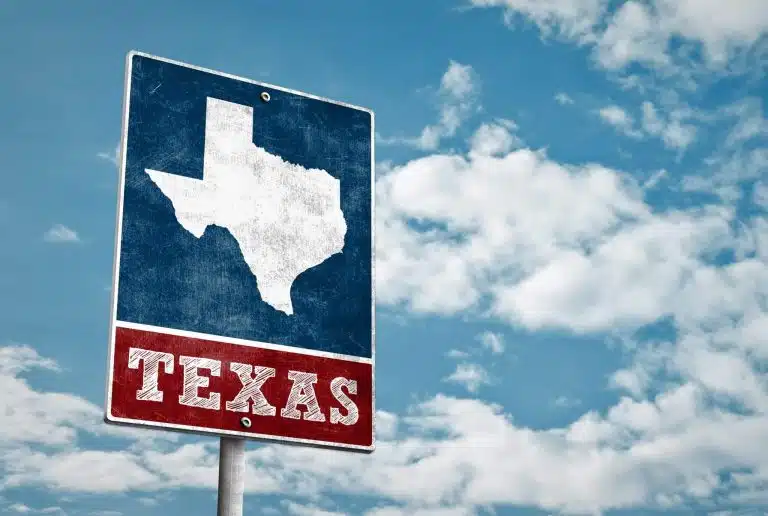
Vintage-style Texas road sign with a map outline against a blue sky with clouds.

Explore Texas Culture and Entertainment

If you are currently considering a long distance move to Texas but have yet to make your final decision, Poseidon Moving and Storage is here to offer 10 reasons to move to Texas. After all, the Lone Star State has a lot to offer anyone who decides to move there. From the booming economy and affordable housing to the delicious food and diverse cities, Texas has become one of the best places to live in the United States.

As professional movers offering local, long distance, and commercial moving services, Poseidon Moving and Storage wants to be among the first to welcome you to Texas, your new home. We have helped many residents move to Texas in our years from all over America. That’s why we are the number 1 choice when it comes to long distance moving. Here are a few things about Texas, and why it can be a great place to call home. Let’s get started!

The Job Opportunities

By far one of the best reasons to move to Texas is found in the job market. In fact, the state’s economy is the fourth-largest of any country subdivision in the entire world with the secondhighest gross state product (GSP) in the country in 2019: $1.8 trillion. It isn’t hard to see that this massive economic growth has made for great job opportunities in the Lone Star State. While the gas, mining, and oil industries have always been the largest contributors to the state’s economy, the IT sector has also seen dramatic growth in recent years.

With many booming companies setting up their headquarters in popular Texan cities like Houston and Dallas, the job market doesn’t appear to be slowing down anytime soon. For those looking for job security that only metropolitan areas in Texas can provide, there’s no better reason to move to Texas!

The Homes Are Affordable

Another great reason to consider a long distance move to Texas is that the homes are incredibly affordable. That’s right, the cost of living in Texas is well below the national average. This makes the decision to move to Texas much easier for thousands of people who decide to move there each year. Statistics show that 70.2 percent of the homes in Texas are priced at around $247,000 or less. Compared to many areas in the United States, this is a steal of a price.

Texas also proves to be relatively budget-friendly in terms of renting as well. Median rent is lower than national averages. A studio apartment in Texas costs just around $731 a month, a one-bedroom apartment costs $844 on average and a two-bedroom apartment costs around $1,049 per month. Each of these totals is well below the national average, meaning that those looking for cost-effective housing should definitely consider a move to Texas.

Top-Notch Education

Education is of the utmost importance to those living in Texas. Those looking to further their education after high school have a slew of choices in universities, colleges, and technical schools in Texas. As the second-largest state in the entire country, it is no surprise that Texas is home to around 200 universities and colleges. On top of that, two of the most highly acclaimed universities in the United States can be found in Texas: Texas A&M University and The University of Texas at Austin.

As private universities go, the Austin College, Southern Methodist University, and Rice University (one of the leading research universities in the world) are all located in Texas and worthy of mention. If you are looking for a home where education is held to the highest standards and you can earn a degree to create a better life for you and your family, Texas is the place to be.

The Weather

If you are especially predisposed to disliking cold weather, there are few better places to consider moving to than Texas. This is because Texas is home to some of the warmest climates to be found in the United States year-round.

While summers in Texas can be considered almost too warm for comfort with average temperatures around the high 90s, this seems like a reasonable sacrifice to make for winters that are fairly mild with little to no snow. This makes Texas one of the best places to call home for those who like to engage in outdoor activities year-round. The weather is beautiful in Texas regardless of the time of the year!

Food Scene

If you consider yourself a meat-eater, there are few better places to enjoy the culinary scene than in Texas. This is due to the fact that the food scene in Texas is made up of some of the best barbeque that can be found in the world. In fact, Texans have spent years upon years perfecting their own local barbecue recipes and this makes up a large part of the food scene in
Texas.

For those who consider themselves more on the plant-eating end of the spectrum, the food scene is equally as enjoyable in Texas. In fact, it is easier than ever to find meat-free meals in Texas with many vegan and vegetarian restaurants popping up around the Lone Star State. Finally, there is no better place in the world to enjoy authentic TEX-MEX food than in the land that made this type of food famous. Enjoy the perfect blend between authentic Mexican food and southern American meals in the TEX-MEX capital of the world!

Popular Destinations for Moving Within Texas

Moving within the vast state of Texas presents a world of exciting opportunities. Texas offers a diverse range of cities, each with its own unique charm and character. Here are some of the popular destinations for those considering a move within the Lone Star State:

Houston – The Space City:

  • Houston, Texas’s largest city, is a dynamic metropolis known for its strong economy and diverse culture. It’s home to the famous NASA Johnson Space Center and boasts a thriving job market, particularly in the energy, healthcare, and aerospace industries.
  • With a variety of neighborhoods, excellent schools, and a bustling arts scene, Houston appeals to families and professionals alike. Its affordability compared to many other major cities is another plus.

San Antonio – The Historic Gem:

  • San Antonio is rich in history and boasts a vibrant arts and culinary scene. The city is famous for the Alamo and the scenic River Walk, making it a popular tourist destination.
  • Its friendly atmosphere, affordable housing, and growing job opportunities, especially in healthcare and tourism, make it a great place to live. San Antonio’s sense of community and cultural diversity contribute to its appeal.

Dallas – The Big D:

  • Dallas, a major business hub, attracts professionals seeking career opportunities in finance, technology, and healthcare. The city’s impressive skyline and vibrant downtown area are emblematic of its dynamic economy.
  • Dallas offers a mix of modern living and cultural attractions, including world-class museums and dining. Its diverse neighborhoods provide housing options for various lifestyles.

Austin – The Live Music Capital:

  • Austin, the state capital, is renowned for its live music scene and thriving tech industry. It’s a magnet for creatives, entrepreneurs, and those seeking a laid-back yet culturally vibrant lifestyle.
  • The city’s motto, “Keep Austin Weird,” reflects its unique character and diverse community. With its natural beauty, recreational opportunities, and a strong job market, Austin continues to draw newcomers.

Additional Tips for a Smooth Move:

    1. Research Neighborhoods: Explore different neighborhoods within your chosen Texas city to find your ideal location.
    1. Job Market: Consider your career prospects and job opportunities within your selected city.
    1. Housing Options: Evaluate the housing market and rental options to find the right fit for your budget and lifestyle.
    1. Local Culture: Embrace the local culture and events to fully immerse yourself in the community.
    1. Professional Movers: Rely on Poseidon Moving Company for expert moving services tailored to your Texas relocation needs.

Texas offers a wide array of destinations, each with its own unique attractions and opportunities. Whether you’re drawn to Houston’s economic prowess, San Antonio’s historic charm, Dallas’s urban energy, or Austin’s creative spirit, Texas has a place for you to call home.

Move to Texas With Best Long Distance Movers!

Now that you know 5 of the best reasons to move to Texas, it’s time to start planning for your own move. One of the most important steps in the planning process for any move is finding the best team of long-distance movers. If you are looking for long-distance movers who are well versed in making trips to Texas, look no further than Poseidon Moving and Storage!

We have years of experience helping people just like you make their dreams of moving to Texas a reality. With the most affordable prices for long distance moving services that can be found in America, there’s no better time than now to start planning your move to Texas. Contact us today to receive a free quote! You won’t regret booking with Poseidon Moving and Storage!

Read More

Reasons to Move to Brooklyn: 5 Benefits of Living in NYC’s Borough

New York City is made up of five boroughs or “districts,” including Brooklyn, its most populous borough. If it were a city, Brooklyn would be the fourth most populous in America with an estimated population of 2.6 million! Over the last few years, Brooklyn has blossomed into a trendy hub of industry and diversity, featuring world-class eateries, sprawling parks, and burgeoning communities full of life and culture. For most outsiders, considering a move to New York City involves the hustle and bustle of city life, but Brooklyn has so much more to offer. If you’re considering a move, Poseidon Moving and Storage has five reasons why you should consider making Brooklyn your next home!

Public Transit

The subway system is the lifeblood of New York City and this is just as true in Brooklyn. More than half of Brooklynites don’t own cars because they don’t need one! Anywhere you may need to go — a bodega or drug store, a friend’s apartment, work — is usually within walking distance, but when you need to travel further, Brooklyn offers plenty of other modes of transportation.

Most Brooklyn residents choose to travel the city by Metro, but you can also opt to make use of the borough’s bike-share program or iconic yellow taxis. Brooklyn is one of the most beautiful areas to travel through and walking through the city allows you to take in all the picturesque spots spread throughout the borough. And the best part is living in Brooklyn means never having to worry about gas prices!

Get Outdoors

New York City may be known as an urban concrete jungle, but there’s more to Brooklyn than meets the eye. Brooklyn is the closest borough to the Atlantic Ocean coastline, meaning many coastal communities have been incorporated into its sprawling urban atmosphere. Many New Yorkers choose to flee the city during the summer to the Hamptons or Fire Island, but why go all
that way when you can enjoy the beauty of nature from your own Brooklyn backyard?

Along with its proximity to beaches and the ocean, Brooklyn features beautiful parks such as Marine Park and Sunset Park, where people of all ages gather to soak up some sun. Residents can get outside and enjoy soccer fields, jogging trails, and gorgeous greenery without having to even drive anywhere. During the summer, parks offer live music and other events you can’t find anywhere else in the city. If you’re looking for a place to live that offers the feel of a big city without having to sacrifice outdoor space, Brooklyn is the place for you!

Not So Crowded

Those of us who have spent most of our lives living in American suburbia may feel overwhelmed by the prospect of living in such a densely populated area, full of bodies and energy and activity. The noise and fuss of crowds can be a scary possibility for those of us who haven’t experienced that mode of living before. If you’re enticed by city living but concerned about getting overwhelmed by the crowds and their associated noise, Brooklyn is the place for you.

Brooklynites enjoy significantly less hustle and bustle than their counterparts in Manhattan. Apartments in Brooklyn often feature shared outdoor space where you can get a breath of fresh air without getting knocked over by people hurrying to and from work. The open spaces and grassy parks of this borough are less crowded and more laid back, offering a suburban feel with all the amenities of a large city.

While the other four boroughs are emblematic of New York City’s concrete jungle reputation, pulsing with the lives of millions of people, life in Brooklyn offers city living without quite so much crowding.

Restaurants and Eateries

If anything about moving to Brooklyn is certain, it’s that you will never stay hungry! Brooklyn offers some of the most diverse cuisines in the country, with residents who have flocked to the borough from all corners of the world to introduce their food to the area. With the wide array of eateries the borough offers, there is something for everyone.

Whether it’s pizza from Di Fara or a pastrami sandwich from A Taste of Katz’s, you’ll never have to look too far for a delicious meal while living in Brooklyn. Many of the best restaurants are hidden gems, giving you an excuse to get to know your neighbors and their favorite spots. DeKalb Market Hall houses some of Brooklyn’s best delicacies in its 60,000 square-foot food hall, with more than 40 vendors including trendy spots such as Bushwick’s Bunker or the southern eatery Wilma Jean. Moving to Brooklyn means getting to sample meals from all over the world whenever you want!

Community

Gentrification, the process of renovating an area so that it adheres to middle-class tastes and expectations, has become commonplace across New York City with the influx of affluence. This process often results in a white-washing erasure of local cultures and communities, dulling the vibrancy of the lives and customs in that area. Brooklyn has not been completely immune to this change but it has managed to resist some of these modifications, maintaining its diversity and personality.

Every neighborhood in Brooklyn has its own story, its own history, resulting in tight-knit communities that offer their own food, events, art, and culture to residents. These communities foster an atmosphere of connection and collaboration among Brooklynites, making the borough truly feel like home.

Poseidon Moving and Storage

While our staff at Poseidon Moving and Storage is thrilled to call Boston home, we know sometimes life calls for a change. Brooklyn has so much to offer to people who are looking to shake up the monotony of their lives and the habits they’ve settled into. As long-distance movers, our staff has two decades worth of experience helping clients manage transitions during a move. If you or someone you know is considering a move, visit our website today to find out how Poseidon Moving and Storage can help!

Read More

Reasons to Move to California: 8 Benefits of Living in the Golden State

Thinking about making California your next home? Whether you’re drawn to its stunning coastline, booming job market, or endless entertainment options, the Golden State offers something for everyone. But is it the right move for you?

From high-paying careers to year-round sunshine, California attracts millions of new residents every year. But moving isn’t just about picking a place—it’s about finding the right lifestyle and opportunities for your future.

If you’re still weighing your options, here are 8 compelling reasons why California is one of the best places to live in the U.S.

1. Unmatched Natural Beauty and Outdoor Adventures

California is one of the most geographically diverse states in the U.S., offering breathtaking scenery and outdoor activities year-round. From the coastline to the mountains and deserts, there is no shortage of natural beauty to explore.

The state is home to some of the most famous national parks, including Yosemite, Joshua Tree, and Redwood National Park. Whether you enjoy hiking, skiing, surfing, or simply taking in scenic views, California provides endless opportunities for outdoor adventures. The Pacific Coast Highway, stretching along the state’s coastline, offers some of the most stunning road trip experiences in the country.

2. Year-Round Pleasant Weather

California’s climate is one of its biggest selling points. The state enjoys mild, comfortable weather for most of the year, making it an ideal place for those who love the outdoors. Southern California cities like Los Angeles and San Diego experience warm temperatures and plenty of sunshine, while Northern California cities such as San Francisco offer cooler, more temperate weather.

The variety in climate allows residents to choose an area that best suits their lifestyle. Whether you prefer beach weather all year or seasonal changes with snowy winters in the mountains, California has something for everyone.

3. Strong Economy and Thriving Job Market

California boasts the fifth-largest economy in the world, making it one of the best states for career opportunities. Major industries such as technology, entertainment, healthcare, and aerospace drive the economy, offering high-paying jobs and career growth.

Silicon Valley, home to tech giants like Google, Apple, and Facebook, is the global center for innovation and entrepreneurship. The entertainment industry in Los Angeles attracts creatives and professionals in film, music, and digital media. Additionally, California has a growing renewable energy and green technology sector, making it a leader in sustainability and innovation.

4. Cultural Diversity and Inclusive Communities

One of California’s most defining characteristics is its diversity. People from all over the world call California home, bringing a rich mix of cultures, traditions, and languages. This diversity is reflected in the state’s vibrant neighborhoods, local businesses, and arts and food scenes.

California is known for being a welcoming and inclusive state, embracing people from different backgrounds, beliefs, and lifestyles. Cities like Los Angeles, San Francisco, and San Diego offer multicultural experiences that make it easy to connect with people from all walks of life.

5. A Food Lover’s Paradise

California is a top destination for food lovers. The state is responsible for producing a large portion of the country’s fruits, vegetables, and nuts, making farm-to-table dining widely available. Farmers’ markets, organic food options, and fresh seafood contribute to a high-quality food scene.

The diverse population also brings an incredible variety of cuisine. From authentic Mexican street tacos in Los Angeles to world-class sushi in San Francisco, California offers some of the best dining experiences in the country. The state is also home to Napa Valley and Sonoma, two of the most famous wine regions in the world, making it a haven for wine enthusiasts.

6. Top-Ranked Universities and Educational Opportunities

California is home to some of the best colleges and universities in the country, attracting students from around the world. The University of California system, with campuses in Berkeley, Los Angeles, and San Diego, consistently ranks among the top public universities in the nation. Other prestigious schools, such as Stanford University and the California Institute of Technology (Caltech), are world leaders in research and innovation.

For families with children, California offers a wide range of highly-rated public and private schools. Many areas also have excellent community colleges and vocational schools, providing accessible educational opportunities for students of all backgrounds.

7. Entertainment, Music, and Arts Scene

As the entertainment capital of the world, California offers endless opportunities for those who love music, film, and the arts. Los Angeles is home to Hollywood, where the film and television industry thrives. San Francisco and Oakland have a rich history of live music, theater, and cultural festivals.

The state hosts some of the biggest music festivals in the world, including Coachella and Outside Lands, drawing thousands of music lovers each year. California’s museums, art galleries, and historic sites make it a cultural hub for creatives and art enthusiasts.

8. High Quality of Life and Health-Conscious Lifestyle

California is known for its emphasis on healthy living. With access to fresh produce, fitness-focused communities, and outdoor recreational activities, many residents lead an active and health-conscious lifestyle. The state is a leader in wellness trends, with widespread access to organic food, plant-based dining options, and holistic health practices.

From hiking and yoga to biking and water sports, California’s outdoor-friendly environment makes it easy to stay active. The state also offers high-quality healthcare facilities and medical research centers, ensuring access to top-notch healthcare services.

Is Moving to California Right for You? Get Professional Moving Help

If you’re planning a move to California, working with a professional moving company can make the process easier and stress-free. Whether you’re relocating for work, education, or lifestyle changes, a reliable moving service ensures that your belongings are transported safely and efficiently.

Poseidon Moving offers local and long-distance moving services, providing everything from packing services to secure storage solutions. Our experienced movers handle every aspect of your move with professionalism and care.

Get a free quote today and let Poseidon Moving make your transition to California smooth and hassle-free.

Read More

5 Reasons to Move to NYC

There’s a reason more than 8 million people call New York City home — and millions more dream about moving to new york city every year. The energy, the opportunity, the sheer variety of life packed into five boroughs make it unlike anywhere else on earth. But beyond the skyline shots and movie montages, what actually makes NYC worth the move?

Whether you’re relocating for a career, chasing a lifestyle change, or just ready for something bigger, here are five reasons to move to new york that go well beyond the tourist brochure.

1. A Walkable City With World-Class Transit

Most New Yorkers don’t own cars — and they don’t miss them. The city’s grid layout and dense neighborhoods mean everything you need is within walking distance: groceries, coffee, restaurants, pharmacies, and parks. The average resident walks several miles a day without even thinking about it, and that daily movement adds up — studies consistently show regular walking boosts mood, creativity, and cardiovascular health.

When you need to go farther, New York’s subway runs 24 hours a day, 7 days a week across 472 stations — one of the few transit systems in the world that never shuts down. Add in 300+ bus routes, the Citi Bike program with 250+ miles of protected lanes, multiple ferry routes, and ride-hailing services, and you’ve got a transportation ecosystem that eliminates the need for a car entirely. No car payments, no insurance, no parking nightmares. For many transplants, dropping the car alone saves $8,000–$12,000 a year — one of the biggest benefits of living in nyc that surprises newcomers.

2. The City That Truly Never Sleeps

The nickname isn’t a marketing slogan — it’s a literal description. New York operates on a different clock than the rest of the country. Bodegas are open at 3 a.m. Gyms offer midnight classes. Laundromats run around the clock. Bars can stay open until 4 a.m. by law, and late-night food runs are a way of life, not an exception.

For shift workers, night owls, freelancers, and anyone who doesn’t operate on a strict 9-to-5, this schedule flexibility is a genuine lifestyle advantage and one of the unique perks of living in new york city. You’re never stuck waiting for something to open — the city bends to your schedule, not the other way around.

3. Unmatched Diversity, Food, and Culture

More than 800 languages are spoken across New York City, and roughly 37% of residents were born outside the United States. Each borough — Manhattan, Brooklyn, Queens, the Bronx, and Staten Island — has its own personality, and within those boroughs, neighborhoods shift character block by block. Jackson Heights feels nothing like Park Slope, which feels nothing like Harlem, which feels nothing like the Lower East Side.

That diversity is woven into the food, music, festivals, street art, and daily life of the city. With over 27,000 restaurants — more than any other city in the country — NYC offers everything from $1.50 pizza slices to Michelin tasting menus. You can eat Oaxacan mole in Sunset Park, dim sum in Flushing, Ethiopian in the Bronx, and ramen in the East Village, all in a single weekend. Why do people move to nyc? This is a big part of the answer — the chance to live in a city that puts the entire world within subway distance.

4. Career Opportunities, Arts, and Entertainment

New York is home to the highest concentration of Fortune 500 company headquarters in the world — but the job market goes far beyond Wall Street. The city is a global hub for finance, media, publishing, fashion, tech, healthcare, law, advertising, and the arts. The startup scene is thriving in neighborhoods like Flatiron, Dumbo, and the Financial District, and for freelancers and entrepreneurs, the density of clients, collaborators, and networking events is unmatched. If you’re wondering why move to new york city for your career, the answer is opportunity at a scale that doesn’t exist anywhere else.

Beyond work, the city has over 2,000 arts and cultural organizations, 500+ galleries, 80+ museums, and live performances happening every single night. Broadway, the Met, MoMA, Carnegie Hall, Madison Square Garden — the list goes on. And it’s not all expensive. Neighborhood bars host open mics and DJ nights, galleries hold free opening receptions, parks offer outdoor screenings and concerts all summer, and many museums (including the Met) offer suggested-donation admission for New York residents. For anyone asking what are the best reasons to move to nyc for culture and entertainment, the answer is an unqualified yes.

5. Neighborhoods, Green Space, and What to Expect on Cost

NYC isn’t one city — it’s hundreds of micro-neighborhoods, each with its own character. If you’re wondering is new york a good place to live, the answer depends entirely on where in the city you land. Park Slope offers tree-lined brownstone blocks and Prospect Park. Astoria delivers incredible food diversity and affordable rents. The West Village has a quiet, European feel with independent shops and jazz clubs. Williamsburg brings creative energy and waterfront parks. Washington Heights offers more affordable uptown living with Fort Tryon Park and The Cloisters museum. The key is exploring beyond Manhattan before you sign a lease.

And while NYC’s cost of living is high, the full picture is more nuanced than the sticker shock. Salaries tend to run 15–25% above national averages, and dropping a car saves $800–$1,000 a month on its own. The Bronx and parts of Queens offer significantly lower rents than Manhattan or Brooklyn, and rent-stabilized apartments — roughly a third of the city’s housing stock — provide long-term affordability that doesn’t exist in most other cities, and that’s one of the underrated reasons to live in new york. One of the overlooked answers to why live in new york city is that the city has over 30,000 acres of parkland, including Central Park, the High Line, Riverside Park, Governors Island, and Brooklyn Bridge Park. Weekend escapes to the Hudson Valley, Catskills, and Long Island beaches are just a train ride away. The bottom line: NYC requires a budget, a plan, and realistic expectations — but millions of working-class and middle-income New Yorkers make it work every day.

Ready to Make the Move to NYC?

Now that you know what makes the city worth it, the next step is finding the right moving company to get you there. Whether you’re heading to a walkup in Brooklyn, a high-rise in Manhattan, or a family home in Queens, Poseidon Moving and Storage handles Boston to NYC moves and long-distance relocations with flat-rate pricing, dedicated account managers, and the city logistics expertise that this route demands.

Request a free quote and start planning your move to the city that never sleeps.

Read More

Reasons to Move to Chicago: 15 Benefits of Living in the Windy City

Is Moving to Chicago Right for You?

If you’re considering moving to Chicago, you’re in for an exciting opportunity. Known as the Windy City, Chicago is one of the most dynamic urban centers in the United States. At Poseidon Moving and Storage, we’ve helped countless individuals make their move to this incredible city, and we’re here to share the many reasons why Chicago is a fantastic place to call home.

With nearly three million residents, Chicago is the third-largest city in the U.S., boasting a rich cultural heritage, thriving economy, and unparalleled entertainment. Let’s explore 15 reasons why relocating to Chicago might be the best decision you’ll make in 2025.

1. Close Proximity to Lake Michigan

Living near Lake Michigan is one of the perks of calling Chicago home. With 26 miles of public shoreline and scenic beaches, the lake is a haven for outdoor enthusiasts. Whether you enjoy water sports like kayaking or paddle boarding, or simply relaxing by the water, Lake Michigan offers it all. Trails like the 18.5-mile Lakefront Trail connect neighborhoods and parks, making it easy to enjoy the outdoors.

Spending summers at beaches like Montrose or North Avenue Beach, or walking along the Navy Pier, you’ll quickly understand why the lake is a defining feature of Chicago.


2. A Thriving Job Market

Chicago’s economy is thriving, offering opportunities across numerous industries. Whether you’re in finance, technology, healthcare, or education, there’s a place for you here. Major employers like Boeing, United Airlines, and McDonald’s are headquartered in the city.

Why move for work?

  • Growth Industries: Chicago has seen significant growth in the tech sector, particularly in hubs like Fulton Market.
  • Job Stability: Post-pandemic recovery has brought unemployment rates down to approximately 4%.

Learn more about the Chicago job market on Bureau of Labor Statistics.


3. Diverse Neighborhoods

Chicago’s neighborhoods offer something for everyone, with each area boasting a unique culture and vibe. Whether you’re drawn to family-friendly communities or artsy hubs, you’ll find a neighborhood that fits your lifestyle.

  • Lincoln Park: Known for its stunning architecture and proximity to the zoo.
  • Wicker Park: A vibrant, creative neighborhood with boutique shops and live music.
  • Hyde Park: Rich in history and home to the University of Chicago.

4. Chicago is a Sports Lover’s Paradise

Few cities rival Chicago’s passion for sports. With legendary teams like the Chicago Cubs, Chicago Bears, and Chicago Bulls, sports fans have plenty to cheer for year-round. For hockey lovers, the Chicago Blackhawks deliver thrilling games at the United Center.

5. World-Class Dining

Foodies rejoice—Chicago is home to one of the most vibrant culinary scenes in the country. From local staples like deep-dish pizza to globally recognized fine dining, you’ll never run out of options.

  • Restaurant Row in the West Loop features Michelin-starred eateries like Alinea and Girl & the Goat.
  • For casual bites, indulge in Italian beef sandwiches or the city’s iconic Chicago-style hot dog.

Find more about Chicago’s food scene at Choose Chicago.


6. A Shopper’s Dream

Chicago, Illinois offers incredible shopping experiences, from luxury brands to independent boutiques.

  • Magnificent Mile: Spanning Michigan Avenue, this shopping district is home to iconic stores like Gucci and Nike.
  • Neighborhood Shopping: Explore Wicker Park for vintage finds and Andersonville for quirky, locally-owned stores.

7. Summer in the City

Summer transforms Chicago into a vibrant festival hub. Enjoy iconic events like:

  1. Taste of Chicago: Sample foods from top restaurants across the city.
  2. Lollapalooza: A music festival that draws global talent.
  3. Outdoor Concerts: Free performances at Millennium Park’s Jay Pritzker Pavilion.

8. A City Rich in History and Culture

Few cities can boast the level of history and cultural depth that Chicago offers. Home to museums like the Art Institute of Chicago and historic landmarks such as Navy Pier, the city is a haven for art and history enthusiasts.

  • Must-See Museums: The Field Museum, Adler Planetarium, and Shedd Aquarium.
  • Cultural Events: The Chicago Cultural Center hosts year-round free exhibitions and performances.

9. Public Transit Made Easy

Navigating a city the size of Chicago may seem daunting, but the CTA L train and bus systems make it simple. Whether commuting to work or exploring neighborhoods, public transit is efficient, affordable, and reliable.


10. Education and Innovation

Chicago is an educational hub, home to world-class institutions like Northwestern University and the University of Chicago. Students and professionals benefit from a rich intellectual environment and ample research opportunities.


11. Affordable (Compared to Other Major Cities)

While Chicago isn’t the cheapest city, it’s significantly more affordable than New York or San Francisco.

  • Average rent for a one-bedroom: $1,800–$2,000.
  • Cost of groceries and transportation aligns closely with national averages.

12. Stunning Parks and Green Spaces

Chicago offers lush parks that balance the urban landscape:

  • Millennium Park: Famous for its art installations and events.
  • Garfield Park Conservatory: A peaceful retreat for nature lovers.
  • Grant Park: Known as “Chicago’s Front Yard,” hosting events like the Chicago Marathon.

13. Endless Entertainment Options

No matter the season, there’s always something to do in Chicago. From holiday markets like the Christkindlmarket to iconic celebrations like the dyeing of the Chicago River on St. Patrick’s Day, the city ensures that residents are never bored.


14. Entrepreneurial Spirit

With tech incubators like 1871 Chicago, the city fosters a vibrant entrepreneurial scene. Professionals with an innovative mindset find a welcoming ecosystem for startups and small businesses.


15. Community and Connectivity

Despite its size, Chicago retains a welcoming, community-driven atmosphere. Neighborhood events, block parties, and an overall sense of Midwestern hospitality make the city feel like home.


Start Your New Chapter in Chicago

Chicago offers a blend of culture, opportunity, and excitement, making it an ideal place to live. Whether it’s the vibrant neighborhoods, thriving job market, or unparalleled dining, this city has something for everyone.

When you’re ready to make the move, Poseidon Moving and Storage is here to help. With decades of experience and customer-first service, we’ll ensure your transition to Chicago is seamless and stress-free.

Contact us today for a free quote and let’s get you moving to the Windy City!

Read More

How Much to Tip Movers

Poseidon Moving Company foreman next to a branded moving truck on a residential street

With so many things to think about during a move, tipping etiquette is one of the questions that comes up most often — and it’s usually last-minute. How much should you tip movers? Is tipping expected? Does it change for long-distance moves vs. local moves?

Here’s the short answer: tipping movers is not required, but it’s a common and appreciated way to recognize good work. This guide covers how much to tip, when to tip more or less, and how to handle it on moving day — so you’re not guessing while the crew is loading the truck.

Quick Answer: How Much Should You Tip Movers?

If you’re looking for a fast, practical answer:

Half-day local move: $15–$25 per mover

Full-day local move: $20–$40 per mover

Long-distance move: $40–$60 per mover per day (or more for exceptional service)

These are per-mover amounts — so for a 3-person crew on a full-day local move, a standard tip would be $60–$120 total. Adjust up or down based on the factors below.

Tipping Amounts at a Glance

Move Type Standard Tip (per mover) Exceptional Service (per mover)
Half-Day Local Move (3–4 hours) $15 – $25 $25 – $40
Full-Day Local Move (6–10 hours) $20 – $40 $40 – $60
Long-Distance Move (per day) $40 – $60 $60 – $80+

Tip amounts are per mover. For long-distance moves, a per-mover or per-day tip is more practical than a percentage of the total bill, since long-distance costs can be significantly higher.

Is Tipping Movers Required?

No. Tipping movers is never mandatory. Your moving company’s quoted price covers the service — the crew is paid for their work regardless of whether you tip.

That said, movers work in a physically demanding, service-based profession. When a crew shows up on time, handles your belongings with care, navigates tight staircases or difficult access, and stays professional throughout a long day — a tip is a direct and meaningful way to show appreciation.

If your experience was poor — damaged items, careless handling, unprofessional conduct — you should not feel pressured to tip. The tip should reflect the quality of service you actually received.

When to Tip More

Not every move is the same difficulty level. These are the situations where a higher tip is well-earned:

Lots of stairs, long carries, or no elevator. Walking a couch up four flights or carrying boxes 150 feet from the truck to your unit is genuinely hard work. If the crew handled it without complaint, that’s worth recognizing.

Fragile or specialty items handled with extra care. If they moved a piano, antiques, glass-top tables, or artwork — and everything arrived intact — that’s skill and attention beyond the basics.

Extreme weather conditions. Moving in a heat wave, rain, or snow makes the job significantly harder and more physically taxing.

The move ran long but they stayed professional. Moves sometimes take longer than expected — traffic, building access delays, last-minute additions. If the crew stayed patient and efficient throughout a longer-than-planned day, that professionalism deserves acknowledgment.

Outstanding communication and attitude. A crew that keeps you informed, answers questions without frustration, and genuinely makes the day less stressful is doing more than just moving boxes.

When to Tip Less (or Skip It)

Tipping should reflect the experience — and not every experience warrants one. You are under no obligation to tip if:

Items were damaged due to careless handling (not pre-existing or packing issues)

The crew was unprofessional, rude, or dismissive

They were repeatedly late without communication

The job quality didn’t match what you were promised

If something went wrong, address it with the moving company directly. If you booked with a reputable company, they’ll want to hear about it and make it right — that’s a separate issue from tipping.

How to Tip Movers on Moving Day

The logistics of tipping are simple, but a few details make it smoother:

Cash is standard. Most movers prefer cash tips. Have the right bills ready before moving day — ATMs are easy to forget in the chaos.

Tip at the end of the job. Wait until everything is delivered, placed, and you’ve done a final walkthrough. This lets you base the tip on the full experience, not just the first few hours.

Hand it to each mover individually, or to the crew lead to distribute. Either approach works. Handing it individually ensures each person receives theirs directly; giving it to the lead is simpler when the crew is large.

Water, snacks, and coffee are appreciated extras — not replacements. Keeping the crew hydrated and fed during a long day is a kind gesture and genuinely appreciated. But it’s an addition to a tip, not a substitute for one.

For long-distance moves: If the pickup crew and delivery crew are different people (which is common on shared/consolidated shipments), consider tipping each crew separately based on their individual performance.

Local vs. Long-Distance: Does It Change?

The etiquette is the same — tip based on quality of service. But the amounts and approach shift slightly:

Local moves are typically shorter jobs (3–10 hours), so a flat per-mover tip works well. Use the table above as your baseline and adjust for difficulty.

Long-distance moves involve more labor, more time, and often more care with inventory and paperwork. A per-mover, per-day tip is more practical than a percentage of the total bill — since long-distance costs can run into the thousands, a percentage-based tip can quickly become disproportionate. $40–$80 per mover per day is a reasonable range depending on the level of service.

Planning Your Move?

At Poseidon Moving, our crews take pride in making every move smooth, careful, and professional — the kind of experience that makes tipping feel easy, not obligatory. We handle local moves, interstate relocations, packing, and furniture assembly — all with the care your belongings deserve.

Ready to book a crew you’ll want to tip? Request a free quote today.

Frequently Asked Questions

Is it rude not to tip movers?+
No. Tipping is appreciated but never required. The crew is paid for their work as part of the service you booked. If the experience was good, a tip is a welcome way to show appreciation. If service was poor, you’re under no obligation to tip — address any issues directly with the company instead.
Should I tip a percentage of the total bill?+
A per-mover or per-day amount is generally more practical than a percentage — especially for long-distance moves where the total bill can be several thousand dollars. A percentage-based tip can quickly become disproportionate. The flat-amount ranges in this guide are a more reliable baseline.
Do I tip the pickup crew and delivery crew separately on a long-distance move?+
If the pickup and delivery crews are different people (common on shared or consolidated shipments), yes — tip each crew separately based on their individual performance. Have cash ready for both occasions.
Can I tip with Venmo or a credit card instead of cash?+
Cash is the standard and most widely preferred method. Some movers may accept digital payment, but don’t count on it — have cash ready as a default. If you forget cash, asking the crew lead if they have a preferred digital option is fine.
Is buying lunch or providing snacks enough instead of a cash tip?+
Providing water, snacks, or coffee is always appreciated — especially on long or hot days. But it’s best thought of as an extra, not a replacement for a cash tip. If you want to recognize good work, a cash tip is the most direct and meaningful way to do it.
Read More

Moving to Boston: Relocation Guide 2026

Poseidon Moving Company truck parked in downtown Boston near historic buildings and offices.

Boston is one of the most expensive, most educated, and most historically significant cities in the country — and it makes very few compromises for newcomers. The streets are confusing, the winters are long, parking is a blood sport, and the rent on a one-bedroom apartment averages $3,417 per month. People move here anyway — for the hospitals, the universities, the biotech jobs, the harbor, and a city that’s walkable in ways most American cities aren’t.

This guide covers what it actually costs to live in Boston in 2026, where the jobs are, which neighborhoods fit which lifestyles, and the Boston-specific logistics (September 1st, broker fees, parking permits) that catch every newcomer off guard. As Poseidon Moving’s home city, we’ve moved thousands of households into and around Greater Boston — we know every narrow street, triple-decker staircase, and building management office in the metro.

Pros of Moving to Boston

World-class healthcare and biotech economy. Boston is the global epicenter of biotech and life sciences. Massachusetts General Hospital, Brigham and Women’s, Dana-Farber, and Boston Children’s are consistently ranked among the top hospitals nationally. The Kendall Square/Cambridge corridor is the densest biotech cluster on the planet — Moderna, Vertex, Novartis, Takeda, and hundreds of startups operate within a few square miles.

Highest concentration of universities in the country. Harvard, MIT, Boston University, Boston College, Northeastern, Tufts, Berklee, Emerson, and dozens more are all within the metro area. This density creates a constant pipeline of talent, research, and cultural energy that defines the city’s identity.

Walkable, transit-connected, and compact. Boston is one of the most walkable major cities in the U.S. The MBTA (the “T”) connects most of the metro via subway, bus, and commuter rail. You can live without a car here — especially in neighborhoods like Back Bay, Beacon Hill, Cambridge, and Somerville — which is rare for an American city.

Four distinct seasons and coastal access. Fall in New England is unmatched. Summers are warm with beach access to Cape Cod, the North Shore, and the Boston Harbor Islands. The city sits on the water with a revitalized Seaport district and waterfront parks that didn’t exist 15 years ago.

High median income and strong labor market. The Boston metro’s median household income exceeds $100,000, well above the national average. Total metro employment is ~2.8 million across healthcare, tech, finance, education, and professional services. The job market has been slow but stable — employers are holding onto workers even as hiring has cooled.

Cons of Moving to Boston

Housing costs are among the highest in the nation. The median home sale price in Boston is $825,000 (Jan 2026). A one-bedroom apartment averages $3,417/month. Inventory remains critically low — by 2025, only three municipalities in Greater Boston had median single-family prices below $500,000. The “starter home” has effectively disappeared from the market.

Brutal, expensive winters. Boston gets an average of 49 inches of snow per year, with temperatures regularly below freezing from December through March. Heating costs run $150–$300+/month depending on your apartment’s insulation and fuel type. Snow emergencies, parking bans, and icy sidewalks are facts of life from November through April.

September 1st lease turnover chaos. The majority of Boston leases start on September 1st, creating the busiest and most expensive moving day in the city. Trucks are booked months in advance, streets are gridlocked with double-parked vans, and discarded furniture lines the sidewalks (locals call it “Allston Christmas”). If you can choose your lease start date, avoid September 1st entirely.

Broker fees and upfront rental costs. Many Boston apartments require first month, last month, security deposit, and a broker fee (typically one month’s rent) — all due at signing. On a $3,000/month apartment, that’s $12,000 before you unpack a single box. Some landlords have moved to no-fee listings, but broker fees remain common.

Aging infrastructure and traffic. The MBTA, while useful, is an aging system with frequent delays and service disruptions. Driving is complicated by confusing street layouts, limited parking, and aggressive drivers. The state income tax rate is 5% (flat), which adds to the overall cost burden alongside high property taxes and housing costs.

Cost of Living

Boston is expensive by almost every measure — housing, rent, groceries, and childcare all run above the national average. The tradeoff is high income potential and an economy anchored by industries (healthcare, biotech, education, finance) that tend to be recession-resistant.

Category Boston National Avg
Average 1BR rent $3,417/mo ~$1,550/mo
Average 2BR rent $4,268/mo ~$1,850/mo
Median home sale price (city) $825,000 $425,000
Median home price (Greater Boston) $767,500
State income tax 5% flat (+ 4% surtax on income >$1M) Varies
Sales tax 6.25% (no tax on groceries or clothing <$175) ~7.1%
Median household income (metro) ~$105,000 ~$80,600

Sources: RentCafe (Feb 2026), Redfin (Jan 2026), The Warren Group (Jan 2026), U.S. Census Bureau

Budget tip: Groceries and clothing under $175 are exempt from Massachusetts sales tax — one of the few cost advantages. If you’re renting, factor in the broker fee (up to one month’s rent) and first/last/security deposits when calculating your move-in costs. Total upfront costs for a $3,000/month apartment can reach $9,000–$12,000.

Housing Market Trends

Boston’s housing market is stabilizing after years of rapid appreciation, but it remains one of the least affordable in the country. Inventory is critically low, and the “starter home” segment has largely vanished from the metro. The market favors buyers in the $500K–$1.5M range, where inventory is tightest, though sellers are showing slightly more flexibility on price than in prior years.

Metric City of Boston Greater Boston
Median sale price (Jan 2026) $825,000 $767,500
YoY price change -3.2% +2.3%
Days on market 60
Homes sold (Jan 2026) 258 1,058
MA statewide median (SF homes) $612,500 (+4.7% YoY)

Sources: Redfin (Jan 2026), The Warren Group (Jan 2026)

Neighborhood price variation is dramatic. In 2025, the city-proper median single-family price was $3.09M (skewed by ultra-luxury), while Charlestown’s median was $1.73M, Jamaica Plain $1.26M, South Boston $1.03M, and Brighton $1.0M. For more affordable entry points, look to the suburbs — communities like Brockton, Wareham, and Halifax remain below $500K.

Job Market and Economy

Boston’s economy is anchored by healthcare, education, biotech, financial services, and technology. The metro area supports ~2.8 million nonfarm jobs. The labor market in 2025 was characterized by stability rather than growth — employers held onto workers but slowed new hiring. Massachusetts’ unemployment rate is 4.8% (Dec 2025), slightly above the national 4.4%, reflecting the state’s high labor force participation and larger labor pool.

Metric Boston Metro National
Massachusetts unemployment rate 4.8% (Dec 2025) 4.4%
Boston metro unemployment rate 4.6% (Dec 2025)
Total metro nonfarm jobs ~2,794,000
Median household income (metro) ~$105,000 ~$80,600
Top employment sectors Healthcare, Ed/Research, Biotech, Finance, Tech
Major employers Mass General Brigham, Harvard, MIT, Moderna, Fidelity, State Street, Wayfair

Sources: BLS (June 2025), Mass.gov (Dec 2025), U.S. Census Bureau

For biotech/pharma workers: The Kendall Square–Cambridge corridor remains the global center of gravity for life sciences. Moderna, Vertex, Novartis, Sanofi, Takeda, Pfizer, and hundreds of startups are clustered within a few square miles. If you’re in drug development, clinical research, or computational biology, Boston’s job density is unmatched.

Best Neighborhoods for Newcomers

Back Bay — Victorian brownstones, Newbury Street shopping, and Boston’s most iconic residential architecture. Walkable and transit-connected (Green Line). Rent is premium — average 1BR around $4,784. Best for professionals who want a classic Boston address.

South Boston (“Southie”) — Rapidly evolved from working-class Irish neighborhood to one of Boston’s most popular areas for young professionals. Waterfront access, new restaurants, and a strong community feel. Median home prices around $1.03M.

Cambridge — Home to Harvard and MIT. Walkable, intellectual, and culturally rich. Average 1BR rent $3,386. Central and Harvard Squares offer dining, bookstores, and nightlife. Best for academics, researchers, and anyone who wants an urban-suburban hybrid.

Jamaica Plain (“JP”) — Diverse, progressive, and community-oriented with independent shops, restaurants, and access to the Arnold Arboretum and Jamaica Pond. More affordable than Back Bay or Cambridge. Great for families and creatives.

Somerville — Just north of Cambridge, Somerville is the scrappier, more affordable neighbor with a thriving food and bar scene (Davis, Union, and Ball Squares). The new Green Line Extension has dramatically improved transit access. One of the best values close to the city center.

Beacon Hill — Cobblestone streets, gas-lit lamps, and Federal-style brick townhouses. One of the most photographed neighborhoods in the city. Compact, walkable, and historic — but parking is essentially nonexistent.

Brookline — Technically an independent town surrounded by Boston. Top-rated schools (Brookline Public Schools), excellent Green Line access, and a mix of suburban comfort with urban amenities. Average 1BR rent $3,246.

For a deeper breakdown of housing costs by neighborhood, see our guide to Boston’s best neighborhoods.

Education

Greater Boston has the highest concentration of colleges and universities in the country, along with competitive public and private K-12 options.

Harvard University — Cambridge. The oldest and highest-endowed university in the country. Drives a significant portion of Cambridge’s economy and culture.

Massachusetts Institute of Technology (MIT) — Cambridge. Global leader in engineering, computer science, and technology research. Anchor of the Kendall Square innovation district.

Boston University — Along Commonwealth Ave. One of the largest private universities in the country with strong programs in law, medicine, communications, and business.

Boston College — Chestnut Hill (Newton/Brookline border). Jesuit university with nationally ranked programs in business, education, and nursing.

Northeastern University — Huntington Ave. Known for its co-op program that integrates professional work experience into the degree. Strong in engineering, health sciences, and business.

Tufts University — Medford/Somerville. Highly ranked research university with strengths in international relations, veterinary medicine, and engineering.

K-12: Brookline Public Schools is consistently rated the top district in the metro area. Within Boston, the Liberal Arts and Science Academy (LASA, via Boston Public Schools) and exam schools like Boston Latin School are nationally recognized. Eanes ISD–level quality exists but is concentrated in specific suburbs (Brookline, Newton, Lexington, Wellesley).

Resources for New Boston Residents

Driver’s license: Visit a Massachusetts RMV office to convert your out-of-state license. No written test required if surrendering a valid license from another state. Do it within 30 days of establishing residency.

Vehicle registration: Register and insure your vehicle within 30 days. Massachusetts requires vehicle inspection within 7 days of registration. Insurance must be purchased from a MA-licensed carrier before you can register — you cannot drive an uninsured vehicle in Massachusetts.

Voter registration: Register online at sec.state.ma.us at least 20 days before an election.

Utilities: Eversource is the primary electric and gas provider. Set up water through the Boston Water & Sewer Commission. Internet options include Comcast/Xfinity, RCN, and Verizon Fios (coverage varies by neighborhood).

Parking permit: Most Boston neighborhoods require a resident parking permit (free with proof of residency). Apply through the City of Boston’s parking clerk office. Street parking is tight everywhere — if your building doesn’t include a space, budget $200–$400/month for garage parking.

Moving permits: You need a street permit to reserve curbside space for the moving truck. Poseidon Moving can handle Boston moving permits on your behalf — apply at least 2 weeks in advance.

COI for your building: Most Boston apartments and condos require a Certificate of Insurance from your mover. Poseidon Moving provides COI documentation at no extra charge.

How to Prepare for Your Move to Boston

Step 1 → Avoid September 1st. This is the single most important Boston-specific moving tip. Most leases in Boston turn over on September 1st, making it the most expensive, most chaotic, and most difficult day to move in the city. If you have any flexibility, start your lease October 1st or later. If you must move September 1st, book your movers by April or May.

Step 2 → Budget for upfront rental costs. First month + last month + security deposit + broker fee can total 3–4 months of rent upfront. On a $3,000/month apartment, that’s $9,000–$12,000 due at signing. Not every apartment charges a broker fee — search for no-fee listings on Zillow, Apartments.com, or directly through management companies.

Step 3 → Plan for narrow streets and walkup buildings. Boston is full of triple-deckers, narrow stairways, and streets that can’t accommodate full-size trucks. A Boston-based moving company knows which streets require shuttle trucks, which buildings need elevator reservations, and how to navigate tight access. This is not a city for DIY truck rental if you’ve never driven here.

Step 4 → Get your parking permit and moving permit sorted early. Street parking in Boston requires a resident permit. Your moving day parking permit must be applied for at least two weeks in advance — without it, the truck has nowhere to park and your move stalls.

Step 5 → Use climate-controlled storage if dates don’t align. Boston’s temperature extremes (freezing winters, humid summers) can damage furniture, electronics, and clothing in non-climate-controlled units. Poseidon Moving offers climate-controlled storage for items that need protection between your move-out and move-in dates.

Moving to Boston from out of state? Poseidon Moving runs interstate routes from New York, New Jersey, Washington DC, Florida, California, and most major cities. We handle packing, permits, COI, and door-to-door delivery. Get a free quote and we’ll build a plan around your timeline.

Start Planning Your Move to Boston

Boston rewards people who plan ahead and punishes those who don’t. The housing is expensive, the logistics are complicated, and the learning curve is real — but the career opportunities, cultural depth, and quality of life make it one of the most compelling cities in the country. As Boston’s most trusted local moving company, Poseidon Moving has helped thousands of residents settle into their new homes here. Request a free quote and let us handle the hard parts.

Frequently Asked Questions

What are the best neighborhoods to move to in Boston?+
It depends on your lifestyle and budget. Cambridge and Somerville are best for academics, researchers, and people who want walkability and transit. Back Bay and Beacon Hill are classic Boston for professionals who want a premium address. South Boston is popular with young professionals for its waterfront and social scene. Jamaica Plain is more diverse and affordable with a strong community feel. Brookline offers top-rated schools and suburban comfort with city convenience. See our full neighborhoods guide for detailed housing breakdowns.
How much does it cost to rent an apartment in Boston?+
The average 1-bedroom apartment in Boston rents for $3,417/month as of February 2026 (RentCafe). Studios average $2,892, and 2-bedrooms average $4,268. Prices vary dramatically by neighborhood — Beacon Hill averages $2,568 for a 1BR while Back Bay averages $4,784. The most affordable neighborhoods within city limits include East Boston (~$1,175 for a 1BR), Uphams Corner, and parts of Dorchester. Budget 3–4 months of rent upfront for first, last, security, and a potential broker fee.
Why should I avoid moving on September 1st?+
September 1st is Boston’s universal lease turnover date — a holdover from the city’s enormous student population. Tens of thousands of households move simultaneously, creating gridlocked streets, booked-out movers, peak pricing, and the phenomenon known as “Allston Christmas” (discarded furniture lining sidewalks). If you can negotiate an October 1st or later start date, you’ll save money, have more mover availability, and avoid the chaos entirely. If September 1st is unavoidable, book your Boston movers by April or May.
Do I need a car in Boston?+
Many Boston residents live without a car, especially in neighborhoods well-served by the T (subway) like Back Bay, Cambridge, Somerville, Brookline, and Downtown. The MBTA covers most of the metro via subway, bus, and commuter rail. If you work in the suburbs or need to commute outside the transit network, a car becomes more important. Parking in the city is expensive ($200–$400/month for a garage) and limited, so weigh the cost of ownership against the convenience before bringing a vehicle.
How much does it cost to move to Boston?+
Local moves within Boston typically cost $450–$2,800 depending on apartment size and access difficulty (stairs, narrow streets, etc.). Long-distance moves from New York start around $1,500, while cross-country moves can range from $4,000–$8,000+. Costs increase for September 1st moves, walk-up buildings, and moves requiring shuttle trucks for narrow streets. Request a free quote for an accurate, inventory-based estimate — Poseidon Moving’s flat-rate pricing means no surprises on moving day.
Read More

Planning to Move?

Handy Moving Guide

Your ultimate moving companion, with Tips and FAQs to keep everything on track.

Frequently Asked Questions

Virtual Walkthrough

Schedule a virtual walkthrough via Google Meet for a precise assessment of your moving needs. It’s quick and efficient—perfect for busy schedules.

Update Inventory Online

Prefer managing things yourself? Update your inventory directly through your online account. It’s simple and allows you to adjust details anytime.

Email or Call Us

Send us your item list at info@poseidonmoving.com, or call us at 866-565-1516, and we’ll update your account for you. Ideal for those who want a personal touch.

Free In-Person Quote

Qualify for a free in-person quote if you’re moving from a home with 2+ bedrooms. We’ll come to you to ensure your quote is precise and tailored to your specific needs.

“Non-allowable” is an industry term for hazardous items professional movers will not transport and are those generally considered explosive, flammable or corrosive.

Please do not ask our team to move living organisms such as plants, fish, pets…

Yes, but we are not liable for those items unless they’re properly reported item by item.

Let us know if you have items of extraordinary value and we’ll walk you through valuation options.

During move-out we can generally remove artwork, mounted TVs, and window ACs.

Additional cost applies on dismounting and mounting TV.

Please reach out to your account manager to make sure our team has the right tools during your move.

Yes, our trucks are fully stocked with moving supplies and proper equipment you may need for your move.

If you are not fully packed/prepared for your move please let us know prior to your moving date and we’ll make sure our team has the necessary packing supplies to assist you.

Get a QuoteCall Us
Accessibility
Font Size
Line Height
Letter Spacing
×
GDPR Notice:

This plugin uses cookies to enhance your experience and provide personalized accessibility settings. These cookies are stored in your browser and allow us to remember your preferences for font size, color schemes, and other accessibility features. By using this plugin, you consent to the use of cookies for these purposes. You can delete or block cookies in your browser settings at any time. Please note that doing so may affect your experience on the site.

Wordpress Social Share Plugin powered by Ultimatelysocial