617-470-9950 Toll Free 866-565-1516

Long Distance Moving Tips

Moving Tips and Tricks to Make Your Long Distance Move Easier

Moving long-distance can be one of the most stressful experiences in life — but it doesn’t have to be. With the right planning, organization, and insider tips, you can transform a potentially overwhelming process into a smooth, manageable transition. Whether you’re relocating across state lines for a new job, moving closer to family, or starting fresh in a new city, this guide will walk you through the most important things to know before, during, and after your interstate move.

We’ll cover everything from realistic timelines and packing strategies to vehicle transport, budget planning, and unpacking tips — all written from the perspective of seasoned movers who have helped hundreds of families relocate successfully.

What Makes a Long-Distance Move Different?

Before diving into specific tips and tricks, it’s helpful to understand what sets long-distance moving apart from a local move.

In a local move, you typically stay within the same metropolitan area and might handle the move in a day. In contrast, a long-distance move usually involves:

Significant travel distance (typically over 100 miles)
More planning and coordination
Higher costs and moving logistics
Shipment tracking and timing considerations
Potential overnight travel

These differences mean that strategies that work for local moves often don’t scale well to long-distance scenarios. Without careful preparation, it’s easy to underestimate the time, money, or energy required.

Start Early and Create a Realistic Timeline

One of the best pieces of advice seasoned movers give is this:

Start planning your long-distance move as early as possible.

A solid timeline does more than keep you organized — it keeps anxiety at bay.

A Typical Long-Distance Move Timeline

Time Before Move What to Do Why It Matters
8–12 weeks Research movers, request quotes, set a moving budget, begin decluttering Early planning gives you better pricing, availability, and fewer last-minute surprises
6–8 weeks Book movers or truck rental, order packing supplies, pack non-essential items Secures your moving date and prevents limited availability during peak season
4–6 weeks Transfer utilities, notify landlord, update address, continue packing Prevents service interruptions and ensures a smooth transition into your new home
2–3 weeks Finalize travel plans, pack most belongings, prepare essentials box Keeps moving day focused and avoids scrambling for critical items
Final week Pack remaining items, confirm mover details, prepare home for move-out Ensures nothing is overlooked and reduces moving-day stress

Declutter Before You Pack — It Saves Time and Money

One of the most effective long-distance moving tips is deceptively simple:

Only move what you actually need.

Every extra box adds weight and volume, and when you’re moving long distances, that equals extra cost. Before you start packing:

Ask Yourself:

Have I used this in the past year?
Does this item still fit my lifestyle?
Is it more valuable emotionally or monetarily?

Items that don’t make the cut can be:

Donated to charity
Sold online or via garage sale
Recycled or responsibly discarded

Decluttering not only reduces moving costs, it also gives you a fresh start in your new home.

Research and Book Your Movers Early

Long-distance movers and moving trucks are in high demand, especially during peak moving season (May through September). Waiting too long to book can leave you with limited options or higher prices.

What to Look For When Choosing Movers

Experience with long-distance moves

Positive customer reviews

Transparent pricing

Proper licensing and insurance

Written estimates, not verbal quotes


Important to Know

Get at least three estimates from reputable companies. Compare not just price, but service offerings — packing, furniture disassembly and protection, storage options, and moving timelines should all be part of the decision.

Get a Written Estimate — and Understand It

A signed contract with a written estimate protects both you and the moving company from surprises.

Long-distance moving estimates can be:

Binding — the price won’t change unless you add services

Non-binding — the final cost can be adjusted based on actual weight or distance

Before signing:
Confirm what’s included (packing, materials, labor)
Ask about weight caps and overage fees
Check for extra charges (stairs, long carry, shuttle services)

Clear communication up front saves headaches later.

Pack Smart — Think Ahead, Not Just Boxed Up

Packing is more than putting items into boxes — a good system saves time unpacking.

Smart Packing Strategies

Pack room by room
Keeps things organized and easier to unpack.

Label boxes clearly
Use color codes or room tags (e.g., kitchen, master bedroom, kids’ toys).

Wrap fragile items carefully
Use bubble wrap or soft materials like towels.

Pack a “first-day essentials” bag
Include toiletries, chargers, basic kitchen tools, and bedding.

Less Common But Helpful Tricks

Take pictures of electronics hookups before disconnecting
This saves time and frustration when setting up in the new place.

Pack heavy items in small boxes
Easier to carry and less likely to cause injury.

Use wardrobe boxes for clothes
They save time and reduce wrinkles.

Moving becomes easier when you pack methodically instead of stuffing boxes randomly.

Understand Moving Insurance Options

Most professional moving companies offer basic coverage automatically — but it’s minimal and often not enough.

Common Types of Protection

Protection Type Cost Coverage Level Best For
Released Value Protection Included Minimal coverage based on weight, not value Low-value items or very small moves
Full Value Protection Additional cost Repair, replacement, or reimbursement Most long-distance household moves
Third-Party Moving Insurance Varies Custom coverage for high-value items Antiques, artwork, electronics, valuables

Plan Your Travel Logistics

Long-distance moving often involves traveling with family, pets, or a vehicle.

For You and Your Family

Book hotels or flights early

Plan rest stops if driving

Pack snacks and water for travel day

For Your Vehicle

You’ve got options:

Drive it yourself

Ship it with a car carrier

Tow it behind your rental truck

Each method has pros and cons, especially on long interstate routes. Carriers are less stressful but cost more; driving yourself gives flexibility but adds wear and tear.

Be Ready for Moving Day

Moving day is usually the most chaotic part — but with preparation, and proper moving checklist chaos can be minimized.

Moving Day Checklist

Confirm arrival time with movers

Keep essential documents and phone with you

Ensure children and pets are safe and entertained

Take photos of your home before movers start

Double-check empty rooms and closets

These small steps can make moving day feel much more controlled and less rushed.

Tips for Unpacking and Settling In

Once your belongings arrive, it’s tempting to unpack everything at once. But a slow, organized approach makes life easier.

Unpacking Priorities

1. Start with essentials — kitchen, bathroom, bed
2. Set up utilities and services
3. Unpack room by room
4. Donate or dispose of empty boxes asap

Living in chaos isn’t required — unpacking one room at a time helps you feel at home faster.

Budgeting for a Long-Distance Move

Long-distance moves are a financial commitment. Knowing typical cost categories keeps your budget realistic.

Common Expenses

Moving company fees or truck rental

Packing materials

Insurance

Lodging / travel

Vehicle transport

New home setup (utilities, internet)

Understanding where the money goes helps avoid surprises and allows you to plan accordingly.

Avoid These Pitfalls

Even seasoned movers make mistakes. Here’s what to avoid:

Waiting too long to book movers
Good companies book up fast, especially in summer.

Not reading the contract
Always understand charges and policies.

Underestimating packing time
Packing can take much longer than you think.

Forgetting address change notifications
Update USPS, banks, subscriptions, and accounts early.

These common errors can turn an otherwise smooth move into a stressful one.

Moving With Pets and Kids

Moving long-distance with family adds another layer of complexity.

For Pets

Keep routine as normal as possible

Pack pet essentials separately

Make frequent breaks on long car rides

For Kids

Explain the move positively

Pack a favorite toy or comfort item

Give them a small box to personalize

Taking care of emotional and practical needs helps everyone adjust.

Why Hiring Professionals Often Helps

DIY moves can save money upfront, but long-distance relocations come with challenges that are easy to underestimate. Navigating stairs, tight hallways, apartment buildings, and limited access points becomes far more complicated when you’re moving across state lines, especially on a tight schedule.

Professional movers bring experience with interstate logistics, proper equipment for heavy and fragile items, and trained crews that know how to work efficiently without damaging your belongings. In many cases, hiring professionals not only protects your items, but also saves time, reduces physical strain, and significantly lowers overall stress during a long-distance move.


What to Expect

Long-distance moves involve logistics most people don’t see upfront — weight calculations, interstate regulations, scheduling windows, and access challenges. Experienced movers handle these details daily, helping prevent delays, damage, and unexpected costs.

Final Thoughts on Long-Distance Moving

Long-distance moving doesn’t have to be stressful — but it does require thoughtful planning, realistic expectations, and strong organization. Start early, choose professionals wisely, pack smart, and stay flexible. With the right approach, your move can become an exciting milestone rather than a logistical headache.

No matter the distance, every move is an opportunity to start fresh and build a new chapter with confidence.

Before your items are loaded, prepare a personal essentials bag with everything you’ll need during and immediately after the move. Include clothing, toiletries, medications, chargers, important paperwork, and snacks. For long distance moves, it may take several days to receive your delivery—an essentials box keeps you comfortable while you wait.

Read More

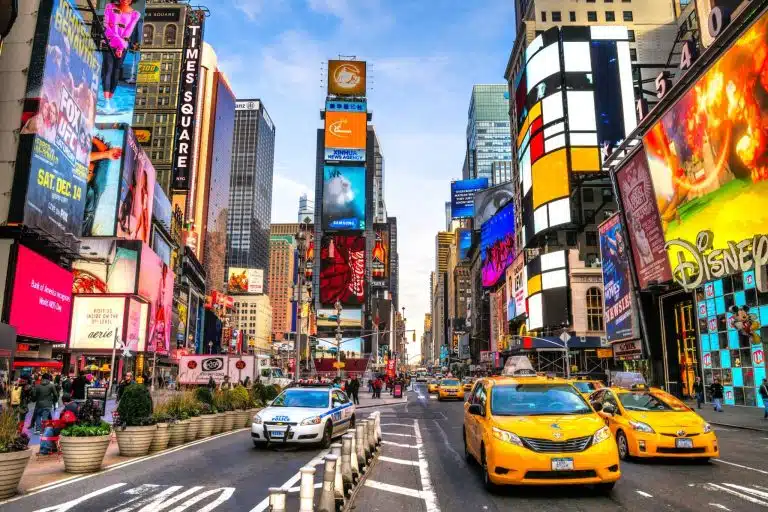
Moving to NYC: What You Need to Know Before Relocating

Moving to New York City is exciting, overwhelming, and life-changing all at once. Whether you’re relocating for work, school, family, or simply chasing the energy of the city, moving to NYC is unlike moving anywhere else in the United States. From its fast-paced lifestyle to its dense neighborhoods and complex logistics, preparing properly can make the difference between a stressful move and a smooth transition.

This guide is designed to give you a realistic, practical look at what it’s like to move to New York City for the first time. You’ll learn what to expect, how to prepare, and what most people wish they had known before relocating.

Why So Many People Move to New York City

New York City continues to attract people from around the world for good reason. It offers unmatched career opportunities, cultural diversity, and a lifestyle that’s difficult to replicate anywhere else.

One of the biggest draws is opportunity. NYC is a global hub for industries such as finance, technology, media, healthcare, education, fashion, and the arts. Many people move here to advance their careers, build professional networks, or access opportunities that simply don’t exist in smaller markets.

Beyond work, the city’s diversity is a major appeal. Every neighborhood has its own personality, cuisine, and rhythm. No matter your background, interests, or lifestyle, there’s a place in New York City where you can feel at home.

Understanding NYC Neighborhoods Before You Move

Choosing the right neighborhood is one of the most important decisions when moving to NYC. Each borough offers a very different living experience, and there’s no single “best” place to live.

Manhattan is known for convenience, nightlife, and proximity to major job centers, but it also comes with higher rents and smaller apartments. Brooklyn offers vibrant neighborhoods, strong local culture, and a balance of city energy and residential feel. Queens is one of the most diverse areas in the country and often provides better value for space while still offering excellent transit access. The Bronx continues to grow and redevelop, offering more affordable options and strong community feel, while Staten Island appeals to those looking for a quieter, more suburban environment with city access.

For most people, the right NYC neighborhood comes down to three things: commute time, monthly budget, and lifestyle pace. Starting with your commute often narrows options faster than focusing on borough reputation alone.

Cost of Living in New York City

Living in New York City is expensive, but understanding where the costs come from helps set realistic expectations.

Housing is the largest expense for most residents. Rent varies widely depending on neighborhood, building type, and amenities, but apartments are generally smaller than what many people are used to elsewhere. In addition to rent, it’s important to budget for utilities, groceries, transportation, and everyday expenses.

While many New Yorkers live without a car, transportation costs still add up through subway fares, commuter rail, or rideshare services. Upfront expenses such as security deposits, broker fees, and moving costs can also catch newcomers off guard. Careful budgeting before your move is essential.

What Most People Underestimate About Moving to NYC

Many people underestimate how logistically complex moving to NYC can be. Unlike suburban or smaller-city moves, New York City introduces challenges that aren’t obvious until moving day arrives.

Most apartment buildings require advance notice, specific move-in windows, and a Certificate of Insurance before movers are allowed on-site. Parking and loading can be restricted, and in some neighborhoods, failing to reserve space properly can result in tickets, delays, or having to move the truck mid-move.

Physical constraints are another surprise. Walk-up buildings, narrow hallways, tight staircases, and small elevators are common. Items that fit easily in other homes may require disassembly or creative maneuvering in NYC apartments. Planning for these realities ahead of time helps avoid stress and unexpected costs.

What Moving Day in NYC Is Really Like

Moving day in New York City requires more coordination than most places. Traffic, parking restrictions, building rules, and tight access points all play a role.

Many buildings require elevator reservations and limit move-in times to specific hours. Some neighborhoods require temporary parking permits or reserved loading zones to avoid fines or towing. Movers familiar with NYC logistics are often better equipped to handle these challenges efficiently.

Planning ahead, confirming building requirements, and allowing extra time can help prevent delays and keep your move on schedule.

Preparing for a Smaller Living Space

Space is at a premium in New York City, and downsizing is often part of the transition.

Before relocating, it’s helpful to evaluate what you truly need. Large furniture that works well in suburban homes may not fit comfortably in a city apartment. Many new residents find that simplifying their belongings, choosing multi-functional furniture, and using smart storage solutions makes daily life easier.

Downsizing before your move not only reduces moving costs but also helps your new space feel more comfortable and organized.

Transportation and Getting Around

One of the biggest advantages of living in NYC is access to public transportation. The subway system runs 24/7 and connects all five boroughs, making it possible to live without a car.

Walking is a major part of daily life, and many neighborhoods are designed around convenience. Buses, commuter rail lines, and rideshare services provide additional options depending on where you live and work. Understanding commute options before choosing a neighborhood can significantly improve quality of life.

Adjusting to the NYC Lifestyle

Life in New York City moves fast. The pace, crowds, and constant activity can feel energizing or overwhelming, especially at first.

It’s normal for newcomers to experience an adjustment period. Over time, routines form, favorite local spots emerge, and the city begins to feel more manageable. Despite the hustle, NYC offers quiet moments too, from neighborhood parks to waterfront walks and cultural spaces.

Tips for a Smooth Move to NYC

A successful move to New York City comes down to preparation and flexibility. Research neighborhoods thoroughly, budget realistically, and plan logistics well in advance.

Working with professionals who understand NYC’s unique moving regulations and building requirements can save time, money, and stress. Remaining adaptable is also important, as things don’t always go exactly as planned in a city as dynamic as New York.

Is Moving to NYC Worth It?

For many people, the answer is yes. New York City offers opportunities, experiences, and connections that are hard to find anywhere else.

While it comes with challenges, those who prepare properly and approach the move with realistic expectations often find the rewards far outweigh the difficulties. If you’re considering moving to NYC, taking the time to plan ahead and understand what to expect can help ensure your transition is confident, smooth, and successful.

Read More

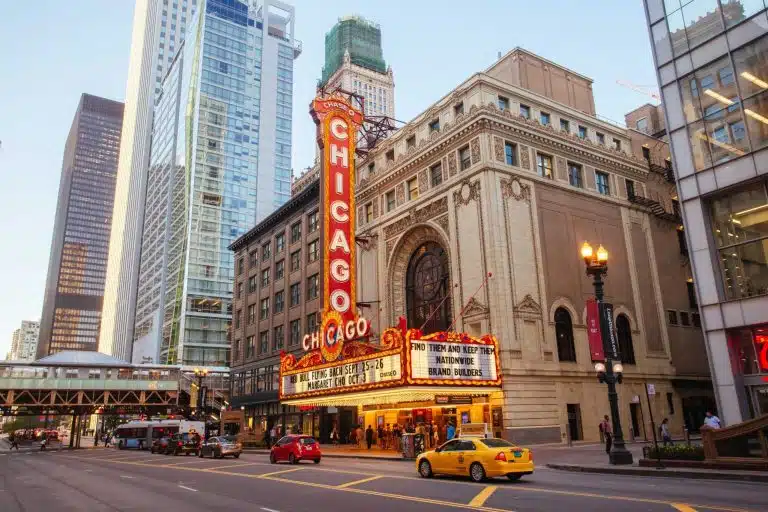
10 Reasons to Move to Chicago

Chicago is one of those cities that surprises people. It’s often misunderstood from the outside, yet deeply loved by the people who actually live there. With world-class culture, diverse neighborhoods, strong job opportunities, and a cost of living that’s far more reasonable than other major U.S. cities, Chicago continues to attract newcomers from all over the country.

If you’re considering a move and wondering whether Chicago is the right fit, this guide breaks down the real reasons people choose to live here. These aren’t just surface-level perks — they’re practical, lifestyle-driven benefits that matter once the boxes are unpacked and daily life begins.

1. The City’s Breathtaking Attractions

Chicago boasts one of the most iconic skylines in the United States, making it a paradise for lovers of architecture and modern design. Whether you’re admiring the Willis Tower (formerly Sears Tower) or taking in the unique design of the John Hancock Center, the city’s architectural charm is undeniable.

Things to Do:

Architectural Tours: Hop on an Architecture River Cruise to explore the history and beauty of Chicago’s skyline.
Skydeck Chicago: Enjoy panoramic views from the glass-floored ledge of the Willis Tower.
360 Chicago Observation Deck: Experience breathtaking views, coupled with the heart-pounding Tilt attraction.

Learn more about Chicago’s skyline tours at Choose Chicago.

2. A Vibrant Theater Scene

If performing arts are your passion, Chicago is your city. The theater scene here is world-class, featuring a mix of Broadway hits, experimental productions, and legendary comedy clubs.

Key Highlights:

Second City Comedy Club: Launchpad for stars like Tina Fey and Steve Carell, Second City is a must-visit for fans of improv and sketch comedy.
Chicago Shakespeare Theater: Offering stunning renditions of classic works, this theater is a cultural gem on Navy Pier.

For theater lovers, the city offers something every night of the week.

3. Picnics and Music at Jay Pritzker Pavilion

The Jay Pritzker Pavilion, located in Millennium Park, is a hub for music festivals, concerts, and cultural events. Its unique design by Frank Gehry creates an acoustically perfect space for live performances.

Why You’ll Love It:

Outdoor Concerts: Free live music events during the summer, including the Grant Park Music Festival.
Perfect Picnic Spot: Bring a blanket, snacks, and drinks for a relaxing day with family or friends.

4. Culinary Delights in Every Neighborhood

Food is one of Chicago’s biggest draws. With over 5,000 restaurants, the city offers a culinary experience that reflects its multicultural population. From deep-dish pizza to Michelin-starred dining, Chicago has it all.

Must-Try Experiences:

Deep-Dish Pizza: Visit Giordano’s or Lou Malnati’s for an authentic slice.
Michelin-Starred Restaurants: Indulge in fine dining at Alinea or Smyth, two of the city’s most celebrated establishments.
Ethnic Cuisine: Enjoy authentic Italian, Taiwanese, and French dishes scattered throughout the city.

Find restaurant recommendations at Michelin Guide Chicago.

5. Wicker Park’s Urban Charm

For a laid-back vibe, head to Wicker Park, a trendy neighborhood known for its indie spirit and artistic flair.

What to Explore:

The 606 Trail: A 2.7-mile-long elevated trail for walking, biking, or running.
Shopping at Milwaukee Avenue: Discover boutiques offering vintage and locally made goods.
Coffee Shops: Wicker Park is home to some of the city’s coziest cafes.

6. Chicago’s Speakeasy Culture

Step back in time to the Prohibition Era with Chicago’s vibrant speakeasy scene. These hidden bars offer a nostalgic glimpse into the 1920s, complete with jazz music and creative cocktails.

Top Speakeasies to Visit:

The Green Mill Cocktail Lounge: Known for its history and connection to Al Capone.
The Violet Hour: This modern speakeasy bans cell phones to keep the focus on the atmosphere.

7. A Sports Lover’s Dream

Chicago is a city that breathes sports, with teams spanning every major league. Whether you’re a lifelong fan or new to the games, the energy at these events is infectious.

Teams to Cheer For:

Chicago Cubs: Catch a game at Wrigley Field, one of the MLB’s most iconic stadiums.
Chicago Bulls: Relive the glory of the Jordan years at the United Center.
Chicago Blackhawks: Enjoy fast-paced hockey action.

8. Explore Chinatown’s Vibrant Community

Home to over 65,000 residents, Chicago’s Chinatown is one of the largest and most authentic in the United States. Located near the South Side, it offers a cultural and culinary escape.

Things to Do:

Dining: Try dim sum at MingHin Cuisine or spicy Sichuan dishes at Lao Sze Chuan.
Chinatown Square: Shop for unique goods, including traditional Chinese medicine and handmade trinkets.

9. A Tropical Escape at Garfield Park Conservatory

During the cold Chicago, Illinois winters, the Garfield Park Conservatory offers a warm, lush retreat. This massive indoor garden features thousands of plants in eight distinct sections, making it one of the largest conservatories in the U.S.

Highlights:

Tropical Plants: Escape the frost with vibrant greenery and exotic blooms.
Free Entry: This urban oasis is open to the public at no cost.

10. Celebrate Art at 2nd Fridays Gallery Night

For art enthusiasts, the 2nd Fridays Gallery Night is a monthly event you won’t want to miss. Held in the Pilsen Arts District, this event gives you a chance to explore the creative side of Chicago.

What to Expect:

Interactive Art: Meet artists and discuss their work.
Live Performances: Enjoy live music and entertainment throughout the district.
Diverse Art Styles: From traditional paintings to avant-garde installations, there’s something for everyone.

Learn more at Chicago Arts District.

Why Chicago is the Perfect Place for You

Chicago combines urban sophistication with Midwest charm, offering residents an unparalleled lifestyle. From its cultural landmarks and culinary gems to its vibrant sports and arts scenes, Chicago truly has something for everyone.

If you’re ready to make the move, Poseidon Moving and Storage is here to simplify your transition. With professional services and years of experience, we’ll ensure your move is seamless and stress-free.

Contact us today for a free quote and let us help you start your new chapter in Chicago!

Read More

10 Reasons to Move to Washington, D.C.

Thinking about moving to Washington, D.C.? You’re not alone. Every year, thousands of people relocate to the nation’s capital for work opportunities, culture, walkability, and access to some of the most influential institutions in the country.

But living in Washington, DC isn’t just about monuments and politics. It’s a city with distinct neighborhoods, vibrant food scenes, strong public transportation, and a lifestyle that blends fast-paced careers with history, green spaces, and community life.

Before making the move, it’s important to understand what daily life in DC is actually like—both the advantages and the trade-offs. Below are ten real reasons people choose to move to Washington, D.C., along with insights to help you decide if it’s the right fit for you.

1. Strong Job Market and Career Opportunities

One of the biggest reasons people move to Washington, DC is career opportunity. While the federal government is the city’s largest employer, the local economy is far more diverse than many expect.

Washington, D.C. has a strong presence in technology, cybersecurity, consulting, healthcare, education, and nonprofit work. Many national and international organizations are headquartered in the area, creating stable employment even during economic downturns. The city also benefits from relatively low unemployment compared to national averages.

For professionals looking for long-term career growth, Washington, D.C. offers access to employers that simply don’t exist in most other cities.

2. Walkability and Public Transportation

Living in Washington, D.C. often means you can rely far less on a car than in other major U.S. cities. Many neighborhoods are designed around walkability, with grocery stores, cafes, parks, and public transit within easy reach.

The city’s Metro system connects D.C. with Maryland and Virginia, making commuting straightforward even for those living outside the city center. Bus routes, bike lanes, and pedestrian-friendly streets further reduce the need for daily driving.

For people moving from car-dependent cities, Washington, D.C.’s transportation infrastructure is a major quality-of-life upgrade.

3. Diverse and Distinct Neighborhoods

Washington, D.C. is a city of neighborhoods, each with its own personality, pace, and lifestyle. This variety makes it easier to find a place that truly fits your needs, whether you’re looking for nightlife, quiet residential streets, or family-friendly communities.

Some neighborhoods are known for historic row houses and tree-lined streets, while others feel more modern and urban. Areas like Capitol Hill and Georgetown offer classic charm, while neighborhoods such as Navy Yard and NoMa attract residents seeking newer developments and waterfront living.

This diversity allows people moving to Washington, D.C. to choose a neighborhood that matches their lifestyle rather than forcing a one-size-fits-all experience.

4. Cultural Attractions and Free Museums

Washington, D.C. is one of the best cities in the country for cultural access, and much of it is completely free. The Smithsonian museums alone offer world-class exhibits covering history, science, art, and culture, all without admission fees.

Beyond museums, the city hosts theaters, live music venues, art galleries, and cultural festivals throughout the year. Whether you enjoy classical performances or modern art shows, there is always something happening.

For residents, this means entertainment and enrichment are easily accessible without constant spending.

5. Green Spaces and Outdoor Access

Despite being a major metropolitan area, Washington, D.C. has an impressive amount of green space. Parks, trails, and waterfront areas are integrated throughout the city, making it easy to enjoy the outdoors without leaving town.

Rock Creek Park alone spans miles of hiking and biking trails, while the National Mall offers open space for walking, exercising, or relaxing. The Potomac River provides opportunities for kayaking, paddleboarding, and scenic views.

For people who want city living without sacrificing access to nature, Washington, D.C. strikes a rare balance.

6. Education and Academic Institutions

Education is another strong reason people choose to live in Washington, D.C. The city is home to several respected universities and colleges, as well as strong public and private school options.

Higher education institutions attract students and professionals from around the world, contributing to the city’s intellectual and international atmosphere. For families, access to diverse educational paths is a major draw, especially when paired with nearby resources like libraries, museums, and cultural institutions.

Living in Washington, D.C. often means being surrounded by learning opportunities at every stage of life.

7. Food Scene and International Cuisine

Washington, D.C.’s food scene reflects its global population. Restaurants throughout the city offer cuisine from nearly every part of the world, often prepared by chefs with authentic regional backgrounds.

From casual neighborhood eateries to upscale dining, the city caters to a wide range of tastes and budgets. Farmers markets and food halls further expand options for residents who enjoy cooking or trying new flavors.

For food lovers, moving to Washington, D.C. means constant access to variety without needing to travel far.

8. Proximity to Other Major Cities

Another benefit of living in Washington, D.C. is its location. The city sits along the East Coast corridor, making travel to nearby cities quick and convenient.

New York City, Philadelphia, and Baltimore are all accessible by train, while nearby airports provide domestic and international travel options. For people who value weekend trips or have family in nearby states, Washington, D.C.’s location offers flexibility that many cities can’t match.

This connectivity makes the city especially appealing for professionals and frequent travelers.

9. History and Architecture You Actually Live In

Washington, D.C. is one of the few cities where history is not confined to museums. Historic buildings, monuments, and neighborhoods are part of everyday life, creating a sense of place that feels both meaningful and unique.

Row houses, preserved landmarks, and iconic architecture coexist with modern developments. This mix gives the city character while still allowing it to evolve.

For many residents, living in Washington, D.C. means being surrounded by history without feeling stuck in the past.

10. A City That Continues to Grow and Evolve

Washington, D.C. has changed significantly over the last decade, with ongoing development bringing new housing, retail, and infrastructure improvements. Waterfront areas have been revitalized, new neighborhoods have emerged, and public spaces continue to improve.

This growth makes the city appealing to people looking for long-term stability rather than a declining or stagnant market. Whether you’re buying or renting, Washington, D.C. offers options that reflect both its history and its future.

For many, that balance is exactly what makes the city feel like home.

Is Washington, D.C. a Good Place to Live?

For many people, the answer is yes. Washington, D.C. offers a rare combination of job security, walkability, cultural access, and neighborhood variety. While the cost of living can be higher than average, many residents find the benefits outweigh the expense, especially when factoring in transportation savings and career opportunities.

If you value convenience, diversity, and long-term opportunity, Washington, D.C. is a city worth serious consideration.

Read More

Planning to Move?

Handy Moving Guide

Your ultimate moving companion, with Tips and FAQs to keep everything on track.

Frequently Asked Questions

Virtual Walkthrough

Schedule a virtual walkthrough via Google Meet for a precise assessment of your moving needs. It’s quick and efficient—perfect for busy schedules.

Update Inventory Online

Prefer managing things yourself? Update your inventory directly through your online account. It’s simple and allows you to adjust details anytime.

Email or Call Us

Send us your item list at info@poseidonmoving.com, or call us at 866-565-1516, and we’ll update your account for you. Ideal for those who want a personal touch.

Free In-Person Quote

Qualify for a free in-person quote if you’re moving from a home with 2+ bedrooms. We’ll come to you to ensure your quote is precise and tailored to your specific needs.

“Non-allowable” is an industry term for hazardous items professional movers will not transport and are those generally considered explosive, flammable or corrosive.

Please do not ask our team to move living organisms such as plants, fish, pets…

Yes, but we are not liable for those items unless they’re properly reported item by item.

Let us know if you have items of extraordinary value and we’ll walk you through valuation options.

During move-out we can generally remove artwork, mounted TVs, and window ACs.

Additional cost applies on dismounting and mounting TV.

Please reach out to your account manager to make sure our team has the right tools during your move.

Yes, our trucks are fully stocked with moving supplies and proper equipment you may need for your move.

If you are not fully packed/prepared for your move please let us know prior to your moving date and we’ll make sure our team has the necessary packing supplies to assist you.

Get a QuoteCall Us
Accessibility
Font Size
Line Height
Letter Spacing
×
GDPR Notice:

This plugin uses cookies to enhance your experience and provide personalized accessibility settings. These cookies are stored in your browser and allow us to remember your preferences for font size, color schemes, and other accessibility features. By using this plugin, you consent to the use of cookies for these purposes. You can delete or block cookies in your browser settings at any time. Please note that doing so may affect your experience on the site.

Wordpress Social Share Plugin powered by Ultimatelysocial