How to Handle Lost or Damaged Items During a Move
Moving Damage Claims & Insurance: What You Need to Know
Moving is stressful enough, but realizing that your furniture or valuables have been damaged, lost, or even stolen during the process can make it overwhelming. Whether you’re dealing with a scratched dining table, shattered electronics, or missing boxes, knowing the right steps to take immediately can make all the difference in getting properly compensated. Many people assume that moving companies provide full insurance coverage, but the reality is that not all protection is the same — and movers often fail to explain the key difference between valuation coverage and moving insurance. Understanding this distinction can help you avoid unexpected costs when filing a damage claim.
Unlike real insurance, which reimburses you based on the actual market value of your items, valuation coverage only holds movers liable up to a certain amount per pound — which might leave you with just $30 for a broken TV. Whether you’re working with intrastate movers for a short-distance move or planning an interstate moving relocation, understanding your insurance options and packing properly can help protect your valuables. By knowing your rights and following the correct claims process, you can avoid costly mistakes and ensure you receive fair compensation if your belongings are damaged.
Steps to Take If Movers Damage or Lose Your Belongings
Unpacking after a move should be an exciting process, but realizing that your furniture or valuables have been damaged can quickly sour the moment. Whether it’s a deep scratch on a wooden table, a dent in your refrigerator, or missing boxes altogether, addressing the issue immediately is crucial. Taking swift action not only increases your chances of receiving compensation but also prevents further complications in the claims process.
1. Inspect and Document the Damage
The first step is to thoroughly inspect all your belongings as you unpack. Using a moving checklist can help ensure that nothing is missing and that everything arrives in the expected condition. Compare each item to your moving inventory list, paying special attention to fragile items, electronics, and upholstered furniture, as they are most susceptible to damage during transit.
If you notice damage, do not discard or attempt to fix the item right away. Proper documentation is essential before filing a claim. Take clear, time-stamped photos from multiple angles, making sure to highlight any scratches, dents, or breakages. Videos can also be helpful in capturing the full extent of the issue. Keeping track of any discrepancies with your moving checklist can also provide additional proof when addressing concerns with the moving company.
2. Notify Your Moving Company Immediately
Once you have documented the damage, contact your moving company as soon as possible. Reputable moving services should have a clear claims process, and reliable local movers or long-distance movers will guide you through the next steps for filing for compensation. If the company has a dedicated claims department, ask for direct contact information and follow their required procedures carefully. Checking customer reviews before hiring can also help you avoid movers with a history of damage disputes or poor claims handling.
3. Escalate the Issue If Necessary
If the moving company ignores your claim or refuses to take responsibility, you may need to take further action. One option is to file a complaint with the FMCSA (Federal Motor Carrier Safety Administration), which regulates interstate moving companies and investigates claims of negligence. Another step is to report the issue to the Better Business Bureau (BBB) to hold the company accountable and increase the pressure for a resolution.
Additionally, leaving a detailed review on consumer platforms such as Google, Yelp, and Trustpilot can warn others about your experience and encourage the moving company to address your claim more seriously. Acting quickly and persistently ensures you have the best chance of securing compensation or a satisfactory resolution.
How to File a Moving Damage Claim and Get Compensation
Filing a damage claim with a moving company requires a structured approach to increase your chances of receiving proper compensation. Throughout the moving process, unexpected issues can arise, but taking immediate action and following the correct steps can help ensure that your claim is processed smoothly and fairly.
Gather Evidence of the Damage
Before contacting the moving company, document the damage thoroughly. Take clear, time-stamped photos and videos from multiple angles to capture all visible damage. If an item is missing, reference your signed inventory list to confirm it was part of the move. Having receipts, appraisals, or past purchase records that prove the item’s value will strengthen your claim and reduce the likelihood of disputes.
Review Your Moving Contract and Coverage
Check your Bill of Lading and valuation coverage details to understand what compensation you may be entitled to. If you selected Released-Value Protection, your reimbursement will be only $0.60 per pound per item, whereas Full-Value Protection (FVP) requires movers to repair, replace, or compensate you for lost or damaged goods. Carefully reviewing your moving contract before filing a claim ensures you know your rights and can set realistic expectations for the resolution process.
Contact the Moving Company and Request a Claims Form
Reach out to your moving company as soon as possible. Most movers require claims to be filed within nine months of delivery, but filing sooner is always better. Request their official claims form and provide a detailed explanation of the damage or missing items. Be clear about whether you’re seeking repair, replacement, or reimbursement.
Submit Your Claim with Supporting Documentation
Filing a claim requires thorough documentation to strengthen your case and increase the likelihood of a successful resolution. Before submitting your claim, ensure all details are clearly outlined and all supporting materials are properly organized:
✔ Photos and videos of the damage
✔ Inventory lists with missing or damaged items noted
✔ Receipts or proof of value
✔ A written statement detailing what happened
Providing well-documented evidence and submitting your claim within the deadline outlined in your moving contract will improve your chances of receiving fair compensation. If the moving company delays or disputes your claim, following up persistently and keeping records of all communication is essential.
Negotiate If the Offer Is Unsatisfactory
If the moving company offers a low settlement or denies your claim altogether, don’t accept it right away. Many movers initially offer the lowest possible compensation, hoping customers won’t push back. You have the right to negotiate for a fair resolution by leveraging:
✔ Your contract terms
✔ Federal moving regulations
✔ Online moving company reviews (which can pressure them to resolve claims properly)
Keep records of all communication, including emails and phone calls, and continue following up until the issue is resolved. If negotiations stall, consider escalating through official complaints or legal action.
Escalate If the Company Won’t Cooperate
If the moving company refuses to compensate you fairly or continues to delay your claim, taking further action may be necessary:
✔ File a complaint with the FMCSA (Federal Motor Carrier Safety Administration)
✔ Report the issue to the Better Business Bureau (BBB)
✔ Leave a detailed review on platforms like Google, Yelp, or Trustpilot
✔ Take legal action in small claims court if needed
Many moving companies will try to settle disputes before they escalate to legal action or regulatory complaints. Staying persistent, keeping thorough documentation, and using consumer protection resources can help you achieve a fair resolution.
Key deadline: Most movers require damage claims to be filed within 9 months of delivery. File as soon as possible — the sooner you act, the stronger your case. Need to file a claim? Visit our claims page.
How Do I Insure My Belongings During a Move?
Many people assume that moving companies provide full insurance coverage, but in reality, the type of protection depends on the valuation coverage selected. Understanding the different options available can help you make an informed decision and ensure that your belongings are financially protected in case of damage or loss.
Types of Moving Insurance
Moving insurance is often misunderstood because most moving companies don’t actually provide traditional insurance. Instead, they offer valuation coverage, which determines how much compensation you can receive for lost or damaged items. Below are the main types of coverage available for your move.
Released-Value Protection (Basic Carrier Liability)
This is the most basic coverage, included for free in most moving contracts. However, it offers minimal protection, as movers are only liable for 60 cents per pound per item. For example, if your 50-pound television is damaged, you would receive only $30 in compensation. Since this type of coverage does not reflect an item’s actual value, it is generally not enough for high-value belongings.
Full-Value Protection (FVP)
Unlike basic coverage, Full-Value Protection (FVP) holds movers fully liable for lost or damaged items. If an item is damaged, the moving company must:
✔ Repair it to its original condition
✔ Replace it with a similar item
✔ Reimburse you for its full current value
To qualify for Full-Value Protection, you may need to declare high-value items (over $100 per pound) before your move. If you fail to list them, reimbursement may be capped at $100 per pound, regardless of the item’s market value.
Third-Party Moving Insurance
For those moving expensive electronics, antiques, or irreplaceable valuables, third-party moving insurance offers an extra layer of protection beyond what moving companies provide. Unlike valuation coverage, third-party insurance can cover:
✔ Accidental damage beyond mover liability
✔ Loss or theft in transit
✔ Acts of nature (such as floods or fires)
Third-party coverage is especially useful for long-distance or cross-country moves, where the risk of damage increases.
Coverage comparison: Released-Value = $0.60/lb (free, minimal). Full-Value = repair, replace, or reimburse at current value. Third-Party Insurance = broadest protection including theft, acts of nature, and damage beyond mover liability.
How to Prevent Moving Damage and Protect Your Belongings
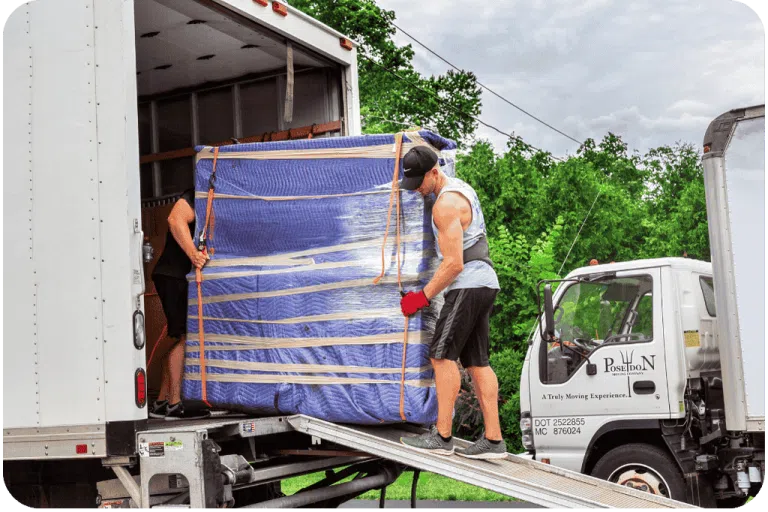
While it’s impossible to prevent all damage, taking proactive steps during the packing and moving process can significantly reduce the risk of issues. Using high-quality packing materials like bubble wrap, sturdy boxes, and furniture blankets helps provide the necessary cushioning to protect fragile items from impact. Labeling boxes clearly with instructions such as “FRAGILE” or “THIS SIDE UP” ensures that movers handle them with care, reducing the chances of breakage. Securing glassware, electronics, and furniture with additional padding can prevent scratches, dents, and shattered items during transit.
Working with a professional full-service moving company can further reduce the risk of damage, as they provide packing services using durable, high-quality packing materials designed to withstand long-distance transportation. However, not all moving companies follow the same standards — some may use cheaper packing materials that are less protective, increasing the chances of breakage.
If you decide to pack your belongings yourself, it’s important to note that movers are not liable for any damage to items you packed, even if you purchased additional valuation coverage or moving insurance. However, regardless of whether you pack your own boxes, professional movers will still disassemble your furniture and wrap it in heavy-duty moving blankets to ensure maximum protection during the move. Checking a moving company’s packing quality, claims policy, and reviews beforehand can help ensure your belongings are properly safeguarded from start to finish.
Protecting Your Move from Start to Finish
Discovering damaged or lost belongings after a move can be stressful, but knowing how to respond quickly and effectively can make all the difference. Taking immediate action, properly documenting damage, and filing a claim with the right evidence ensures the best chance of receiving compensation. Understanding your insurance and valuation options before moving is just as important as choosing a mover that prioritizes damage prevention and customer support.
A successful move isn’t just about getting from point A to point B — it’s about ensuring that your belongings arrive safely and in the same condition as they left. Whether you’re moving locally or cross-country, choosing the right moving company plays a key role in protecting your valuables. If you’re looking for reliable, professional movers who offer top-tier packing services, experienced handling, and customer-first service, Poseidon Moving is here to help. Check out our moving reviews and get a free quote today — because your peace of mind matters.